ERCP vs PTBD for Palliative Biliary Drainage: Which Procedure Is Safer and Why?
Medicine Made Simple
When cancer blocks the bile duct, bile cannot flow normally and jaundice develops. Patients may notice yellow eyes, dark urine, itching, weakness, and dangerous infections. Doctors often recommend palliative biliary stenting to relieve this blockage and improve comfort.
Two common procedures are ERCP and PTBD. ERCP places a stent through the mouth using an endoscope, while PTBD drains bile through the skin using a tube placed from outside the body. Both aim to relieve jaundice, but the right choice depends on the blockage, the patient’s condition, and the overall treatment plan.
Understanding both helps reduce fear and confusion.
Why Biliary Drainage Becomes Necessary
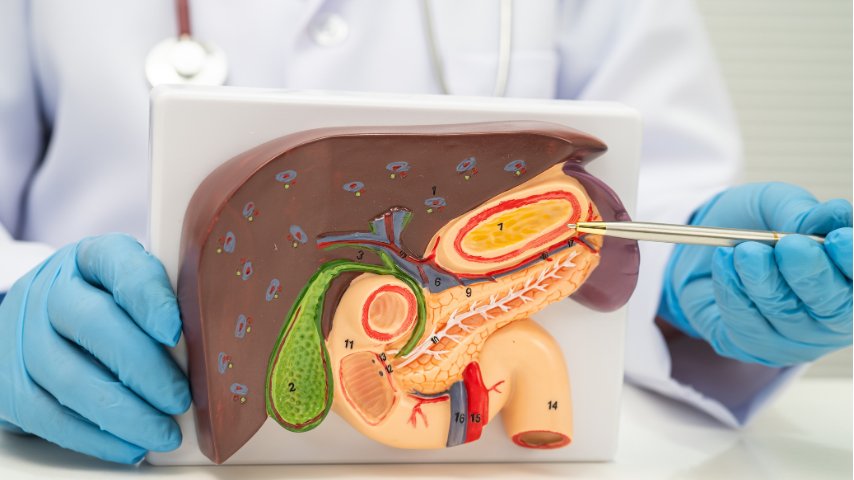
The liver produces bile, which helps digest fats and remove waste products from the body. This bile travels through the bile duct into the small intestine. When the bile duct becomes blocked, bile cannot flow properly and starts building up inside the body.
This commonly happens in:
- Pancreatic cancer
- Bile duct cancer
- Gallbladder cancer
- Liver cancer
- Cancer spreading near the liver or pancreas
When this blockage happens, bilirubin rises and jaundice appears.
Patients may develop:
- Yellow eyes and skin
- Dark urine
- Pale stools
- Severe itching
- Poor appetite
- Weakness
- Fever if infection develops
This is not something that should be ignored. Bile duct blockage can become dangerous quickly and often delays chemotherapy or other cancer treatment.
This is why doctors recommend biliary drainage.
What Is Palliative Biliary Drainage?
Palliative biliary drainage means opening the blocked bile duct so bile can drain again and symptoms improve.
The word “palliative” means the goal is symptom relief, better comfort, and improved quality of life. It does not always mean cancer treatment has stopped.
Relieving jaundice helps by:
- Reducing itching
- Improving appetite
- Preventing infection
- Supporting liver function
- Making chemotherapy safer
- Improving daily comfort
These are some of the important benefits of palliative biliary stenting.
Doctors usually choose between two main procedures:
- ERCP
- PTBD
Patients often hear both names during consultation and feel confused about which one is better.
What Is ERCP?
ERCP stands for Endoscopic Retrograde Cholangiopancreatography.
This is the most common method used for biliary stenting.
During ERCP:
- A flexible tube with a camera is passed through the mouth
- It moves through the stomach into the small intestine
- The doctor finds the opening of the bile duct
- Dye is used to locate the blockage
- A stent is placed inside the bile duct to keep it open
The procedure is usually done under sedation, so the patient is comfortable and does not feel the tube passing.
There is no external drainage bag with ERCP, which many patients prefer.
It is often the first choice when technically possible.
What Is PTBD?
PTBD stands for Percutaneous Transhepatic Biliary Drainage.
This is used when ERCP is not possible or has failed.
During PTBD:
- A needle is inserted through the skin
- Imaging guidance helps the doctor reach the bile duct through the liver
- A drainage tube is placed to allow bile to flow
This drainage may be:
- Internal
- External
- Or both depending on the blockage
Some patients may have a drainage bag outside the body for some time.
Because of this, PTBD can feel more emotionally difficult for patients, even though it is often very effective.
Why ERCP Is Usually Tried First
Doctors usually prefer ERCP first because it is less invasive from the patient’s point of view.
Reasons include:
- No external drainage tube
- More comfortable daily recovery
- Faster return to routine activities
- Easier long-term stent management
- Often better patient acceptance
Patients usually feel more comfortable with the idea of an internal stent rather than an external drain.
However, ERCP is not always possible.
The location of the blockage, previous surgeries, tumor size, and anatomy all affect whether ERCP can be done safely.
When PTBD Becomes the Better Choice
PTBD is often chosen when ERCP cannot safely solve the problem.
This may happen when:
- The blockage is too high in the bile duct
- The tumor changes normal anatomy
- Previous stomach or intestine surgery makes ERCP difficult
- ERCP has already failed
- Severe infection needs urgent drainage
- Endoscopic access is not possible
Patients sometimes worry that needing PTBD means their condition is worse.
Sometimes that is true, but often it simply means PTBD is the safest and most effective option for that specific blockage.
The goal is successful drainage, not just the easier procedure.
Which Procedure Is Safer?
This is one of the biggest patient concerns.
Both ERCP and PTBD are safe when done by experienced specialists, but the “safer” option depends on the individual case.
ERCP is often considered safer when:
- The blockage is reachable endoscopically
- The patient is stable
- No urgent external drainage is needed
- The anatomy is suitable
PTBD may be safer when:
- ERCP is technically difficult
- The blockage is high in the liver ducts
- Severe infection requires fast drainage
- Previous surgery prevents normal endoscopic access
The safest procedure is the one most likely to work well for your specific condition.
Recovery After ERCP
Most patients recover quickly after ERCP.
They may experience:
- Mild throat discomfort
- Temporary bloating
- Mild abdominal heaviness
- Sleepiness from sedation
- Gradual improvement in jaundice symptoms
Patients usually notice:
- Less itching
- Better appetite
- Lighter urine
- Improved energy
- Yellow eyes becoming less obvious over time
There is usually no external tube to manage, which makes home recovery easier for many patients.
However, follow-up is still important because stents can block later.
Recovery After PTBD
Recovery after PTBD is different because patients may have an external drain.
This means patients must learn:
- How to care for the drainage tube
- How to protect the skin around the site
- When to report leakage or infection
- How to manage the drainage bag if present
Patients may initially feel anxious about seeing a tube outside the body.
This emotional adjustment is very common.
Many patients later say they were more afraid of the idea than the actual experience.
PTBD can provide major relief, especially when ERCP was not possible.
Risks of ERCP
Like all procedures, ERCP has possible risks.
These include:
- Pancreatitis (inflammation of the pancreas)
- Infection
- Bleeding
- Stent blockage later
- Perforation in rare cases
- Need for repeat procedures
Most patients recover safely, but doctors monitor carefully after the procedure.
Fever after ERCP should never be ignored.
Risks of PTBD
PTBD also has important risks.
These include:
- Infection
- Bleeding
- Pain around the drain site
- Tube displacement
- Skin irritation
- Leakage around the catheter
- Need for drain replacement
Because PTBD involves an external pathway through the skin and liver, careful follow-up is very important.
Patients should report fever or sudden pain quickly.
Can Chemotherapy Start After Either Procedure?
Yes.
One of the main reasons for biliary drainage is to make chemotherapy safer.
Doctors usually wait for:
- Bilirubin levels to improve
- Liver function to stabilize
- Infection to clear
- Strength and nutrition to improve
Patients often feel frustrated by the delay, but starting chemotherapy with severe jaundice can be dangerous.
Whether drainage is done through ERCP or PTBD, the goal is the same: preparing the body for safer cancer treatment.
Emotional Stress Around Choosing the Right Procedure
Patients often become very anxious when told there are two procedures and one must be chosen.
They may think:
- What if I choose the wrong one?
- Does PTBD mean my cancer is worse?
- Is ERCP always better?
- Will I have to live with an external bag forever?
These fears are normal.
The most important thing is understanding why your doctor recommends one approach over the other.
This is not about choosing the “best” procedure for everyone. It is about choosing the safest and most effective procedure for your case.
When You Should Call Your Doctor Urgently
After ERCP or PTBD, patients should contact their doctor immediately if they have:
- Fever
- Chills
- Severe abdominal pain
- Vomiting
- Yellow eyes becoming worse again
- Dark urine returning
- Drain leakage
- Tube displacement
- Sudden weakness
- Confusion
These may suggest infection, blockage, or drainage failure.
Early treatment prevents serious complications.
Follow-Up Matters More Than Patients Expect
Many patients think the problem is solved once drainage is done.
That is not true.
Doctors need follow-up visits to check:
- Bilirubin improvement
- Liver function
- Infection control
- Drain or stent function
- Readiness for chemotherapy
- Need for repeat procedures
Successful drainage is not just about the first procedure. It is about continued safe recovery.
Conclusion
If you or a loved one has been advised to undergo ERCP or PTBD, remember that the goal is relief, safety, and better quality of life.
Both procedures are designed to reduce jaundice, prevent infection, and help the body prepare for cancer treatment.
Do not focus only on which procedure sounds easier. Focus on which one gives the safest and strongest result for your condition.
Ask questions, understand the reason behind the recommendation, and seek early help if symptoms worsen.
Clear understanding leads to calmer decisions and safer recovery.
References and Sources
Memorial Sloan Kettering Cancer Center – Biliary Stenting and Drainage
Johns Hopkins Medicine – ERCP and Biliary Obstruction
Cancer Research UK – Jaundice and Biliary Drainage in Cancer