ERCP Explained: A Minimally Invasive Solution for Bile Duct Problems

Medicine Made Simple
ERCP is a procedure used to diagnose and treat problems in the bile ducts, gallbladder area, and pancreatic ducts. It combines endoscopy and X-ray imaging to help doctors find blockages, stones, infections, or narrowing in these tubes.
A flexible tube is passed through the mouth into the stomach and small intestine, allowing treatment without major surgery. ERCP is commonly used for jaundice, bile duct stones, and pancreatic duct problems.
It is a minimally invasive procedure that can quickly relieve symptoms and prevent serious complications.
Understanding What ERCP Means
ERCP stands for Endoscopic Retrograde Cholangiopancreatography. The name sounds complex, but the idea behind the procedure is easier to understand when broken down simply.
It is a special procedure used to check and treat problems in the bile ducts and pancreatic ducts. These are small tubes inside the body that carry important digestive fluids.
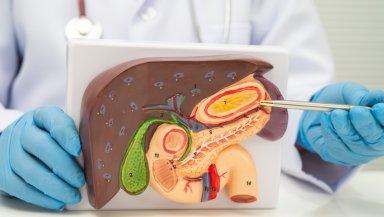
The bile ducts carry bile from the liver and gallbladder to the small intestine. Bile helps digest fats. The pancreatic duct carries digestive enzymes from the pancreas to the intestine to help break down food.
If these ducts become blocked, narrowed, infected, or damaged, it can cause serious symptoms like pain, jaundice, fever, vomiting, and digestion problems.
ERCP helps doctors both identify the problem and treat it during the same procedure, often without the need for open surgery.
This is what makes ERCP different from many other tests.
Why Doctors Recommend ERCP
Doctors usually recommend ERCP when they strongly suspect a blockage or disease affecting the bile ducts or pancreatic ducts.
One of the most common reasons is jaundice. This happens when bile cannot flow properly and builds up in the body, causing yellowing of the eyes and skin.
Gallstones that move into the bile duct are another major reason for ERCP. These stones can block bile flow and cause pain, infection, or swelling.
Doctors may also advise ERCP for repeated pancreatitis, suspected bile duct narrowing, tumors, unexplained abnormal liver tests, bile leakage after surgery, or infections such as cholangitis.
Sometimes scans like ultrasound, CT scan, or MRI show a possible blockage, and ERCP is needed for confirmation and treatment.
Unlike a simple scan, ERCP can solve the problem at the same time by removing stones or placing a stent.
Understanding the Bile Duct Problem
To understand why ERCP is important, it helps to know what happens when bile flow is blocked.
The liver produces bile every day. This bile travels through small tubes called bile ducts and reaches the intestine where it helps digest fats.
If the duct becomes blocked by a stone, swelling, scar tissue, or a tumor, bile cannot flow normally.
This leads to Blocked Bile Duct Symptoms such as yellow skin, dark urine, pale stools, itching, abdominal pain, fever, nausea, and poor digestion.
If left untreated, the blockage can cause serious infection or liver damage.
Pancreatic ducts can also become blocked, leading to repeated pain and inflammation called pancreatitis.
ERCP helps restore normal flow and reduces these risks quickly.
Preparing for an ERCP Procedure
Preparation is important for a safe and successful ERCP.
Patients are usually asked not to eat or drink for at least 6 to 8 hours before the procedure. This keeps the stomach empty and reduces the risk of vomiting during sedation.
Your doctor will review your regular medicines carefully.
Blood thinners, diabetes medicines, insulin, and certain heart medicines may need temporary changes. It is important not to stop medicines without medical advice.
You should also inform your doctor if you have allergies, asthma, heart disease, previous anesthesia problems, or if you are pregnant.
Since sedation is commonly used, you should arrange for someone to take you home after the procedure.
The doctor may also order blood tests before ERCP to check liver function, infection, and blood clotting.
Proper preparation helps reduce complications and improves results.
What Happens on the Day of the Procedure
On the day of ERCP, you will arrive at the hospital or endoscopy center and complete the check-in process.
A nurse will ask about your symptoms, medical history, medicines, and fasting status. Your blood pressure, pulse, and oxygen levels may also be checked.
The doctor will explain the procedure, benefits, and possible risks before asking you to sign a consent form.
You will then change into a hospital gown and be taken to the procedure room.
Most patients receive sedation through a vein in the hand or arm. This helps you feel relaxed and sleepy.
Some people remain lightly awake, while others remember very little afterward.
The goal is to make the procedure comfortable and safe.
Step-by-Step: What Happens During ERCP
You will usually lie on your left side or stomach position depending on the doctor’s approach.
A thin flexible tube called an endoscope is gently passed through the mouth into the food pipe, stomach, and then into the first part of the small intestine called the duodenum.
At this point, the doctor reaches the opening where the bile duct and pancreatic duct empty into the intestine.
A very small tube is passed through the endoscope into this opening.
A special dye is then injected into the ducts, and X-ray images are taken. This helps the doctor clearly see blockages, stones, narrowing, or leaks.
If a stone is found, it can often be removed during the same procedure.
If the duct is narrowed, the doctor may place a small tube called a stent to keep it open, and the choice may involve Metal vs Plastic Biliary Stents depending on the patient’s condition.
Sometimes a small cut called sphincterotomy is made to help improve drainage or remove stones more easily.
A biopsy may also be taken if there is concern about abnormal tissue or tumors.
This makes ERCP both a diagnostic and treatment procedure.
How Long Does ERCP Take
The actual ERCP procedure usually takes around 30 to 60 minutes, depending on the complexity of the problem.
If stone removal, stent placement, or multiple treatments are needed, it may take longer.
However, the total hospital visit may last several hours because of preparation, sedation, and recovery monitoring afterward.
Some patients may go home the same day, while others may stay overnight for observation depending on their condition.
Is ERCP Painful
Most patients worry that ERCP will be painful, but the procedure is usually well tolerated because sedation is given.
You may feel sleepy and relaxed during the procedure and may not remember much afterward.
Since the endoscope passes through the mouth, there may be mild throat discomfort afterward.
Some patients feel temporary bloating because of the air used during the procedure.
If a stent is placed or stone removal is done, there may be mild abdominal discomfort for a short time.
Severe pain is not expected and should always be reported to the doctor.
Most patients describe the experience as uncomfortable rather than painful.
Recovery After ERCP
After the procedure, you will rest in a recovery area while the sedation wears off.
Nurses will monitor your blood pressure, pulse, breathing, and overall condition.
You may feel sleepy, have a mild sore throat, or feel bloated for a few hours. This is normal and usually improves quickly.
Once you are fully awake, the doctor may explain the findings and the treatment done during ERCP.
If a stent was placed or a stone was removed, the doctor will also explain follow-up care.
Eating is usually allowed once the throat numbness and sedation effects reduce.
If sedation was used, you should not drive, drink alcohol, or make important decisions for the rest of the day.
Some patients may be admitted for observation, especially if infection or pancreatitis was present before the procedure.
Possible Risks and Complications
ERCP is very useful, but it carries slightly more risk than a standard endoscopy because treatment is often done during the same procedure.
The most common complication is pancreatitis, which means inflammation of the pancreas after the procedure.
Other possible risks include bleeding, infection, reaction to sedation, perforation of the intestine, or worsening of an existing infection.
Serious complications are uncommon, but they require quick medical attention.
Doctors recommend ERCP only when the expected benefit is much greater than the possible risk.
If you develop severe abdominal pain, fever, vomiting, chest pain, difficulty breathing, or bleeding after going home, you should contact your doctor immediately.
Why ERCP Is Better Than Open Surgery in Many Cases
In the past, many bile duct problems required open surgery.
Today, ERCP offers a much less invasive option for many patients.
Since the procedure is done using an endoscope through the mouth, there is no large cut on the body. This means less pain, faster recovery, shorter hospital stay, and lower risk of major complications.
Patients can often return to normal life much faster compared to surgery.
ERCP is especially helpful for older patients or those with other medical conditions where surgery may carry more risk.
However, not every problem can be treated with ERCP. In some cases, surgery may still be necessary depending on the cause and severity of the blockage.
The doctor chooses the safest and most effective treatment based on the patient’s condition.
When You Should Not Delay Treatment
Many people ignore symptoms like jaundice, repeated abdominal pain, or dark urine, hoping they will improve on their own.
This delay can be dangerous.
A blocked bile duct can quickly lead to serious infection, liver damage, or worsening pancreatitis.
Early diagnosis and treatment prevent these complications.
If your skin or eyes turn yellow, if you have severe upper abdominal pain, fever with chills, pale stools, or repeated vomiting, medical attention should not be delayed.
ERCP can often provide quick relief and prevent a small problem from becoming a medical emergency.
Conclusion
ERCP is an important and highly effective procedure for diagnosing and treating bile duct and pancreatic duct problems.
It helps remove stones, relieve blockages, place stents, and improve bile flow without the need for major surgery in many cases.
Although the name sounds complicated, the procedure itself is commonly performed and often provides fast relief from serious symptoms like jaundice, pain, and infection.
If your doctor recommends ERCP, understanding the process can reduce fear and help you feel more prepared.
Early treatment of bile duct problems can protect your liver, pancreas, and overall digestive health.
If you are experiencing symptoms like yellow eyes, severe abdominal pain, repeated pancreatitis, or abnormal liver test results, speak to your doctor early.
Timely diagnosis and the right treatment can make a major difference in recovery and long-term health.
References and Sources
American Society for Gastrointestinal Endoscopy – ERCP Information
National Institute of Diabetes and Digestive and Kidney Diseases – Digestive Diseases Information