Endoscopic Dilation for GI Strictures: Restoring Comfort and Function
Medicine Made Simple
Endoscopic dilation is a procedure used to widen narrowed areas in the digestive tract called strictures. These narrowings can happen in the food pipe, stomach, intestines, or colon and may cause difficulty swallowing, vomiting, bloating, pain, or trouble passing stool.
During the procedure, doctors use special balloons or dilators passed through an endoscope to gently stretch the narrowed area and improve normal movement of food and digestion as part of advanced gi endoscopy treatment.
It is a minimally invasive treatment that often avoids surgery and helps patients return to more comfortable eating and daily life.
Understanding What a GI Stricture Means
A GI stricture is a narrowing in part of the digestive tract that makes it difficult for food, liquids, or waste to pass normally. GI stands for gastrointestinal, which includes the food pipe, stomach, small intestine, and large intestine.
This narrowing can happen slowly over time and may cause symptoms that gradually become worse. Some people notice difficulty swallowing, while others feel bloating, vomiting, stomach fullness, constipation, or abdominal pain depending on where the narrowing is located.
Strictures are not diseases by themselves. They are usually the result of another condition such as long-term acid reflux, inflammation, ulcers, surgery, radiation treatment, Crohn’s disease, infections, or even tumors.
For example, repeated acid reflux can damage the food pipe and cause scar tissue to form. This scar tissue tightens the passage and creates an esophageal stricture.
In the intestines, long-term inflammation from diseases like Crohn’s disease can cause the bowel wall to become thick and narrow.
When the narrowing becomes significant, normal digestion and daily comfort are affected. This is when treatment like endoscopic dilation may be needed.
Why Doctors Recommend Endoscopic Dilation
Doctors recommend endoscopic dilation when a stricture is causing symptoms and affecting normal function.
If a patient has difficulty swallowing, repeated vomiting, food getting stuck, weight loss, constipation, or abdominal pain caused by narrowing, the goal is to restore a normal passage and improve quality of life through gi procedures for abdominal pain and digestive relief.
Instead of performing major surgery immediately, doctors often try endoscopic dilation first because it is less invasive and recovery is much faster.
This procedure works by gently stretching the narrowed area so food and digestive contents can pass more easily.
It is commonly used for esophageal strictures, narrowing near the stomach outlet, intestinal narrowing, and some colorectal strictures.
In many patients, this treatment provides major symptom relief and may delay or even prevent the need for surgery.
It is especially useful when the narrowing is caused by scar tissue or inflammation rather than a large cancer that needs surgical removal.
Common Causes of GI Strictures
There are several reasons why strictures develop, and understanding the cause helps guide the right treatment.
One of the most common causes of esophageal strictures is long-term acid reflux. Repeated exposure to stomach acid causes irritation and healing with scar tissue, which gradually narrows the food pipe.
Patients who have had radiation therapy for cancers of the chest or neck may also develop narrowing later because of tissue damage.
After surgery in the digestive tract, healing can sometimes create scar tissue and narrowing at the surgical connection point.
Crohn’s disease is another important cause, especially in the small intestine and colon. Long-term inflammation can make the bowel thick and tight.
Some strictures are caused by infections, ulcers, or accidental swallowing of strong chemicals.
Tumors can also narrow the digestive tract, although treatment may be different depending on whether the narrowing is benign or cancer-related.
The doctor must first understand why the stricture is present before planning dilation.
Symptoms That May Suggest a Stricture
The symptoms depend on where the narrowing is located.
If the stricture is in the food pipe, patients often notice difficulty swallowing. At first, only solid foods like rice, bread, or meat may feel stuck. Later, even liquids may become difficult to swallow.
Some people feel chest discomfort, repeated regurgitation, or the sensation that food is stopping midway.
If the narrowing is near the stomach or small intestine, symptoms may include vomiting after meals, bloating, early fullness, abdominal pain, and weight loss.
Strictures in the colon may cause constipation, abdominal swelling, difficulty passing stool, and sometimes pain during bowel movements.
Symptoms often start slowly and worsen over time.
Ignoring these warning signs can lead to poor nutrition, dehydration, and serious complications, so early medical evaluation is important.
How Doctors Diagnose a GI Stricture
Doctors begin by understanding symptoms, medical history, and previous illnesses such as reflux disease, surgery, Crohn’s disease, or cancer treatment.
The next step often includes imaging or endoscopy.
For swallowing problems, an upper GI endoscopy allows the doctor to directly see the food pipe and identify the narrowing. A barium swallow test may also help show how food moves and where the blockage is happening.
For bowel narrowing, colonoscopy or imaging tests like CT scan or MRI may be used depending on the location.
Endoscopy is especially useful because it not only confirms the narrowing but also helps the doctor decide whether endoscopic dilation can be safely performed.
Sometimes a biopsy is needed to make sure the narrowing is not caused by cancer.
Accurate diagnosis is important because not every stricture should be treated the same way.
Preparing for Endoscopic Dilation
Preparation depends on where the dilation will be performed.
If the stricture is in the upper digestive tract, patients are usually asked not to eat or drink for at least 6 to 8 hours before the procedure so the stomach remains empty.
If the lower digestive tract is being treated, bowel preparation similar to colonoscopy may be needed.
Your doctor will carefully review medicines, especially blood thinners, diabetes medicines, insulin, and heart medications. Some may need temporary adjustment to reduce bleeding risk.
Blood tests may also be done to check infection, clotting, and overall health.
It is important to tell your doctor if you have allergies, breathing problems, heart disease, previous surgeries, or difficulty with anesthesia.
Since sedation is commonly used, a family member is often advised to accompany the patient and help after discharge.
Good preparation improves both safety and treatment success.
What Happens on the Day of the Procedure
On the day of endoscopic dilation, the patient arrives at the hospital or endoscopy center and completes the check-in process.
A nurse checks blood pressure, pulse, oxygen levels, and confirms fasting or bowel preparation status.
The doctor explains the procedure, benefits, possible risks, and expected results before taking consent.
The patient then changes into a hospital gown and is taken to the procedure room.
Most patients receive sedation through a vein to help them relax and remain comfortable.
If the procedure is done through the mouth, a throat numbing spray may also be used.
Throughout the procedure, the medical team monitors breathing, heart rate, and blood pressure carefully.
The goal is to keep the patient safe while making the treatment as comfortable as possible.
How Endoscopic Dilation Is Done
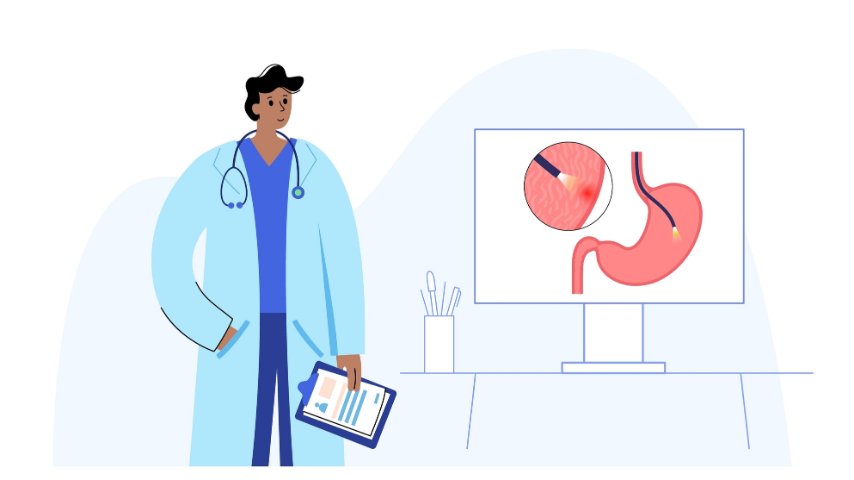
The doctor first performs an endoscopy to clearly locate the narrowed area.
Once the stricture is identified, special tools are passed through the endoscope to gently widen the narrowing.
One common method is balloon dilation. A small deflated balloon is placed inside the narrowed section and then slowly inflated. This stretches the tight area and improves the opening.
Another method uses soft tube-like dilators of increasing size to gradually widen the passage.
The choice depends on the location, length, and cause of the stricture.
The stretching is done carefully to avoid injury while improving function.
Sometimes the doctor may need to repeat the dilation in stages rather than trying to open the area too much in one session.
If there is concern about cancer or inflammation, a biopsy may also be taken.
The procedure usually takes around 20 to 40 minutes depending on complexity.
Is Endoscopic Dilation Painful
Most patients are relieved to know that endoscopic dilation is usually not painful because sedation is used during the procedure.
They may feel sleepy and relaxed, and many remember very little afterward.
There may be some mild pressure during treatment, but significant pain is uncommon.
After the procedure, patients may notice mild throat soreness, bloating, or temporary discomfort depending on the area treated.
If the food pipe was dilated, swallowing may feel slightly sensitive for a short time.
This usually improves within a day or two.
Severe pain is not expected and should always be reported to the doctor.
Recovery After Endoscopic Dilation
After the procedure, the patient rests in a recovery area while the sedation wears off.
Nurses monitor blood pressure, pulse, breathing, and comfort level.
Most patients go home the same day unless observation is needed.
The doctor may advise starting with liquids or soft foods before returning to a normal diet.
If the procedure involved the esophagus, swallowing instructions may be given to avoid irritation during healing.
Patients should avoid driving, alcohol, and important decisions for the rest of the day if sedation was used.
Follow-up is important because some strictures can return, especially if the underlying cause such as reflux or Crohn’s disease continues.
In some cases, repeat dilation sessions may be needed for long-term relief.
Possible Risks and Complications
Endoscopic dilation is generally safe, but like all medical procedures, there are some risks.
The most important risk is perforation, which means a small tear in the wall of the digestive tract. This is uncommon but may require hospital treatment or surgery.
Mild bleeding can also happen, especially if the tissue is fragile or a biopsy is taken.
Infection, reaction to sedation, or temporary worsening of pain are less common possibilities.
Doctors recommend dilation only when the expected benefit is much greater than the risk.
Careful technique and proper follow-up help keep complications low.
If severe chest pain, fever, vomiting, bleeding, or difficulty breathing happens after going home, immediate medical attention is necessary.
Why Treating the Underlying Cause Matters
Dilation improves the opening, but long-term success depends on treating the reason the stricture developed.
If acid reflux caused the narrowing, strong reflux control with medicines and lifestyle changes is important to prevent it from returning.
If Crohn’s disease is responsible, proper medical treatment for inflammation must continue.
If surgery or radiation caused the narrowing, follow-up helps detect repeated tightening early.
When tumors are involved, cancer treatment becomes the main focus.
Without treating the root cause, the stricture may return even after successful dilation.
This is why endoscopic dilation is often part of a larger treatment plan rather than a complete solution by itself.
Conclusion
Endoscopic dilation is a valuable and minimally invasive treatment for GI strictures that helps restore normal swallowing, digestion, and daily comfort.
By gently widening narrowed areas in the digestive tract, it improves the passage of food and reduces symptoms like difficulty swallowing, vomiting, bloating, and bowel obstruction.
For many patients, it provides fast relief without the need for major surgery and helps improve nutrition and quality of life.
If your doctor recommends endoscopic dilation, it is usually because the narrowing is affecting your health and needs timely treatment.
Understanding the procedure helps reduce fear and makes recovery easier.
Early treatment and proper follow-up can prevent complications and help patients return to a more comfortable and confident daily life.
References and Sources
American Society for Gastrointestinal Endoscopy – Endoscopic Dilation Information
National Institute of Diabetes and Digestive and Kidney Diseases – Digestive Disorders Information