Why Is Palliative Biliary Stenting Needed? Understanding Jaundice Relief in Cancer Patients

Medicine Made Simple
Palliative biliary stenting is a procedure used to relieve blockage in the bile duct, usually caused by cancers like pancreatic cancer, bile duct cancer, gallbladder cancer, or liver tumors. When the bile duct gets blocked, bile cannot flow normally, leading to jaundice, itching, dark urine, weakness, and serious infections. These are common Blocked Bile Duct Symptoms that often need urgent medical attention.
A stent is a small tube placed inside the bile duct to keep it open and allow bile to drain again. This helps reduce symptoms, improves comfort, supports nutrition, and often allows chemotherapy to begin safely. It improves quality of life, even when cancer cannot be fully cured.
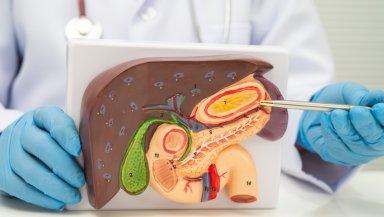
Understanding the Bile Duct and Why It Matters
To understand biliary stenting, it helps to first understand what the bile duct does.
The liver produces a fluid called bile. Bile helps the body digest fats and remove waste products. This bile travels from the liver through small tubes into the main bile duct and then reaches the small intestine, where it helps digestion.
The gallbladder stores bile and releases it when needed, especially after eating fatty food.
The bile duct is like a drainage pipe. When it is open, bile flows smoothly. When it gets blocked, bile builds up inside the body instead of reaching the intestine.
This blockage creates serious symptoms and can make the patient feel very unwell.
That is where biliary stenting becomes important.
What Causes Bile Duct Blockage in Cancer Patients?
In many cancer patients, the bile duct becomes blocked because a tumor presses on it or grows inside it.
This commonly happens in:
- Pancreatic cancer
- Bile duct cancer (cholangiocarcinoma)
- Gallbladder cancer
- Liver cancer
- Metastatic cancers near the liver or pancreas
For example, the head of the pancreas sits very close to the bile duct. If a pancreatic tumor grows there, it can squeeze the bile duct and stop bile from flowing.
Even if the cancer itself is not causing pain, bile duct blockage can quickly create major problems.
This is often why patients first come to the hospital.
What Is Jaundice and Why Does It Happen?
Jaundice is one of the most common signs of bile duct blockage.
It happens when bilirubin builds up in the blood. Bilirubin is a yellow waste product normally removed through bile.
When the bile duct is blocked, bilirubin cannot leave the body properly, so it starts collecting in the blood and tissues.
This causes:
- Yellowing of the eyes
- Yellow skin
- Dark urine
- Pale stools
- Severe itching
- Loss of appetite
- Nausea
- Weakness and tiredness
Many patients notice yellow eyes first and think it is a liver problem. Often, the real issue is a blocked bile duct caused by cancer.
Jaundice is not just a cosmetic issue. It can become dangerous if ignored.
Why Jaundice Must Be Treated Quickly
Patients often ask why doctors focus so much on jaundice before starting cancer treatment.
The reason is simple: severe jaundice makes the whole body weaker and increases the risk of serious complications.
Blocked bile flow can cause:
- Infection inside the bile ducts (cholangitis)
- Liver function problems
- Poor digestion and weight loss
- Extreme weakness
- Delay in chemotherapy
- Higher surgical risk
- Poor quality of life
Doctors often cannot safely start chemotherapy until bilirubin levels improve.
This is why biliary stenting is often done before cancer treatment begins.
It is not delaying treatment. It is making treatment possible.
What Is Palliative Biliary Stenting?
Palliative biliary stenting is a procedure used to open the blocked bile duct and allow bile to drain again.
The word “palliative” means the goal is symptom relief and better quality of life, not necessarily complete cure of cancer.
A stent is a small tube placed inside the blocked bile duct. It keeps the passage open so bile can flow normally again.
This helps reduce jaundice, itching, infection risk, and weakness.
The procedure does not remove the cancer itself, but it helps the patient feel better and often makes other treatments possible.
This is why it is considered one of the most important supportive procedures in advanced cancer care.
How Is the Stent Placed?
The most common way to place a biliary stent is through a procedure called ERCP, which stands for Endoscopic Retrograde Cholangiopancreatography.
During ERCP:
- A flexible tube with a camera is passed through the mouth
- It goes through the stomach into the small intestine
- The doctor finds the opening of the bile duct
- A dye is used to identify the blockage
- A stent is placed to keep the duct open
This is usually done under sedation, so patients are relaxed and more comfortable.
Sometimes ERCP is not possible because of the location of the blockage or previous surgery. In such cases, doctors may use another method called PTBD, where drainage is done through the skin using imaging guidance.
Both methods aim to restore bile flow.
Does Jaundice Improve Immediately?
Many patients expect jaundice to disappear the next day.
Sometimes improvement starts quickly, but often it takes several days or even a few weeks for bilirubin levels to come down properly.
Patients may notice:
- Eyes becoming less yellow
- Urine becoming lighter
- Less itching
- Better appetite
- Improved energy levels
- Reduced nausea
Improvement depends on:
- How severe the blockage was
- Liver condition before treatment
- Whether infection was present
- How long jaundice existed before stenting
Patience is important. The goal is gradual improvement, not instant results.
Metal vs Plastic Stents: What Is the Difference?
Patients often hear doctors discuss metal and plastic stents and feel confused.
Both are used to keep the bile duct open, but they serve different purposes.
Plastic stents are:
- Less expensive
- Easier to replace
- Often used when short-term drainage is needed
- More likely to block sooner
Metal stents are:
- Wider and last longer
- Better for long-term palliative care
- Less likely to block quickly
- More expensive initially
Understanding Metal vs Plastic Biliary Stents helps patients better understand why different stent choices are made in different stages of cancer care.
Doctors choose based on the patient’s cancer stage, treatment plan, and expected duration of stent use.
This decision is medical, not simply financial.
Can Chemotherapy Start After Biliary Stenting?
This is one of the most common questions patients ask.
Yes, in many cases chemotherapy can begin after successful biliary stenting, but doctors usually wait until bilirubin levels improve and infection risk is controlled.
They check:
- Liver function tests
- Bilirubin levels
- Signs of infection
- Nutrition status
- General strength and recovery
Starting chemotherapy too early when jaundice is severe can be dangerous.
Patients often feel frustrated by the wait, but the body needs time to become strong enough for cancer treatment.
The stent is often the first step toward safe chemotherapy.
What Happens If the Stent Gets Blocked Again?
Sometimes biliary stents can become blocked again, especially after weeks or months.
This may happen because:
- Tumor growth continues
- Sludge builds inside the stent
- Infection develops
- The stent shifts position
Warning signs include:
- Jaundice returning
- Fever
- Chills
- Dark urine again
- Severe itching
- New weakness
- Abdominal pain
Patients should not ignore these signs.
A blocked stent often needs another ERCP or drainage procedure.
Repeat procedures are common and do not always mean treatment has failed.
Is Palliative Biliary Stenting Worth It?
Many families ask this difficult question, especially in advanced cancer.
The answer depends on the patient’s symptoms, stage of cancer, and overall goals of care.
In many cases, stenting is worth it because it:
- Relieves distressing jaundice
- Reduces dangerous infections
- Improves appetite and comfort
- Allows chemotherapy to begin
- Helps patients spend better-quality time with family
Even when cancer cannot be cured, comfort matters.
Palliative care is not giving up. It is choosing better quality of life.
This procedure often provides meaningful relief.
Emotional Stress Around the Word “Palliative”
Many patients feel afraid when they hear the word “palliative.”
They think it means there is no hope left.
That is not always true.
Palliative treatment means improving comfort, reducing suffering, and helping the patient live better during treatment.
A patient can receive palliative stenting and still receive chemotherapy, surgery planning, or cancer treatment.
The goal is support.
Doctors use palliative procedures to help patients feel stronger, not weaker.
Understanding this reduces fear and helps families make calmer decisions.
When You Should Seek Urgent Medical Help
Some symptoms after biliary stenting need urgent attention.
You should contact your doctor immediately if you have:
- Fever
- Chills
- Severe abdominal pain
- Vomiting
- Yellow eyes becoming worse again
- Dark urine returning
- Severe weakness
- Confusion
- Difficulty eating
- Sudden worsening after initial improvement
These may suggest infection or stent blockage.
Early treatment prevents serious complications.
Waiting too long can make recovery much harder.
Life After Biliary Stenting
Most patients feel anxious before the procedure because they do not know what life will be like afterward.
In many cases, patients feel better once jaundice improves.
They may notice:
- Better appetite
- Less itching
- Improved sleep
- Better strength
- More comfort during daily activities
- Improved readiness for chemotherapy
Recovery is not always immediate, but symptom relief often makes a major difference.
Patients often say they did not realize how much jaundice was affecting them until it improved.
Many families prepare hepatobiliary IR questions before follow-up visits so they can better understand future stent care and possible repeat procedures.
Conclusion
If you or a loved one has been advised to undergo palliative biliary stenting, understanding the reason behind it can reduce fear and improve confidence.
This procedure is not just about placing a tube. It is about relieving jaundice, preventing infection, improving strength, and helping the body prepare for the next step in treatment.
Ask questions, understand your options, and seek early medical attention if jaundice symptoms appear.
Relief from jaundice can greatly improve comfort, recovery, and quality of life.
References and Sources
Memorial Sloan Kettering Cancer Center – Biliary Stenting and Cancer Care
Johns Hopkins Medicine – ERCP and Biliary Obstruction
Cancer Research UK – Jaundice and Bile Duct Blockage in Cancer
American Cancer Society – Bile Duct Blockage and Palliative Care