Why Did My Biliary Stent Fail? Common Reasons for Repeat Procedures and Blockage

Medicine Made Simple
Biliary stenting helps relieve bile duct blockage caused by cancers like pancreatic cancer, bile duct cancer, gallbladder cancer, and liver tumors. It reduces jaundice, itching, weakness, and infection risk by allowing bile to drain normally again. Many patients feel better after stent placement, but sometimes symptoms return because the stent becomes blocked or stops working properly. This can be frightening and frustrating, especially when another procedure is needed. In most cases, stent blockage does not mean treatment has failed. Understanding why biliary stents fail helps patients act early, avoid complications, and recover more safely.
Why a Biliary Stent Was Needed
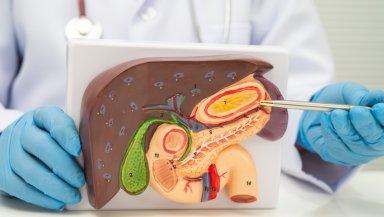
The liver produces bile, which helps digest fats and remove waste products from the body. This bile travels through the bile duct into the small intestine. When the bile duct becomes blocked, bile cannot flow properly and starts building up inside the body.
This is common in cancers such as:
- Pancreatic cancer
- Bile duct cancer
- Gallbladder cancer
- Liver cancer
- Cancer spreading near the liver or pancreas
This blockage causes jaundice, dark urine, pale stools, itching, weakness, poor appetite, and sometimes serious infection. These are common Blocked Bile Duct Symptoms that should never be ignored.
A biliary stent is a small tube placed inside the bile duct to keep it open and restore bile flow.
The goal is to improve comfort, reduce infection risk, and often make chemotherapy possible.
Why Patients Feel Scared When Symptoms Return
After stent placement, many patients expect the problem to be solved permanently.
So when yellow eyes return, itching comes back, or fever develops again, fear becomes immediate.
Patients often think:
- Did the procedure fail?
- Is the cancer suddenly worse?
- Do I need emergency surgery?
- Why am I becoming jaundiced again?
These fears are understandable.
The important thing to know is that stent blockage is common, especially in long-term cancer care. It does not always mean the cancer has suddenly become much worse.
Sometimes the stent simply needs cleaning, replacement, or another drainage procedure.
What Does “Biliary Stent Failure” Actually Mean?
When doctors say a stent has failed, they usually mean the bile is not draining properly anymore.
This may happen because:
- The stent is blocked
- The stent has moved
- Infection has developed
- Tumor growth is pressing again
- Sludge or debris has collected inside the stent
The stent itself is still physically there, but it is no longer working effectively.
This is often called:
- Stent blockage
- Stent obstruction
- Stent dysfunction
- Recurrent biliary obstruction
Patients usually notice symptoms before hearing these medical terms.
The Most Common Reason: Stent Blockage
This is the most frequent reason for repeat procedures.
Bile is thick and contains waste products. Over time, sludge, bacteria, or debris can collect inside the stent and reduce drainage.
This is more common in plastic stents because they are narrower.
Metal stents are wider and usually last longer, but they can also become blocked.
Blockage may happen gradually or suddenly.
Patients often say they were feeling better for weeks, then suddenly symptoms returned.
This is a classic pattern.
Tumor Growth Can Cause Re-Blockage
Even if the stent works well at first, the cancer itself may continue growing.
As the tumor grows, it can:
- Press harder on the bile duct
- Grow into the stent area
- Narrow the drainage pathway again
- Make bile flow slower
This is common in advanced pancreatic cancer and bile duct cancer.
Patients often worry this means treatment is failing completely.
In reality, this is part of how cancer behaves, and doctors often plan for the possibility of Repeat Biliary Stenting.
A second procedure is common and often expected.
Infection Can Make the Situation Worse
When bile cannot drain properly, infection inside the bile ducts can develop. This is called cholangitis.
This is one of the most serious complications after biliary stenting.
Warning signs include:
- Fever
- Chills
- Severe weakness
- Vomiting
- Abdominal pain
- Confusion
- Worsening jaundice
This is not something to watch at home.
Cholangitis can become dangerous very quickly and needs urgent medical care.
Many patients first discover their stent is blocked because fever appears before jaundice becomes obvious again.
Stent Movement or Position Problems
Sometimes the stent moves slightly from where it was originally placed.
This is called stent migration.
If the stent shifts position, bile may stop draining properly or symptoms may return.
This is less common than blockage, but it can happen.
Doctors may detect this through:
- Symptoms returning
- Imaging tests
- Repeat ERCP examination
Patients usually cannot feel the stent moving, but they notice the symptoms caused by poor drainage.
Signs Your Biliary Stent May Be Blocked Again
Patients should know the warning signs early.
The most common signs include:
- Yellow eyes returning
- Dark urine again
- Pale stools
- Severe itching
- Fever
- Chills
- Loss of appetite
- Sudden weakness
- Abdominal pain
- Vomiting
- Feeling worse instead of better
Many patients say, “I just knew something felt wrong.”
That feeling matters.
Recovery should move forward gradually. Sudden worsening should always be checked.
Does Repeat ERCP Mean Something Went Wrong?
No.
This is one of the biggest misunderstandings patients have.
Many people think needing another ERCP means the first procedure failed.
That is not always true.
Repeat ERCP is often a normal part of long-term care, especially in advanced cancer.
Doctors may need to:
- Replace a blocked stent
- Clean the existing stent
- Add another stent
- Improve drainage
- Treat infection
- Reassess the bile duct narrowing
This is often expected, not unexpected failure.
Patients should not feel discouraged by repeat procedures.
Metal vs Plastic Stents and Blockage Risk
The type of stent matters.
Plastic stents:
- Cost less initially
- Are easier to replace
- Usually block sooner
- Often need planned replacement earlier
Metal stents:
- Last longer
- Have better long-term drainage
- Block less quickly
- Are often preferred for palliative care
Patients sometimes feel upset when they hear the stent needs replacement, but this often reflects the normal behavior of plastic stents rather than a serious new problem.
Understanding the stent type helps reduce unnecessary fear.
Can You Prevent Stent Blockage?
Not completely.
Doctors use the best technique possible, but no stent lasts forever.
The risk depends on:
- Type of cancer
- Tumor growth speed
- Type of stent used
- Infection risk
- Bile thickness
- Overall health
Patients often ask if they caused the blockage by eating the wrong food or moving too much.
Usually, the answer is no.
Stent blockage is a medical issue, not something caused by normal daily life.
The best prevention is early follow-up and paying attention to symptoms.
Emotional Stress of Repeat Procedures
Repeat procedures create emotional exhaustion.
Patients may feel:
- Frustration from repeated hospital visits
- Fear that cancer is worsening fast
- Anxiety about another ERCP
- Stress about delayed chemotherapy
- Financial pressure
- Family worry and exhaustion
This emotional side is very real.
Patients often feel stronger when doctors explain clearly that repeat stenting is common and manageable.
Understanding reduces panic.
Fear often grows most when patients feel uninformed.
Does Chemotherapy Get Delayed?
Sometimes yes.
If jaundice returns or infection develops, chemotherapy may need to pause until bile drainage improves again.
Doctors usually check:
- Bilirubin levels
- Liver function
- Signs of infection
- Overall strength
- Nutrition status
Patients often feel frustrated because they want cancer treatment to continue without interruption.
But chemotherapy during severe jaundice or infection can be dangerous.
Safe treatment always comes first.
When You Should Call Your Doctor Immediately
Some symptoms should never be ignored.
You should contact your doctor urgently if you have:
- Fever
- Chills
- Yellow eyes becoming worse again
- Dark urine returning
- Severe itching
- Vomiting
- Abdominal pain
- Sudden weakness
- Confusion
- Rapid decline in eating or strength
These may suggest stent blockage or infection.
Early treatment prevents dangerous complications.
Waiting too long can turn a manageable problem into an emergency.
Follow-Up Visits Matter More Than Patients Realize
Many patients think once the stent is placed, the problem is finished.
That is not true.
Doctors use follow-up visits to check:
- Bilirubin improvement
- Liver function tests
- Signs of infection
- Stent function
- Readiness for chemotherapy
- Need for repeat procedures
- Nutrition recovery
These visits are a major part of safe treatment.
Skipping follow-up can delay important care.
Conclusion
If your jaundice returns after biliary stenting, do not assume the worst—but do not ignore it either.
Stent blockage is common and often treatable. Early recognition of symptoms like fever, dark urine, itching, or worsening weakness can prevent serious complications.
Repeat ERCP does not always mean failure. It often means maintenance and safe cancer care.
Stay alert, attend follow-up visits, and contact your doctor early when symptoms change.
Better awareness leads to safer recovery and better quality of life.
References and Sources
Memorial Sloan Kettering Cancer Center – Biliary Stenting and Cancer Care
Johns Hopkins Medicine – ERCP and Biliary Drainage
Cancer Research UK – Jaundice and Biliary Obstruction
American Cancer Society – Biliary Obstruction and Supportive Care