Is Palliative Biliary Stenting Worth It? Real Patient Stories About Comfort, Relief, and Quality of Life

Medicine Made Simple
When cancer blocks the bile duct, patients often develop jaundice, severe itching, weakness, dark urine, poor appetite, and dangerous infections. Doctors may recommend palliative biliary stenting to open the blocked duct and improve bile flow.
Many families then ask an emotional question: is this procedure really worth it? They worry about another hospital visit, repeat procedures, and whether it will truly improve comfort.
In many cases, biliary stenting brings major relief, helps patients eat better, reduces infection risk, and allows chemotherapy to begin. Understanding real patient experiences helps families make calmer and more confident decisions.
Why This Question Feels So Difficult
When families hear the word “palliative,” the conversation becomes emotional very quickly.
Patients often think:
- Does this mean treatment is ending?
- Is this procedure only temporary?
- Will it really help or just add more suffering?
- Is it worth another hospital procedure?
- Are we helping or simply delaying the inevitable?
These are not simple medical questions. They are deeply personal decisions.
Palliative biliary stenting is not only about placing a tube inside the bile duct. It is about comfort, dignity, symptom relief, and helping patients feel stronger during a difficult stage of illness.
This is why families often struggle with the decision.
Why Biliary Stenting Is Needed in the First Place
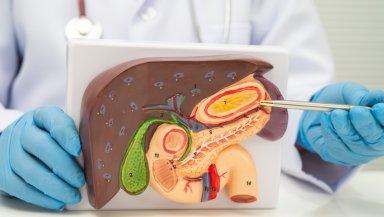
The liver produces bile, which helps digest food and remove waste products from the body. This bile travels through the bile duct into the intestine.
When cancer blocks the bile duct, bile cannot drain properly. It builds up inside the body and causes jaundice.
This commonly happens in:
- Pancreatic cancer
- Bile duct cancer
- Gallbladder cancer
- Liver cancer
- Cancer spreading near the liver or pancreas
Patients may develop:
- Yellow eyes and skin
- Dark urine
- Pale stools
- Severe itching
- Poor appetite
- Extreme tiredness
- Fever if infection develops
- Dangerous bile duct infection called cholangitis
Many patients feel worse from the jaundice than from the cancer itself.
This is why relieving the blockage matters.
What Palliative Biliary Stenting Actually Does
Palliative biliary stenting places a small tube called a stent inside the blocked bile duct so bile can flow again.
This is usually done through ERCP, where a flexible camera passes through the mouth into the intestine. Sometimes PTBD is used if ERCP is not possible.
The procedure does not remove the cancer.
Its purpose is to:
- Reduce jaundice
- Relieve itching
- Improve appetite
- Prevent infection
- Improve liver function
- Support chemotherapy planning
- Improve day-to-day comfort
This is why many doctors see biliary stenting as one of the most important supportive treatments in advanced cancer care.
What Patients Often Say Before the Procedure
Many patients are more afraid before the stenting than after it.
They often say:
- I am scared of another procedure
- I do not want more hospital visits
- I already feel too weak
- What if it does not help?
- I do not want to suffer more for little benefit
These fears are understandable.
Many people imagine a painful and complicated experience, especially after hearing the word “stent.”
In reality, many patients later say the emotional stress before the procedure was worse than the procedure itself.
Fear often comes from not knowing what to expect.
What Patients Often Say After the Procedure
Many patients notice relief gradually, not instantly.
Common feedback includes:
- My itching became much less
- I could finally sleep better
- Food started tasting normal again
- I had more energy to walk and talk
- My urine became lighter
- My yellow eyes slowly improved
- I felt more like myself again
These changes may sound small, but for patients living with severe jaundice, they can feel life-changing.
Families often realize how much the blockage was affecting the patient only after symptoms start improving.
Comfort matters.
Is Relief Always Immediate?
No.
This is important to understand.
Patients often expect jaundice to disappear the next day. Sometimes improvement starts quickly, but usually it happens over several days or even weeks.
The speed depends on:
- How severe the blockage was
- Bilirubin levels before treatment
- Whether infection was present
- Liver condition before the procedure
- Overall health of the patient
Patients with very high bilirubin may need more time before they feel stronger.
Slow improvement does not mean the procedure failed.
Patience is a part of recovery after biliary stent placement.
When Families Feel the Procedure Was Worth It
Families usually say the procedure was worth it when they see clear improvement in comfort and quality of life.
This often includes:
- Better eating
- Less itching
- Reduced pain from infection
- Improved sleep
- More energy for daily activities
- Ability to continue chemotherapy
- More meaningful time with family
Even when cancer cannot be cured, being able to eat, rest, and feel less uncomfortable matters deeply.
Sometimes the goal is not longer life. Sometimes the goal is better life.
That is still very valuable.
When Families Feel Unsure or Regretful
Not every experience feels positive.
Some families feel disappointed when:
- The stent blocks again quickly
- Repeat procedures are needed
- Infection develops
- Recovery feels slower than expected
- The patient is too weak for chemotherapy even after stenting
- Cancer continues progressing rapidly
This creates difficult emotions.
Families may wonder if the procedure caused more stress than relief.
Often, the real issue is not the stent itself but the severity of the cancer.
This is why honest expectations are so important before treatment.
Repeat Procedures Can Feel Emotionally Exhausting
One of the hardest parts for families is learning that stents may need replacement.
Patients often think the first stent should solve the problem permanently.
But stents can block again because:
- Tumor growth continues
- Sludge builds inside the stent
- Infection develops
- The stent shifts position
This may require:
- Repeat ERCP
- Another stent
- Drain replacement
- Hospital readmission
This can feel frustrating and emotionally draining.
But Repeat Biliary Stenting procedures are common and do not always mean failure.
They are often part of long-term management.
Can It Help Chemotherapy Start?
Yes, and this is one of the biggest reasons stenting matters.
Doctors often cannot safely start chemotherapy when bilirubin is very high.
Blocked bile flow causes:
- Poor liver function
- Higher infection risk
- Weakness
- Poor nutrition
- Unsafe chemotherapy side effects
By improving drainage, stenting often helps:
- Lower bilirubin
- Improve strength
- Stabilize liver function
- Make chemotherapy safer
For many patients, the stent is the first step toward active cancer treatment.
It is not separate from treatment. It is part of treatment.
Quality of Life Matters More Than People Expect
Patients and families often focus only on survival.
But quality of life becomes just as important.
Questions patients ask include:
- Can I eat without nausea?
- Can I sleep without itching?
- Can I sit with family without exhaustion?
- Can I avoid repeated emergency hospital visits?
- Can I feel like myself again for some time?
These questions matter.
Sometimes a procedure is worth it because it brings dignity and comfort, even if it does not cure disease.
That is the true meaning of palliative care.
Emotional Stress Around the Word “Palliative”
Many patients hear “palliative” and immediately think there is no hope left.
That is not always true.
Palliative care means improving comfort, reducing suffering, and supporting the patient through treatment.
A patient can receive palliative biliary stenting and still:
- Receive chemotherapy
- Continue cancer treatment
- Plan surgery if possible
- Improve strength for future treatment
Palliative does not mean giving up.
It means treating symptoms seriously.
Understanding this changes how families make decisions.
Questions Families Should Ask Before Deciding
Helpful questions include:
- What improvement should we realistically expect?
- Is this mainly for comfort or also for chemotherapy planning?
- Will repeat procedures likely be needed?
- What happens if we choose not to do the stent?
- Is ERCP or PTBD better in this case?
- How will infection risk change after drainage?
- How urgent is this procedure?
Clear answers reduce regret later.
Good decisions come from understanding, not fear.
When You Should Seek Urgent Medical Help
Even after successful stenting, patients should call the doctor immediately if they develop:
- Fever
- Chills
- Yellow eyes becoming worse again
- Dark urine returning
- Severe itching
- Vomiting
- Sudden weakness
- Abdominal pain
- Confusion
- Rapid decline in eating or strength
These may suggest stent blockage or infection.
Early treatment prevents bigger complications.
Conclusion
If you or a loved one is deciding about palliative biliary stenting, remember that the goal is not just a procedure, it is relief, comfort, and better quality of life.
For many patients, reducing jaundice, preventing infection, improving appetite, and making chemotherapy possible creates meaningful improvement in daily life.
Ask honest questions, understand realistic expectations, and focus on what matters most for the patient’s comfort and dignity.
Sometimes the most important treatment is the one that helps someone feel better, not just live longer.
References and Sources
Memorial Sloan Kettering Cancer Center – Biliary Stenting and Cancer Care
Johns Hopkins Medicine – ERCP and Biliary Drainage
Cancer Research UK – Jaundice and Palliative Biliary Drainage