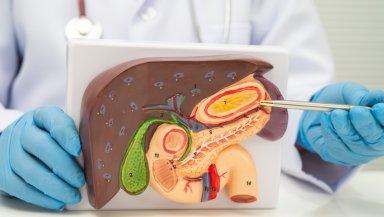
Can You Start Chemotherapy After Biliary Stenting? What Doctors Check First
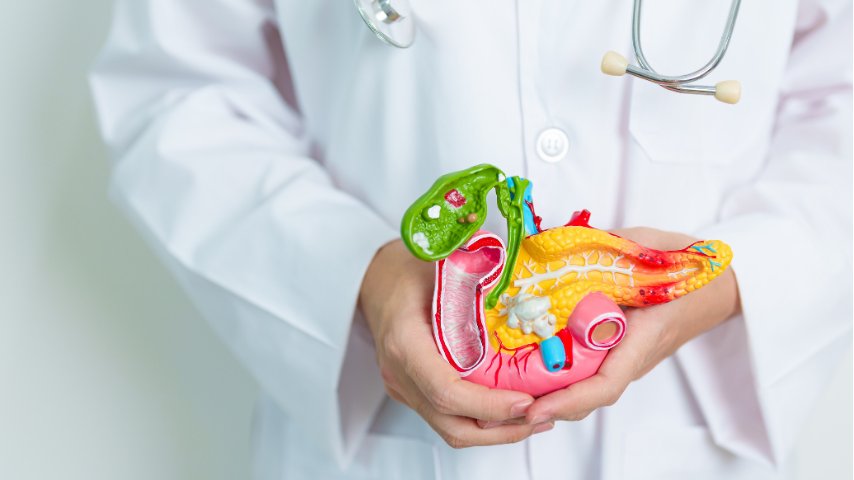
Medicine Made Simple
Many cancer patients with pancreatic cancer, bile duct cancer, gallbladder cancer, or liver tumors develop jaundice because the bile duct becomes blocked. Doctors often place a biliary stent first to relieve the blockage and reduce bilirubin levels before starting chemotherapy.
Patients and families often feel anxious when chemotherapy is delayed and wonder why cancer treatment cannot begin immediately. The reason is that severe jaundice makes chemotherapy dangerous. Doctors must first ensure the liver is working better, infection is controlled, and the body is strong enough for treatment.
Understanding this process helps patients feel calmer and more prepared.
Why Biliary Stenting Happens Before Chemotherapy
The liver produces bile, which helps digest food and remove waste products from the body. This bile travels through the bile duct into the intestine.
When cancer blocks the bile duct, bile cannot flow normally, and bilirubin builds up in the blood.
This causes jaundice and other Blocked Bile Duct Symptoms
Patients may notice:
- Yellow eyes and skin
- Dark urine
- Pale stools
- Severe itching
- Poor appetite
- Weakness
- Fever if infection develops
This blockage is common in:
- Pancreatic cancer
- Bile duct cancer
- Gallbladder cancer
- Liver cancer
- Cancer spreading near the liver or pancreas
Doctors often recommend palliative biliary stenting first because chemotherapy is much harder and more dangerous when the body is already struggling with severe jaundice.
The stent helps open the blocked bile duct so bile can drain again.
Why Doctors Do Not Start Chemotherapy Immediately
This is one of the most common and frustrating questions patients ask.
They often say, “If I have cancer, why are we waiting?”
The answer is that chemotherapy affects the whole body, especially the liver. If bilirubin is very high and the liver is not working properly, chemotherapy can become unsafe.
Problems include:
- Higher risk of severe side effects
- Poor drug breakdown inside the body
- Increased infection risk
- Greater weakness and poor recovery
- Unsafe liver stress
- Higher chance of treatment complications
Doctors are not delaying treatment without reason. They are making treatment safer.
Starting chemotherapy too early can cause more harm than benefit.
What Is Bilirubin and Why Does It Matter?
Bilirubin is a yellow waste product that the body normally removes through bile.
When the bile duct is blocked, bilirubin cannot leave the body properly, so it builds up in the blood and causes jaundice.
Doctors closely monitor bilirubin levels because they show how severe the blockage is and how well the liver is functioning.
High bilirubin means:
- The bile duct may still be blocked
- The liver is under stress
- Chemotherapy may be unsafe
Patients often focus on the yellow eyes, but doctors focus on the bilirubin number because it helps guide treatment decisions.
Lower bilirubin usually means the body is becoming safer for chemotherapy.
How Biliary Stenting Helps Prepare for Chemotherapy
Biliary stenting improves drainage by placing a small tube called a stent inside the blocked bile duct.
This is usually done through a procedure called ERCP, or sometimes PTBD if ERCP is not possible.
The stent helps by:
- Reducing bilirubin levels
- Improving liver function
- Reducing infection risk
- Improving appetite
- Reducing itching
- Improving strength and energy
- Making chemotherapy safer to tolerate
For many patients, stenting is not separate from cancer treatment. It is actually the first step of cancer treatment.
Without safe drainage, chemotherapy may not be possible.
Does Jaundice Improve Immediately?
Patients often expect jaundice to disappear the next day.
Sometimes improvement starts quickly, but often bilirubin takes several days or even a few weeks to improve properly.
Patients may notice:
- Lighter urine first
- Less itching
- Better appetite
- Improved energy
- Yellow eyes becoming less obvious later
Improvement depends on:
- How severe the blockage was
- Whether infection was present
- How long jaundice existed before stenting
- The health of the liver before treatment
Slow improvement does not always mean the stent failed.
Patience is important during this stage.
What Doctors Check Before Starting Chemotherapy
Doctors look at more than just whether the stent was placed successfully.
They usually check:
- Bilirubin levels
- Liver function tests
- Signs of infection
- Fever history
- Appetite and nutrition
- Weight loss
- Energy and strength
- Kidney function
- Overall recovery after biliary stent placement
The patient may feel emotionally ready for chemotherapy, but the body must also be medically ready.
This is why blood tests and follow-up visits matter so much.
Is There a Specific Bilirubin Level Needed?
Patients often ask for an exact bilirubin number before chemotherapy can begin.
There is no single universal number because it depends on:
- Type of cancer
- Type of chemotherapy planned
- Overall liver function
- Infection history
- Doctor judgment
- Hospital treatment protocols
In general, doctors want bilirubin to improve significantly and liver function to be stable before treatment starts.
Sometimes chemotherapy begins with modified doses if bilirubin is improving but not yet fully normal.
This decision is individualized.
Patients should not compare their bilirubin numbers too much with others.
What If Fever Happens After Stenting?
Fever after biliary stenting is taken very seriously.
Doctors worry about infection inside the bile ducts, called cholangitis.
This may happen if:
- The stent gets blocked
- Infection was already present
- Bile is still not draining well
Warning signs include:
- Fever
- Chills
- Vomiting
- Severe weakness
- Abdominal pain
- Worsening jaundice
- Confusion
If infection is present, chemotherapy must usually wait until it is treated safely.
Treating infection first protects the patient from serious complications.
What If the Stent Gets Blocked Again?
Sometimes symptoms return after initial improvement.
Patients may notice:
- Yellow eyes coming back
- Dark urine again
- Severe itching
- Fever
- Weakness
- Loss of appetite
This may mean the stent is blocked again.
Doctors may need:
- Repeat ERCP
- Stent replacement
- Additional drainage
- Infection treatment
- More imaging
This can delay chemotherapy again, which is emotionally difficult for patients.
But safe treatment always comes before fast treatment.
Repeat procedures are common and do not always mean cancer treatment has failed.
Why Nutrition Matters Before Chemotherapy
Many patients underestimate how important nutrition is before starting chemotherapy.
Jaundice often causes:
- Poor appetite
- Nausea
- Weight loss
- Weakness
- Trouble digesting food
Chemotherapy is harder when the body is already weak.
Doctors want patients to regain some strength through:
- Better eating
- Improved hydration
- Protein intake
- Recovery from infection
- Stabilizing weight
Even small improvements matter.
Patients often feel stronger after jaundice improves and eating becomes easier.
This helps chemotherapy tolerance.
Emotional Stress During the Waiting Period
This waiting period can be one of the hardest parts emotionally.
Patients often feel:
- Fear that cancer is growing
- Frustration with delays
- Anxiety about test results
- Helplessness while waiting
- Pressure from family questions
- Worry that time is being lost
These feelings are normal.
Many patients feel like nothing is happening, but important recovery is happening inside the body.
Doctors are not ignoring the cancer. They are preparing the body for safer treatment.
Understanding this helps reduce panic.
Can Some Patients Start Chemotherapy Quickly?
Yes.
Some patients have only mild jaundice, quick bilirubin improvement, and no infection. In these cases, chemotherapy may start relatively soon after stenting.
Others need more time because:
- Jaundice was severe
- Infection was present
- The liver is recovering slowly
- Nutrition is poor
- Repeat drainage is needed
Every patient’s timeline is different.
Comparing recovery with others often creates unnecessary stress.
The safest timing is the right timing.
Questions Patients Should Ask Their Doctor
Many patients feel confused because they do not know what to ask.
Helpful questions include:
- Is my bilirubin improving enough?
- When do you expect chemotherapy to start?
- Is my stent working well?
- Do I need another scan before treatment?
- Is infection fully controlled?
- Will chemotherapy doses change because of jaundice?
- What symptoms should I report urgently?
Clear answers reduce fear and help patients feel involved in treatment.
When You Should Seek Urgent Medical Help
You should contact your doctor immediately if you have:
- Fever
- Chills
- Yellow eyes worsening again
- Dark urine returning
- Severe itching
- Vomiting
- Abdominal pain
- Sudden weakness
- Confusion
- Rapid decline in eating or strength
These may suggest infection or stent blockage.
Early treatment prevents serious complications and helps protect chemotherapy planning.
Conclusion
If chemotherapy is being delayed after biliary stenting, do not assume treatment is being postponed without reason.
Lowering bilirubin, improving liver function, controlling infection, and rebuilding strength are often the most important first steps in cancer care.
Biliary stenting is not a delay in treatment. It is preparation for safer and more effective chemotherapy.
Stay informed, attend follow-up visits, ask clear questions, and seek help early if symptoms change.
Good preparation often creates better treatment outcomes.
References and Sources
Memorial Sloan Kettering Cancer Center – Biliary Stenting and Cancer Care