Preventive Gastroenterology: Screenings and Procedures That Matter

Medicine Made Simple
Preventive gastroenterology focuses on finding digestive problems early before they become serious diseases. Many conditions like colon cancer, stomach ulcers, liver disease, acid reflux damage, and polyps begin silently without clear symptoms. Screenings such as colonoscopy, upper GI endoscopy, stool tests, liver evaluation, and advanced imaging help doctors detect these problems early and often prevent major complications. Instead of waiting for pain or illness to appear, preventive GI care helps protect long-term digestive health through timely checkups, lifestyle guidance, and procedures that can stop disease before it starts.
Understanding What Preventive Gastroenterology Means
Most people visit a doctor only when pain starts, digestion becomes uncomfortable, or symptoms begin to interfere with daily life. Preventive gastroenterology follows a different approach. Instead of waiting for disease to become obvious, it focuses on finding problems early and stopping them before they become serious.
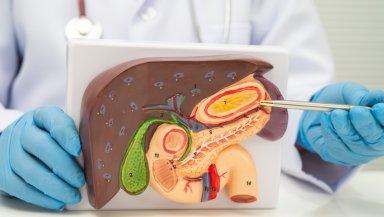
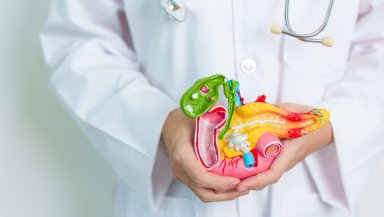
The digestive system includes the food pipe, stomach, intestines, liver, pancreas, gallbladder, and rectum. Many diseases affecting these organs develop slowly over months or years without causing strong symptoms in the beginning.
Colon cancer may start as a silent polyp. Stomach ulcers may cause only mild burning at first. Fatty liver disease may quietly damage the liver without pain. Long-term acid reflux may slowly injure the food pipe before noticeable swallowing problems appear.
Preventive gastroenterology aims to detect these hidden problems through screening, routine evaluation, and early procedures.
This approach helps reduce the need for emergency treatment, major surgery, and advanced cancer care later.
The focus is simple: find early, treat early, and protect long-term health.
Why Prevention Matters More Than Late Treatment
Digestive diseases are often easier to treat when they are found early.
A small colon polyp removed during colonoscopy may prevent cancer completely. A bleeding stomach ulcer treated early may avoid emergency hospitalization. Detecting liver disease before permanent damage develops can prevent long-term complications.
When diagnosis happens late, treatment becomes more difficult, more expensive, and more stressful for both patients and families.
Many digestive cancers do not cause pain in the early stage. By the time symptoms like bleeding, weight loss, vomiting, or jaundice appear, the disease may already be advanced.
This is why preventive screening is so important.
People often say they feel fine and do not think testing is necessary. The truth is that prevention works best before symptoms begin.
Screening is not a sign of illness. It is a way of protecting future health.
Colonoscopy: The Most Important Preventive GI Procedure
Colonoscopy is one of the strongest examples of preventive gastroenterology because it can both detect and prevent disease at the same time.
During colonoscopy, a thin flexible tube with a camera is passed through the rectum to examine the entire large intestine.
Doctors use it to look for polyps, inflammation, bleeding, ulcers, and early signs of colorectal cancer.
Most colon cancers begin as small growths called polyps. These polyps may remain harmless for years, but some slowly turn into cancer.
The biggest advantage of colonoscopy is that these polyps can often be removed during the same procedure before cancer develops.
This makes colonoscopy one of the few screening tests that can actually prevent cancer, not just detect it.
Routine screening is usually recommended from middle age onward, especially for people with family history, bowel symptoms, or increased risk factors.
Flexible Sigmoidoscopy and Stool-Based Screening
Not every screening begins with a full colonoscopy.
Flexible sigmoidoscopy is a simpler procedure that examines the lower part of the colon, mainly the rectum and sigmoid colon. Understanding sigmoidoscopy vs colonoscopy helps doctors choose the right screening method for different patients. It can detect polyps, bleeding, and lower bowel disease in selected patients.
Stool-based tests are another common preventive tool.
These tests look for hidden blood in the stool that may not be visible to the eye. Some advanced stool tests also check for abnormal DNA changes linked to colon cancer.
They are easy to perform and often used as the first step in routine screening.
If a stool test is abnormal, colonoscopy is usually the next step.
While stool tests do not remove polyps, they help identify people who need closer evaluation.
This makes them an important part of preventive digestive care.
Upper GI Endoscopy for Early Detection
Upper GI endoscopy is another valuable preventive procedure, especially for people with long-term digestive symptoms or higher risk of upper digestive disease.
This procedure allows doctors to examine the food pipe, stomach, and first part of the small intestine using a flexible camera passed through the mouth.
It is often recommended for patients with long-term acidity, repeated heartburn, swallowing difficulty, chronic vomiting, unexplained anemia, or family history of stomach cancer.
Doctors use endoscopy to detect ulcers, gastritis, acid reflux damage, Barrett’s esophagus, polyps, and early cancers of the stomach or food pipe.
In patients with chronic reflux, endoscopy can identify changes before serious complications develop.
A biopsy can also be taken during the same procedure if needed.
This makes upper GI endoscopy both a diagnostic and preventive tool.
Screening for Liver Disease Before Damage Becomes Permanent
Liver disease often develops silently.
Conditions like fatty liver disease, hepatitis, alcohol-related liver damage, and early cirrhosis may progress for years without pain.
Many people discover liver disease only after routine blood tests show abnormal liver enzymes.
Preventive gastroenterology includes regular liver health evaluation, especially for people with diabetes, obesity, alcohol use, viral hepatitis risk, or family history of liver disease.
Ultrasound, blood tests, FibroScan, and specialist evaluation help identify fatty liver, fibrosis, or early cirrhosis before permanent damage develops.
Early lifestyle changes and treatment can prevent liver failure later.
This is especially important because liver damage is often reversible in the early stage but much harder to manage once scarring becomes advanced.
Screening for Helicobacter pylori and Ulcer Prevention
Helicobacter pylori is a common bacterial infection that can live inside the stomach and cause gastritis, ulcers, and increased risk of stomach cancer.
Many people have this infection without knowing it.
Patients with repeated stomach pain, acidity, bloating, ulcers, or family history of stomach cancer may be tested for this infection through breath tests, stool tests, blood tests, or biopsy during endoscopy.
If found early, treatment with medicines can remove the infection and reduce future ulcer complications.
Preventing ulcers before bleeding or severe pain develops is a major part of good digestive care.
This is another example of how prevention is often much easier than emergency treatment later.
Monitoring GERD Before It Causes Long-Term Damage
Acid reflux is common, but long-term untreated GERD can damage the food pipe over time.
Repeated acid exposure may cause inflammation, ulcers, narrowing, or Barrett’s esophagus, which increases the risk of cancer.
Patients with frequent heartburn, night reflux, chronic cough, or swallowing discomfort may need evaluation through endoscopy, pH monitoring for GERD, or esophageal manometry.
These tests help doctors confirm the diagnosis and prevent long-term complications.
Managing reflux early with treatment and lifestyle changes is far safer than waiting until swallowing becomes difficult.
Preventive care here means protecting the food pipe before permanent damage develops.
Pancreatic and Bile Duct Evaluation in High-Risk Patients
The pancreas and bile ducts are difficult to examine, and diseases in these areas often remain hidden until symptoms become serious.
Patients with repeated pancreatitis, unexplained jaundice, pancreatic cysts, family history of pancreatic cancer, or unexplained weight loss may need advanced screening through Endoscopic Ultrasound (EUS) or MRCP.
These tests help detect early tumors, cysts, bile duct stones, or chronic pancreatitis before major complications develop.
Because pancreatic disease is often diagnosed late, early evaluation in high-risk patients can be life-changing.
Family History and Personal Risk Should Guide Screening
Preventive screening should not be the same for everyone.
A person with a strong family history of colon cancer may need colonoscopy much earlier than someone without risk factors.
Patients with inflammatory bowel disease may need repeated colon checks because long-term inflammation increases cancer risk.
People with obesity, diabetes, smoking history, or alcohol use may need earlier liver and digestive evaluation.
Family history of stomach cancer, pancreatic disease, or polyps also changes screening decisions.
This is why personal risk assessment is so important.
Good preventive gastroenterology is not only about routine testing. It is about choosing the right test at the right time for the right person.
Lifestyle Is Also a Preventive Procedure
Doctors often focus on procedures, but daily habits are equally important.
Healthy digestion depends heavily on lifestyle choices.
Eating more fruits, vegetables, whole grains, and fiber supports bowel health and reduces the risk of constipation and colon disease.
Reducing processed food, smoking, alcohol, and excess weight lowers the risk of liver disease, reflux, and digestive cancers.
Regular physical activity improves digestion and metabolic health.
Good hydration, proper sleep, and stress management also help digestive balance.
Procedures can detect disease, but lifestyle often prevents it from starting.
Both must work together for true preventive care.
Why People Delay Preventive GI Care
Many people delay digestive screening because they feel healthy, feel embarrassed, or fear procedures like colonoscopy and endoscopy.
This delay is common and often dangerous.
Most preventive procedures are short, safe, and far easier than people imagine.
The fear of the test is often greater than the test itself.
Waiting for pain before taking action may mean missing the best chance for simple treatment.
A short screening today may prevent surgery, chemotherapy, or long-term illness later.
Prevention is always easier than recovery.
Conclusion
Preventive gastroenterology is not about doing unnecessary tests. It is about finding silent digestive problems early and stopping them before they become serious disease.
Procedures like colonoscopy, upper GI endoscopy, stool-based screening, liver evaluation, reflux testing, and pancreatic assessment help doctors protect long-term digestive health instead of reacting only after symptoms become severe.
Colon cancer, ulcers, liver disease, and reflux complications often begin quietly, which makes early screening one of the smartest health decisions a person can make.
The right procedure at the right time can prevent pain, surgery, and even life-threatening illness.
If you have digestive symptoms, family history, or risk factors, speaking to your doctor about preventive GI care may be one of the most important steps for your future health.
Early action saves more than time. It saves lives.
References and Sources
American College of Gastroenterology – Preventive Digestive Health and Screening
National Institute of Diabetes and Digestive and Kidney Diseases – Digestive Disease Prevention
Cleveland Clinic – Preventive Gastroenterology and Screening Guide