Sigmoidoscopy vs Colonoscopy: What’s the Difference?
Medicine Made Simple
Sigmoidoscopy and colonoscopy are procedures used to examine the large intestine, but they are not the same. A sigmoidoscopy checks only the lower part of the colon, while a colonoscopy examines the entire large intestine. Both use a thin flexible tube with a camera to detect bleeding, polyps, inflammation, or signs of cancer. Doctors choose between them based on symptoms, age, family history, and screening needs. Understanding the difference helps patients know why one test may be recommended over the other and how early diagnosis can protect long-term digestive health through preventive gastroenterology.
Understanding the Role of These Procedures
When people experience digestive symptoms such as bleeding, constipation, abdominal pain, or changes in bowel habits, doctors often recommend tests that help examine the inside of the large intestine. Two of the most common procedures used for this purpose are sigmoidoscopy and colonoscopy.
At first, both may sound almost the same because they involve a flexible tube with a small camera used to look inside the bowel. However, the area examined, the purpose of the test, the preparation required, and the treatment possibilities can be different.
Both procedures are important tools for diagnosing digestive problems and screening for colorectal cancer. They help doctors find issues such as polyps, inflammation, ulcers, infections, and abnormal growths before they become serious.
Knowing the difference between these two procedures helps patients understand why a doctor may recommend one instead of the other and what to expect during the process.
What Is a Sigmoidoscopy
A sigmoidoscopy is a procedure used to examine the lower part of the large intestine. This includes the rectum and the sigmoid colon, which is the final section of the colon closest to the rectum.
The doctor uses a thin, flexible tube called a sigmoidoscope. It has a small light and camera at the tip, allowing the doctor to see the lining of the lower bowel clearly.
This procedure is usually shorter and simpler than a colonoscopy because it examines only part of the colon.
Sigmoidoscopy is commonly used when symptoms seem to be coming from the lower bowel, such as rectal bleeding, pain near the rectum, or suspected hemorrhoids, inflammation, or lower colon disease.
It can also be used for screening in certain situations, especially when a full colonoscopy may not be immediately necessary.
Because only the lower part of the bowel is examined, preparation is usually easier and recovery is often faster.
What Is a Colonoscopy
A colonoscopy is a more detailed procedure that examines the entire large intestine, from the rectum all the way through the full length of the colon.
The doctor uses a similar flexible tube called a colonoscope, which is longer than a sigmoidoscope and designed to travel through the entire colon.
This allows doctors to check not only the lower bowel but also the upper and middle sections of the colon where important problems may also develop.
Colonoscopy is considered the gold standard for colon cancer screening because it gives the most complete view of the large intestine.
It is commonly recommended for routine screening, unexplained bleeding, persistent constipation or diarrhea, long-term abdominal pain, anemia, family history of colon cancer, and abnormal stool test results.
Since the whole colon is examined, the preparation is more extensive and sedation is more commonly used.
The Main Difference Between Sigmoidoscopy and Colonoscopy
The biggest difference between sigmoidoscopy and colonoscopy is how much of the colon is examined.
Sigmoidoscopy checks only the rectum and lower part of the colon, mainly the sigmoid colon. Colonoscopy examines the entire colon from beginning to end.
This difference matters because some diseases, especially colon polyps and cancer, can develop in areas beyond the reach of sigmoidoscopy.
If the doctor suspects a problem only in the lower bowel, sigmoidoscopy may be enough. If symptoms are unclear or if full cancer screening is needed, colonoscopy is usually preferred.
Another major difference is preparation.
Sigmoidoscopy often requires a lighter bowel preparation, sometimes only enemas or limited bowel cleansing. Colonoscopy requires full bowel preparation so the entire colon is completely clean for proper examination.
Sedation is another difference. Sigmoidoscopy may be done without sedation in many cases, while colonoscopy more often uses sedation for comfort because the procedure is longer and deeper.
When Doctors Choose Sigmoidoscopy
Doctors may recommend sigmoidoscopy when symptoms are limited to the lower part of the digestive tract and a full colonoscopy may not be necessary right away.
Common reasons include fresh blood in the stool, pain during bowel movements, rectal discomfort, suspected hemorrhoids, chronic constipation, or concern about inflammation near the rectum.
It may also be used to monitor known conditions such as ulcerative colitis affecting the lower colon.
In some hospitals, flexible sigmoidoscopy is used as part of cancer screening programs, especially when combined with stool tests.
Because the test is shorter and preparation is easier, it can be a practical first step in selected patients.
However, if something suspicious is found or if symptoms suggest a deeper problem, a full colonoscopy may still be needed later.
When Doctors Choose Colonoscopy
Colonoscopy is chosen when a full evaluation of the large intestine is needed.
This is common in routine colorectal cancer screening, especially for adults above the recommended screening age or people with a family history of colon cancer.
Doctors also recommend colonoscopy when symptoms are more serious or difficult to explain, such as black stools, repeated anemia, unexplained weight loss, long-term diarrhea, or persistent abdominal pain.
If a stool test shows hidden blood, colonoscopy is often the next step.
It is also used after abnormal scan findings or when polyps were found in the past and need follow-up.
Because it examines the whole colon and allows therapeutic polypectomy during the same procedure, colonoscopy provides the most complete information.
Preparation Before the Procedure
Preparation is one of the most important parts of both procedures because a clear bowel allows the doctor to see properly.
For sigmoidoscopy, preparation is usually lighter. Patients may be asked to eat lightly and use enemas or mild bowel-cleansing medicines before the procedure.
For colonoscopy, preparation is more extensive. Patients usually follow a low-fiber diet one or two days before the test and clear liquids the day before. A strong bowel-cleansing medicine is taken to empty the colon completely.
This preparation may feel uncomfortable, but it is necessary for accurate results.
Doctors will also review regular medicines. Blood thinners, diabetes medicines, insulin, and some heart medicines may need temporary changes.
It is important to follow instructions carefully because poor preparation can affect results and may require repeating the test.
What Happens During the Procedure
Both procedures are performed in a hospital or endoscopy center.
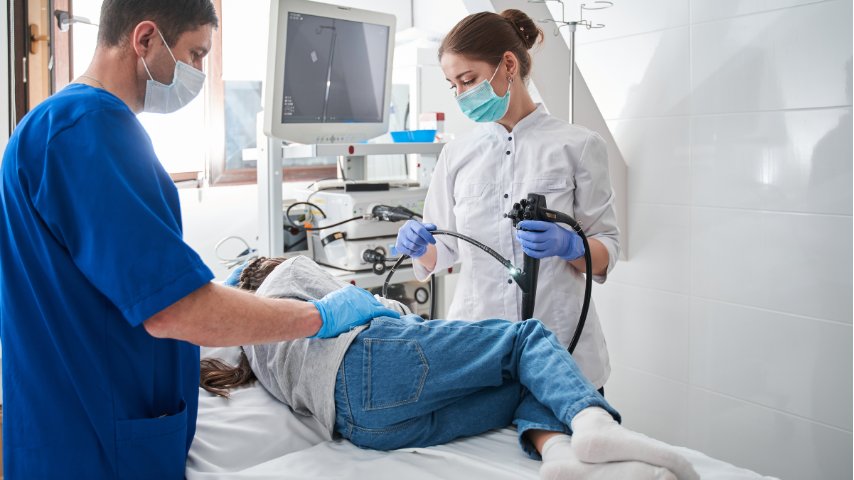
For sigmoidoscopy, the patient usually lies on the left side. The doctor gently inserts the sigmoidoscope through the rectum and examines the lower bowel. Air may be introduced to improve visibility, which can cause temporary pressure or bloating.
The procedure usually takes about 10 to 20 minutes.
For colonoscopy, the process is similar, but the scope travels through the full length of the colon. Because this takes longer and may be less comfortable, sedation is often given through a vein.
The doctor checks for bleeding, polyps, inflammation, ulcers, narrowing, or suspicious growths.
If needed, polyps can be removed and biopsies can be taken during both procedures, although colonoscopy offers access to the entire colon.
Is It Painful
Most patients worry about pain before these tests, but both procedures are usually manageable.
Sigmoidoscopy may cause temporary cramping, pressure, or the feeling of needing to pass gas. Since it is shorter and examines only the lower bowel, discomfort is usually mild.
Colonoscopy may cause more pressure or bloating because the scope travels farther into the colon. However, sedation makes the procedure much easier for most patients.
Many people remember very little of the colonoscopy afterward.
Neither procedure is usually described as painful, but they may feel unusual or uncomfortable for a short time.
Recovery After Sigmoidoscopy and Colonoscopy
Recovery depends on whether sedation was used.
After sigmoidoscopy without sedation, most patients can return to normal activities almost immediately.
There may be mild bloating or gas for a short time, but this settles quickly.
After colonoscopy, patients usually rest in a recovery area while the sedation wears off. Driving, alcohol, and important decisions should be avoided for the rest of the day if sedation was used.
Mild bloating is common after both procedures.
Doctors may explain the first findings immediately, while biopsy results may take a few days.
Most patients return to normal routine by the next day.
Risks and Safety
Both sigmoidoscopy and colonoscopy are considered safe procedures when performed by trained doctors.
Small risks include bleeding, especially if a biopsy or polyp removal is done, infection, reaction to sedation, and rarely, a tear in the bowel wall called perforation.
The risk is slightly higher with colonoscopy because the procedure covers the entire colon and more treatments may be performed during the same session.
Serious complications are uncommon.
Doctors recommend these procedures only when the benefits are clearly greater than the risks.
Which One Is Better
There is no single answer because the best test depends on the reason for the examination.
If symptoms are limited to the lower bowel and the doctor needs a quick focused check, sigmoidoscopy may be enough.
If complete screening for colon cancer is needed or symptoms suggest a deeper problem, colonoscopy is usually the better option.
Colonoscopy provides a more complete view and stronger cancer prevention because it can detect and remove polyps throughout the entire colon.
Sigmoidoscopy is faster, simpler, and may be useful when a full procedure is not immediately necessary.
The right choice depends on symptoms, age, family history, and medical advice.
Conclusion
Sigmoidoscopy and colonoscopy are both valuable procedures for checking the health of the large intestine, but they serve different purposes.
Sigmoidoscopy focuses on the lower part of the colon and is often used for specific lower bowel symptoms or selected screening cases. Colonoscopy examines the entire colon and is the preferred test for full colorectal cancer screening and deeper investigation.
Understanding the difference helps patients feel less anxious and better prepared when their doctor recommends one of these procedures.
Neither test should be delayed because of fear or embarrassment.
Early diagnosis of colon problems can prevent serious disease and improve treatment outcomes.
If you have rectal bleeding, changes in bowel habits, unexplained abdominal symptoms, or a family history of colon cancer, speak to your doctor about which test may be right for you. In some patients, related digestive evaluation with upper GI endoscopy may also be advised depending on symptoms.
The right screening at the right time can protect your long-term digestive health.
References and Sources
American Cancer Society – Colorectal Cancer Screening