What Happens During a Therapeutic Polypectomy?
Medicine Made Simple
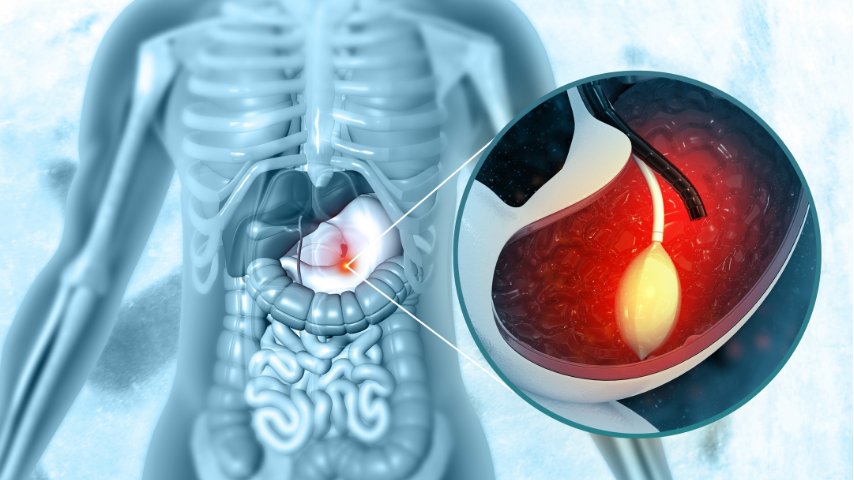
A therapeutic polypectomy is a procedure used to remove abnormal growths called polyps from the digestive tract, most commonly from the colon during a colonoscopy. Polyps are usually harmless at first, but some can slowly turn into cancer if left untreated. During the procedure, doctors use special tools passed through an endoscope to safely remove the polyp without major surgery. It is usually painless because sedation is given. Removing polyps early helps prevent future complications and is one of the most effective ways to reduce the risk of colorectal and digestive cancers.
Understanding What a Polyp Is
A polyp is a small growth that develops on the inner lining of the digestive tract. It can appear in different areas such as the colon, stomach, rectum, or even the food pipe, but colon polyps are the most common.
Most polyps begin as harmless growths and may not cause any symptoms at all. Many people do not know they have them until they are found during a routine colonoscopy or endoscopy.
Some polyps are small and soft, while others may be larger, flatter, or attached to the lining by a stalk. Doctors study the size, shape, and location because these details help decide whether the polyp needs removal.
The reason polyps are taken seriously is that some types can slowly change into cancer over time. This process may take years, which means early detection and removal can prevent serious disease before it starts.
This is why doctors often recommend removing polyps even when they are not causing symptoms.
What Is a Therapeutic Polypectomy
A therapeutic polypectomy is the medical procedure used to remove a polyp from inside the digestive tract using an endoscope.
The word “therapeutic” means it is done not just to look for disease, but to actively treat it. The word “polypectomy” simply means removal of a polyp.
This procedure is commonly done during a colonoscopy when a polyp is found in the colon. It can also be done during upper GI endoscopy if a polyp is found in the stomach or upper digestive tract.
Instead of open surgery, the doctor uses special instruments passed through the endoscope to remove the polyp from inside the body.
This makes it a minimally invasive treatment with faster recovery, less pain, and lower risk compared to surgery.
In many cases, removing the polyp early completely prevents future cancer development.
Why Doctors Recommend Removing Polyps
Not every polyp becomes cancer, but doctors cannot always know which ones are harmless just by looking at them.
Some polyps, especially adenomatous polyps in the colon, have a higher chance of becoming cancer if left untreated. Larger polyps or those with unusual appearance may also carry more risk.
Even when a polyp looks harmless, doctors often prefer removal because laboratory testing is needed to confirm its exact type.
Polyps may also cause symptoms such as bleeding, anemia, mucus in stool, abdominal discomfort, or changes in bowel habits.
In some cases, stomach polyps may be linked to inflammation or long-term acid-related disease.
Removing the polyp helps both in diagnosis and prevention.
This is why preventive gastroenterology considers therapeutic polypectomy one of the most important preventive procedures in digestive medicine.
How Polyps Are Usually Found
Most polyps are discovered during routine screening procedures rather than because of symptoms.
A colonoscopy done for colon cancer screening often finds colon polyps in patients who feel completely healthy.
Sometimes doctors perform colonoscopy because of symptoms like blood in stool, constipation, diarrhea, unexplained weight loss, anemia, or abdominal pain, and a polyp is found during the examination.
Upper GI endoscopy may detect stomach polyps in patients with acidity, vomiting, or upper abdominal pain.
In some cases, scans may suggest a growth, but endoscopy is needed to confirm it and remove it safely.
The important point is that many polyps remain silent for years, which is why regular screening becomes so valuable.
Preparing for a Therapeutic Polypectomy
Preparation depends on where the polyp is located and which procedure will be used.
If the polyp is in the colon, preparation is similar to colonoscopy. The bowel must be completely clean so the doctor can clearly see the inside of the colon. This usually means following a special diet and taking bowel-cleansing medicine the day before.
If the procedure is done during upper GI endoscopy, fasting for 6 to 8 hours is usually required so the stomach remains empty.
Your doctor will review your regular medicines carefully.
Blood thinners, diabetes medicines, insulin, and certain heart medications may need temporary changes. This is especially important because removing a polyp can slightly increase the risk of bleeding.
You should also inform your doctor about allergies, heart disease, previous surgeries, or any history of bleeding problems.
Good preparation improves safety and helps the doctor remove the polyp completely.
What Happens on the Day of the Procedure
On the day of the procedure, you will arrive at the hospital or endoscopy center and complete the registration process.
A nurse will ask about your symptoms, medicines, allergies, and fasting or bowel preparation status. Your blood pressure, pulse, and oxygen levels may also be checked.
The doctor will explain the procedure, possible risks, and the reason for polyp removal before asking you to sign a consent form.
You will then change into a hospital gown and be taken to the procedure room.
Most patients receive sedation through a vein in the hand or arm. This helps you relax and reduces discomfort during the procedure.
Some people remain lightly sleepy, while others remember very little afterward.
The goal is to make the procedure safe, comfortable, and effective.
What Happens During the Therapeutic Polypectomy
Once sedation has started, the doctor performs the endoscopy or colonoscopy and carefully examines the digestive tract.
When the polyp is identified, special tools are passed through the endoscope to remove it.
Small polyps may be removed using biopsy forceps or a snare, which is a thin wire loop placed around the polyp. The loop gently cuts the polyp from the lining.
Larger polyps may require a technique called snare polypectomy with electric current. This helps cut the tissue and reduce bleeding at the same time.
Sometimes the doctor injects fluid under the polyp first to lift it away from deeper tissue and make removal safer.
If bleeding happens, clips, heat treatment, or injections may be used immediately to stop it.
The removed polyp is sent to the laboratory for microscopic examination to check for abnormal or cancerous cells.
This step is very important because it helps decide whether further treatment is needed.
Is Therapeutic Polypectomy Painful
Most patients are surprised to learn that therapeutic polypectomy is usually not painful.
Because sedation is used, patients are relaxed and comfortable during the procedure. Many remember very little afterward.
The inside lining of the colon and stomach does not feel pain the same way skin does, so removing a small polyp usually does not cause sharp pain.
You may feel temporary bloating, mild cramping, or throat discomfort depending on whether the procedure was done through colonoscopy or upper endoscopy.
These symptoms are usually mild and improve quickly.
Severe pain is not expected and should always be reported to the doctor.
Recovery After Polypectomy
After the procedure, you will rest in a recovery area while the sedation wears off.
Nurses will monitor your blood pressure, pulse, and breathing to make sure you are stable and comfortable.
You may feel sleepy, bloated, or slightly tired for a few hours. This is normal.
If the procedure was simple and there were no complications, most patients go home the same day.
The doctor may explain the first findings immediately, but the final laboratory report for the removed polyp usually takes a few days.
If sedation was used, you should avoid driving, alcohol, operating machinery, or making important decisions for the rest of the day.
Most people return to normal routine by the next day unless a large polyp was removed.
Possible Risks and Complications
Therapeutic polypectomy is generally very safe, but like all medical procedures, small risks are possible.
The most common risk is bleeding, especially if a large polyp is removed. This may happen during the procedure or sometimes a few days later.
Another rare risk is perforation, which means a small tear in the wall of the colon or stomach. This may require hospital treatment or surgery.
Infection and reactions to sedation are also possible but uncommon.
Doctors take careful steps to reduce these risks and recommend the procedure only when the benefits are clearly greater than the possible complications.
If you develop severe abdominal pain, fever, heavy bleeding, vomiting, or dizziness after going home, you should contact your doctor immediately.
Why Therapeutic Polypectomy Helps Prevent Cancer
One of the strongest reasons for removing polyps is cancer prevention.
Many colorectal cancers begin as slow-growing polyps over several years. If the polyp is removed early, the cancer pathway is stopped before it becomes dangerous.
This is why colonoscopy with therapeutic polypectomy is considered one of the most effective tools for preventing colon cancer.
Instead of waiting for cancer to develop and then treating it, doctors can remove the risk early.
This approach saves lives and reduces the need for major surgery, chemotherapy, or advanced cancer treatment later.
The same principle applies to some stomach and intestinal polyps that may also carry cancer risk.
Early removal creates better long-term health outcomes.
Conclusion
Therapeutic polypectomy is a simple but powerful procedure that helps prevent serious digestive diseases before they begin.
By removing abnormal growths called polyps during endoscopy or colonoscopy, doctors can stop potential cancer development early and provide important answers through laboratory testing.
The procedure is minimally invasive, usually painless, and often completed without the need for surgery or hospital admission.
Although many people feel nervous when they hear the word polyp, early removal is often the safest and smartest step.
If your doctor recommends a therapeutic polypectomy, it is usually because they want to protect your long-term digestive health and prevent future complications.
Timely diagnosis and treatment today can prevent major health problems tomorrow.
References and Sources
American College of Gastroenterology – Colon Polyps Information
National Institute of Diabetes and Digestive and Kidney Diseases – Colon Polyps and Digestive Health
Cleveland Clinic – Colon Polyp Removal and Polypectomy Guide