Is Distal Pancreatectomy Worth It? Real Patient Stories, Regrets, and Long-Term Outcomes
Medicine Made Simple
Being told you need a distal pancreatectomy can create fear, confusion, and one big question: is this surgery really worth it? Patients worry about pain, recovery, diabetes, life after surgery, and whether they will regret the decision later. Distal pancreatectomy is a major operation, but for many people it removes cancer, prevents serious future disease, or improves symptoms that affect daily life. Most patients do not regret having surgery when they understand why it was needed. Knowing the long-term outcomes, common regrets, and real patient concerns helps people make decisions with more confidence and less fear.
What Is a Distal Pancreatectomy?
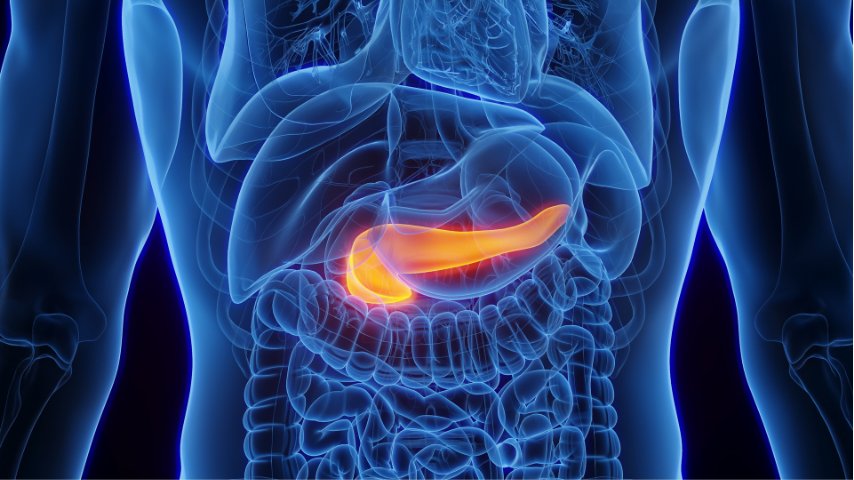
The pancreas is an important organ located behind the stomach. It helps digest food by producing digestive enzymes and also helps control blood sugar by making hormones like insulin.
When disease develops in the body or tail of the pancreas, doctors may recommend removing that affected portion. This surgery is called a distal pancreatectomy surgery.
The procedure is commonly performed for:
- Pancreatic cysts
- Neuroendocrine tumors
- Chronic pancreatitis
- Suspicious pancreatic masses
- Precancerous lesions
- Pancreatic cancer
In many cases, the spleen is also removed because it lies very close to the tail of the pancreas. This is known as distal pancreatectomy with splenectomy.
Although the operation is focused on one organ, the decision affects many parts of life including recovery, work, emotional wellbeing, finances, digestion, and long-term health.
That is why patients often ask whether the surgery is truly worth it.
Why Patients Ask “Is It Worth It?”
Most patients are not trying to avoid treatment. They are trying to understand how much their life may change afterward.
Common worries include:
- Major surgery and pain
- Recovery time
- Missing work or income
- Fear of cancer
- Diabetes after surgery
- Complications
- Digestion problems
- Whether life will feel normal again
Many patients quietly wonder:
“What if I go through all this and regret it later?”
This fear is very common.
The answer usually depends on one important factor: why the surgery is being recommended in the first place.
For some patients, surgery may remove cancer or prevent future cancer. For others, it may stop severe pain, repeated infections, or dangerous complications.
Understanding the reason behind surgery helps patients decide whether the benefits outweigh the risks.
When Surgery Is Clearly Worth It
There are situations where the benefits of surgery are usually much greater than the risks.
This often includes cases where:
- Pancreatic cancer is confirmed
- A tumor strongly appears cancerous
- A cyst shows high-risk changes
- Neuroendocrine tumors are growing
- Chronic pancreatitis causes severe pain
- Repeated complications are occurring
In these situations, avoiding surgery may create a much larger problem later.
For example, removing an early pancreatic tumor may prevent advanced cancer from spreading. Treating chronic pancreatitis may allow someone to finally live without constant pain and repeated hospital visits.
Patients who clearly understand this reasoning usually feel more confident about surgery.
When Patients Feel Unsure
Not every pancreatic problem creates an obvious decision.
A small cyst found accidentally during a scan may not cause symptoms. Some neuroendocrine tumors grow slowly. Certain lesions may remain stable for years.
This uncertainty can create confusion.
Patients often ask:
- Do I really need surgery now?
- Can this be monitored safely?
- Is surgery riskier than the disease itself?
- Should I get another opinion first?
These are important questions.
Some pancreatic conditions can safely be monitored with regular imaging instead of immediate surgery.
This is why experienced pancreatic surgeons and second opinions are so valuable. Good decision-making is not about rushing into surgery. It is about understanding risk clearly.
What Real Patients Often Say After Surgery
Many patients later say something unexpected.
The hardest part was often not the surgery itself. It was the fear before surgery.
Waiting for answers, imagining complications, and worrying about cancer often felt emotionally worse than recovery.
Common patient reflections include:
- “I wish I had asked more questions sooner.”
- “Recovery was slower than I expected but not as terrible as I feared.”
- “The drain bothered me more than the incision.”
- “I was terrified of diabetes, but I never developed it.”
- “Once I understood why surgery was necessary, I felt calmer.”
- “I wish I had chosen a specialized center earlier.”
These experiences show that uncertainty often creates more fear than the operation itself.
Common Regrets Patients Mention
Most patients who truly needed distal pancreatectomy do not regret having surgery.
However, they sometimes regret how they approached the decision.
Common regrets include:
- Ignoring symptoms too long
- Delaying medical evaluation
- Not seeking a second opinion
- Choosing a low-volume hospital quickly
- Returning to work too early
- Not preparing emotionally for recovery
- Not understanding spleen removal beforehand
- Comparing their recovery with others online
Very few patients regret necessary surgery itself.
More commonly, they regret not having enough clarity before the operation.
Recovery Can Feel More Difficult Than Expected
Even when surgery is successful, Distal Pancreatectomy Recovery may feel physically and emotionally exhausting in the beginning.
Patients may experience:
- Severe tiredness
- Poor appetite
- Weight loss
- Digestive changes
- Abdominal discomfort
- Drain irritation, pancreatic leak after distal pancreatectomy
- Weakness
- Emotional stress
During the first few weeks, some people question whether they made the right choice.
This feeling is common after major surgery.
Recovery from pancreatic surgery is usually gradual. Many patients feel significantly better after several weeks or months compared to the difficult early recovery phase.
Temporary struggle does not mean permanent regret.
What About Diabetes After Surgery?
This is one of the biggest concerns patients have before surgery.
Because the pancreas helps regulate blood sugar, many people fear they will automatically develop lifelong diabetes after part of the pancreas is removed.
The reality is more complex.
Not every patient develops diabetes.
The risk depends on factors such as:
- How much pancreas is removed
- The health of the remaining pancreas
- Whether diabetes existed before surgery
- The reason for surgery
Some patients only need occasional blood sugar monitoring. Others may require tablets or insulin later.
Many people later realize that the fear of diabetes was much larger than the actual experience.
Clear explanations from doctors often reduce this anxiety significantly.
Can Life Feel Normal Again?
For most patients, yes.
Life usually returns to normal or close to normal over time.
Most patients eventually return to:
- Work
- Family responsibilities
- Exercise
- Travel
- Social activities
- Daily routines
Some may need pancreatic enzyme supplements, dietary adjustments, blood sugar monitoring, or vaccines if the spleen was removed.
But most people do not spend the rest of life feeling permanently ill.
Normal life usually returns gradually rather than suddenly.
Patients who understand that recovery takes months instead of days often cope better emotionally.
What If Cancer Was the Reason for Surgery?
When surgery is performed for pancreatic cancer, the question becomes even more emotional.
Patients worry about:
- Survival
- Chemotherapy
- Cancer recurrence
- Whether surgery truly improves outcomes
For many patients with operable pancreatic cancer, surgery offers the best chance for long-term survival.
Even when chemotherapy is also needed, removing the tumor may be the most important treatment step.
Many cancer patients later say surgery gave them something extremely meaningful: a chance.
That chance often makes the difficult recovery feel worthwhile.
Quality of Life After Distal Pancreatectomy
Patients care about much more than surviving surgery.
They want to know:
- Will I enjoy food again?
- Will I always feel weak?
- Can I travel normally?
- Can I work again?
- Will I feel like myself?
For most people, quality of life improves gradually with healing.
When surgery removes pain, repeated hospitalizations, severe anxiety, or fear of cancer progression, patients often feel emotionally lighter afterward.
Recovery may be difficult, but peace of mind also matters greatly.
Living without constant fear of what the pancreatic disease could become is one reason many patients later feel surgery was worth it.
Why Hospital and Surgeon Choice Matter So Much
Where the surgery is performed can strongly affect how patients feel about the outcome later.
Pancreatic surgery is safest in experienced, high-volume centers where these operations are performed regularly.
Experienced teams improve:
- Surgical safety
- Complication management
- Cancer outcomes
- Recovery support
- Long-term follow-up care
Patients who experience preventable complications often say they wish they had chosen a specialist center earlier.
This decision can matter as much as the surgery itself.
Emotional Healing Matters Too
Physical recovery is only one part of healing.
Many patients experience emotional stress before and after surgery.
Common feelings include:
- Fear of pathology results
- Anxiety about cancer returning
- Frustration with slow recovery
- Financial stress
- Loss of independence
- Regret about delayed diagnosis
These emotions are normal.
Patients who communicate openly with doctors and family members often cope better emotionally than those who try to handle everything silently.
Surgery affects the entire life experience, not only the body.
Questions to Ask Before Deciding
Before agreeing to distal pancreatectomy, patients should ask clear questions such as:
- Why is surgery recommended now?
- Is monitoring still an option?
- Will the spleen also be removed?
- Can the surgery be done laparoscopically or robotically?
- How often do you perform this surgery?
- What is recovery realistically like?
- Will chemotherapy be needed later?
- What happens if I delay surgery?
Clear answers reduce confusion and regret later.
Confidence comes from understanding, not from rushing.
Conclusion
If you are asking whether distal pancreatectomy is worth it, you are asking an important and thoughtful question.
This is major surgery, and it deserves careful consideration. But for many patients, it removes cancer, prevents future danger, relieves serious symptoms, and restores peace of mind.
The goal is not simply to undergo surgery. The goal is to create a safer and healthier future.
Ask questions, seek expert guidance, consider a second opinion if needed, and make the decision based on understanding rather than fear.
When patients truly understand why surgery is recommended, they are far less likely to regret it later.
References and Sources
Memorial Sloan Kettering Cancer Center – Distal Pancreatectomy and Recovery
Johns Hopkins Medicine – Pancreatic Surgery and Patient Outcomes
Cancer Research UK – Pancreatic Surgery and Long-Term Recovery
American Cancer Society – Pancreatic Cancer Surgery and Treatment