Pancreatic Leak After Distal Pancreatectomy: Warning Signs Patients Should Never Ignore
Medicine Made Simple
Distal pancreatectomy is a surgery where the body and tail of the pancreas are removed, and one of the most common complications after this operation is a pancreatic leak. This happens when digestive fluid leaks from the cut surface of the pancreas instead of staying inside the digestive system. Many patients feel anxious when they hear the word “leak,” but early detection and proper treatment often lead to safe recovery. Knowing the warning signs like fever, pain, high drain output, or delayed healing helps patients act early and avoid serious complications after surgery.
What Is a Distal Pancreatectomy?
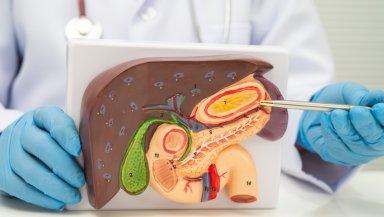
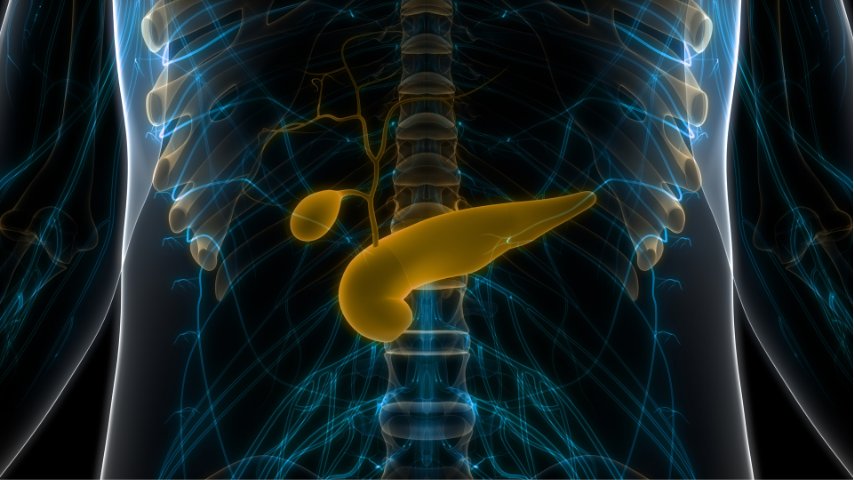
The pancreas is an important organ located behind the stomach. It helps digest food by producing digestive enzymes and also controls blood sugar by making hormones like insulin.
The pancreas has three main parts:
- Head
- Body
- Tail
A distal pancreatectomy is a surgery where the body and tail of the pancreas are removed. This operation is commonly done for pancreatic cysts, tumors, chronic pancreatitis, neuroendocrine tumors, or pancreatic cancer affecting the left side of the pancreas.
Because the spleen lies very close to the tail of the pancreas, it is often removed during the same surgery. This is called distal pancreatectomy with splenectomy.
Even when surgery goes well, doctors closely watch for certain complications during recovery. One of the most important considerations in distal pancreatectomy outcomes is the risk of a pancreatic leak.
What Is a Pancreatic Leak?
A pancreatic leak happens when digestive fluid leaks from the cut surface of the pancreas after surgery.
The pancreas produces powerful digestive enzymes. Normally, these enzymes travel safely into the intestine to help digest food. After part of the pancreas is removed, the remaining cut edge must heal properly.
Sometimes, instead of staying inside the normal digestive pathway, pancreatic fluid leaks out into the surrounding area.
This is called:
- Pancreatic leak
- Pancreatic fistula
- Postoperative pancreatic fistula (POPF)
Doctors may use these words differently, but patients usually hear the word “leak.”
This complication is common enough that surgeons actively plan for it after surgery. It does not always mean something dangerous, but it always needs attention.
Why Does a Pancreatic Leak Happen?
The pancreas is a soft and delicate organ, which makes healing more difficult compared to some other surgeries.
A leak may happen because:
- The remaining pancreas tissue is soft
- The pancreatic duct is small
- Healing is slower than expected
- There is inflammation or infection
- The body needs more time to seal the cut surface
- Cancer surgery is more complex
- Nutrition or general health affects healing
Even when the surgeon performs the operation perfectly, a leak can still happen.
Patients often blame themselves or think something went wrong in surgery, but pancreatic leaks are a known medical risk, not a personal failure.
Why Surgical Drains Are So Important
Many patients wake up after surgery with a drain near the abdomen and immediately feel worried.
This drain is one of the most important tools doctors use to detect a pancreatic leak early.
The drain helps by:
- Removing extra fluid
- Preventing fluid collection inside the abdomen
- Allowing doctors to test the fluid
- Monitoring how healing is progressing
Doctors may test the drain fluid to see if it contains pancreatic enzymes. High enzyme levels may suggest a pancreatic leak.
Patients often feel frustrated because drains delay discharge or stay longer than expected, but the drain is often protecting recovery.
Sometimes the drain itself helps treat the problem without needing more surgery.
Common Warning Signs of a Pancreatic Leak
Some patients have a leak discovered only through drain testing, while others notice symptoms first.
Important warning signs include:
- Fever
- Increasing abdominal pain
- High drain output
- Cloudy or foul-smelling drain fluid
- Delayed recovery
- Feeling weaker instead of stronger
- Nausea or vomiting
- Poor appetite that worsens
- Swelling in the abdomen
- Redness near the wound or drain site
Patients often say, “I just feel worse instead of better.”
That feeling matters.
Recovery after surgery should gradually improve. Sudden worsening should never be ignored.
Is Every Leak Dangerous?
No.
This is one of the most important things patients should understand.
Not every pancreatic leak is severe. Some leaks are small and heal with simple observation and drain support. Others are more serious and need stronger treatment.
Doctors often classify leaks based on:
- Amount of leaked fluid
- Symptoms present
- Need for extra treatment
- Effect on hospital stay
- Presence of infection
Some patients only need a drain for longer. Others may need antibiotics, imaging, or additional procedures.
Hearing the word “leak” sounds frightening, but many patients recover safely with proper monitoring.
How Doctors Diagnose a Pancreatic Leak
Doctors usually diagnose a pancreatic leak using a combination of symptoms, drain fluid testing, blood tests, and imaging.
They may check:
- Drain output amount
- Drain fluid appearance
- Amylase levels in drain fluid
- Blood infection markers
- CT scan for fluid collections
- Fever and pain symptoms
Sometimes patients feel fine but the drain fluid test shows a leak.
Other times, symptoms like fever or pain lead to further testing.
This is why follow-up and drain monitoring are so important, even if the patient feels mostly okay.
Treatment for a Pancreatic Leak
Treatment depends on how serious the leak is.
Many patients are surprised to learn that not all leaks require another surgery.
Common treatment options include:
- Keeping the drain in place longer
- Antibiotics if infection is present
- IV fluids and nutrition support
- Temporary food restrictions in selected cases
- CT-guided drainage if fluid collects inside
- Endoscopic treatment in some cases
- Rarely, another surgery if the leak is severe
Most patients improve without needing another major operation.
The goal is to control the leak safely while giving the body time to heal.
Patience is often part of treatment.
Why Recovery Feels Delayed
Patients with a pancreatic leak often feel frustrated because recovery becomes slower than expected.
They may think:
- Why am I still in the hospital?
- Why is my drain still here?
- Why am I not eating normally yet?
- Why do I still feel weak?
This is emotionally exhausting.
A leak can delay:
- Hospital discharge
- Drain removal
- Return to work
- Normal eating
- Cancer treatment like chemotherapy if needed
Patients often compare themselves with others and feel like recovery is failing.
But a slower recovery does not mean permanent failure. It means healing needs more time.
Can a Pancreatic Leak Happen After Going Home?
Yes.
Some patients develop symptoms after leaving the hospital.
This is why discharge instructions are so important.
Patients should never ignore:
- Fever at home
- Sudden new pain
- Increased drain output
- Bad smell from the drain
- Vomiting
- Weakness getting worse
- New swelling in the abdomen
Many patients wait too long because they hope symptoms will pass.
It is always safer to call the doctor early rather than late.
Does a Pancreatic Leak Mean Cancer Treatment Will Be Delayed?
Sometimes yes, especially if surgery was done for pancreatic cancer.
If chemotherapy is planned after surgery, doctors usually want the body to recover first. A pancreatic leak may delay that timeline.
This creates extra emotional stress because patients worry the cancer treatment is being postponed.
Doctors understand this concern and work carefully to balance safe healing with timely cancer care.
The priority is making sure the body is strong enough for the next treatment step.
Emotional Stress Around the Word “Leak”
Patients often feel strong fear the moment they hear the word “leak.”
Many imagine emergency surgery, life-threatening complications, or treatment failure.
This fear is understandable.
The word sounds serious, and sometimes it is. But many pancreatic leaks are managed safely with drains, antibiotics, and careful follow-up.
Patients need honest explanations, not just medical words.
Understanding the situation helps reduce panic and improves trust in recovery.
Clear communication matters as much as treatment.
Can a Leak Be Prevented?
Not completely.
Surgeons use careful techniques to reduce risk, but no method can guarantee zero leaks.
Risk depends on:
- Pancreas texture
- Type of disease
- Surgical complexity
- Patient health
- Nutrition status
- Diabetes and other medical conditions
Patients sometimes ask what they did wrong.
Usually, the answer is nothing.
This is a known surgical risk, not something caused by poor behavior after surgery.
Follow-Up Visits Matter
Follow-up appointments are extremely important after distal pancreatectomy, especially when a leak is suspected or confirmed.
Doctors use these visits to check:
- Drain output
- Blood tests
- Signs of infection
- Wound healing
- Nutrition and weight
- Blood sugar control
- Readiness for drain removal
- Timing of further treatment if cancer is involved
Skipping follow-up visits can make a small problem become a bigger one.
Recovery after pancreatic surgery needs active medical supervision.
When You Should Call Your Doctor Immediately
You should contact your doctor urgently if you have:
- Fever
- Severe abdominal pain
- Vomiting that does not stop
- High drain output
- Foul-smelling drain fluid
- Sudden weakness
- Chest pain
- Shortness of breath
- Yellowing of the eyes
- Severe bloating or swelling
Early treatment prevents serious complications.
Patients should never feel embarrassed about calling too early.
Waiting too long is the bigger risk.
Conclusion
If you or a loved one is recovering after distal pancreatectomy, understanding pancreatic leak can reduce fear and improve safety.
A leak does not always mean disaster, but it does require attention and follow-up.
Know the warning signs, respect your drain instructions, attend follow-up visits, and call your doctor early if something feels wrong.
Recovery after pancreas surgery can be slow, but with early action and the right care, most patients move forward safely and successfully.
References and Sources
Memorial Sloan Kettering Cancer Center – Distal Pancreatectomy Recovery
Johns Hopkins Medicine – Pancreatic Surgery and Complications
Cancer Research UK – Pancreatic Surgery Recovery and Complications