Why Do Fibroids Come Back After Treatment? Understanding Recurrence Risk
Medicine Made Simple
Fibroids often come back after treatment because the conditions that caused them are still present in the body. These growths are strongly influenced by hormones, especially estrogen and progesterone, which continue to circulate even after treatment. While procedures can remove or shrink existing fibroids, they do not always stop new ones from forming. Factors such as age, genetics, and the type of treatment play a major role in recurrence. Understanding why fibroids return helps patients make better long-term decisions and manage their health with confidence, especially when comparing fibroids vs UFE.
Understanding fibroids from the ground up
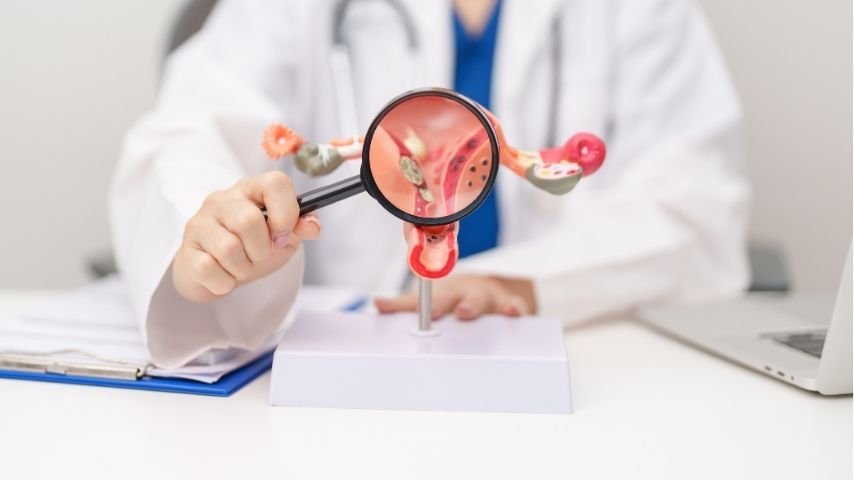
Fibroids are non-cancerous growths that develop from the muscle layer of the uterus. They can be very small or grow large enough to change the shape of the uterus. Some women never notice them, while others experience heavy bleeding, pelvic pressure, pain, or difficulty with fertility, which are common uterine fibroids symptoms. What makes fibroids unique is that they are not just random growths. They are closely linked to how the body functions, especially how hormones behave.
The female body produces hormones like estrogen and progesterone every month as part of the menstrual cycle. These hormones help prepare the uterus for pregnancy, but they also act as fuel for fibroids. When hormone levels are active, fibroids have the environment they need to grow. This is why fibroids are most common during the reproductive years and tend to shrink after menopause.
Understanding this connection is important because it explains why simply removing fibroids does not always solve the problem permanently. The internal environment that supports their growth often remains unchanged.
What does recurrence actually mean in real life
When doctors talk about fibroid recurrence, they are not always referring to the same fibroid growing back in the exact same spot. Instead, recurrence usually means that new fibroids have developed or that very small ones that were previously undetected have grown large enough to cause symptoms.
Many patients assume that treatment is a one-time solution, similar to removing a lump from the body. However, fibroids behave differently. They are often multiple, and some may be too small to detect during initial treatment. Over time, these small fibroids can grow and start causing symptoms again.
In real life, recurrence often feels like symptoms slowly returning rather than a sudden change. A woman who once felt relief after treatment may begin to notice heavier periods, increasing bloating, or pelvic discomfort months or years later. This gradual return can be confusing and emotionally frustrating.
The core reason fibroids come back
The most important reason fibroids come back is that the body continues to produce the hormones that support their growth. Estrogen and progesterone do not stop after treatment. They continue to cycle every month, especially in women who are still menstruating.
Another key factor is that fibroids are rarely a single growth. Many women have multiple fibroids, even if only one or two are large enough to be treated initially. Smaller fibroids may remain unnoticed and grow later.
Genetics also plays a strong role. If fibroids are common in your family, your body may naturally be more likely to develop them again. This means recurrence is not always something that can be completely prevented.
Age is equally important. Women in their 20s and 30s have many years of active hormone production ahead, which increases the chance of fibroids returning. On the other hand, women closer to menopause often see a natural reduction in fibroid growth because hormone levels begin to decline.
How different treatments influence recurrence
The type of treatment you choose has a direct impact on how likely fibroids are to return. Each treatment works in a different way, and none of them completely changes how the body produces hormones.
Myomectomy is a surgery that removes fibroids while keeping the uterus intact. This is often preferred by women who want to have children. However, because the uterus remains and hormone activity continues, new fibroids can develop over time. Many women who undergo myomectomy may experience recurrence, including fibroids after myomectomy, within a few years.
Uterine Fibroid Embolization works by cutting off the blood supply to fibroids, causing them to shrink gradually. It is less invasive than surgery and offers faster recovery. However, it does not remove fibroids completely, and in some cases, smaller fibroids may not respond fully. This means symptoms can return over time, although many women experience long-lasting relief.
Hysterectomy is the only treatment that completely eliminates the possibility of fibroid recurrence because the uterus is removed. However, it is a major surgery and not suitable for women who wish to preserve fertility or avoid permanent changes to their body.
Medications can temporarily control fibroid growth by altering hormone levels, but their effects are usually short-term. Once medication is stopped, fibroids often begin to grow again.
How common is fibroid recurrence
Recurrence is not rare, and this is something many women discover through personal experience or discussions in online communities. Studies suggest that a significant number of women who undergo fibroid removal procedures may develop new fibroids within five years.
However, recurrence does not always mean severe symptoms. Some fibroids remain small and do not interfere with daily life. The need for further treatment depends more on symptoms than on the presence of fibroids alone.
Younger women generally have a higher chance of recurrence because they have longer exposure to active hormones. Women closer to menopause often experience fewer issues because fibroid growth slows naturally.
Recognizing early signs of recurrence
Fibroid recurrence often begins with subtle changes rather than dramatic symptoms. Many women notice that their menstrual cycle starts to change again, with periods becoming heavier or lasting longer. Pelvic discomfort or a feeling of pressure may slowly return, sometimes accompanied by bloating or a visible increase in abdominal size.
Fatigue caused by blood loss can reappear, along with symptoms like dizziness or low energy. Some women also experience frequent urination or a constant feeling of fullness in the lower abdomen.
These changes may seem minor at first, but they should not be ignored. Early evaluation can help identify whether fibroids are returning and allow for timely management.
The role of lifestyle and overall health
While lifestyle does not directly cause fibroids, it can influence how the body responds to hormonal changes. Factors such as weight, diet, and stress levels can affect hormone balance, which in turn may impact fibroid growth.
Many women report that high stress levels seem to worsen their symptoms. Poor sleep, unhealthy eating habits, and lack of physical activity may also contribute to overall hormonal imbalance. Although these factors are not the primary cause of fibroids, they can create conditions that make symptoms more noticeable or difficult to manage.
Taking care of overall health does not guarantee that fibroids will not return, but it can support better long-term outcomes and improve quality of life.
Emotional impact of recurrence
Experiencing fibroid recurrence can be emotionally challenging. Many women feel discouraged when symptoms return after treatment, especially if they believed the problem had been resolved permanently.
This frustration is understandable. Fibroids affect daily life in many ways, including physical comfort, energy levels, and confidence. When symptoms return, it can feel like losing control again.
It is important to understand that recurrence is not a failure of treatment or a mistake on your part. It is simply how fibroids behave in many cases. Accepting this can help shift the focus from frustration to proactive management.
Managing fibroids as a long-term condition
Instead of viewing fibroid treatment as a one-time solution, it is more helpful to think of it as part of long-term health management. Regular check-ups, awareness of symptoms, and open communication with your doctor can make a significant difference.
Each woman’s situation is unique. Some may need only one treatment in their lifetime, while others may require ongoing monitoring or additional procedures. The goal is not just to remove fibroids but to maintain comfort and quality of life over time.
Understanding your body, knowing your options, and seeking timely medical advice are key steps in managing fibroids effectively.
Conclusion
Fibroids can come back after treatment because the hormonal and biological conditions that support their growth often remain active. This does not mean treatment has failed, but rather that fibroids are a condition that may require long-term attention. If symptoms return, early consultation with a specialist can help you explore the best next steps. With the right knowledge and support, you can manage fibroids effectively and continue to live a healthy, comfortable life.