Knee Pain While Climbing Stairs: What It Really Means and When to Worry

Medicine made simple summary
Genicular Artery Embolization (GAE) is a minimally invasive treatment used to reduce knee pain caused by inflammation in osteoarthritis. Doctors insert a thin tube through a blood vessel and guide it to the arteries around the knee. Tiny particles are released to reduce abnormal blood flow linked to pain and swelling. Over time, this helps decrease inflammation and improve movement. GAE does not involve cutting the joint or replacing it, making it a suitable option for people looking to manage knee pain without major surgery.
Why knee pain shows up during stair climbing
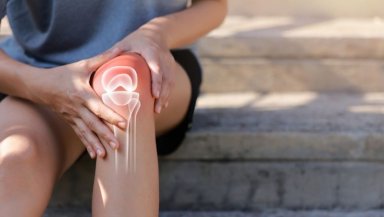
Climbing stairs is one of the most common situations where knee pain becomes noticeable. Many people feel completely fine while walking on flat ground, but the moment they climb up or down stairs, discomfort begins.
This happens because stair movement puts more pressure on the knee joint compared to normal walking. When you climb stairs, your knee has to support a much larger portion of your body weight. The joint bends deeply, and the muscles around it work harder to lift your body upward.
If there is even a small problem inside the knee, this extra stress makes it more noticeable.
What is happening inside your knee during this movement
The knee joint is made up of bones, cartilage, ligaments, and fluid that allows smooth movement. When you climb stairs, the cartilage between the bones acts as a cushion and helps the joint move without friction.
If this cartilage starts to wear down, even slightly, the smooth movement is affected. The bones may begin to rub more than usual, and the surrounding tissues may become irritated.
At the same time, inflammation can develop inside the joint. This increases sensitivity and makes the knee react to pressure more strongly. As a result, movements like climbing stairs become uncomfortable.
Early warning sign of joint problems
Pain while climbing stairs is often one of the earliest signs of knee joint problems, especially osteoarthritis. It may start as a mild discomfort and gradually become more noticeable over time.
Many people ignore this symptom because it only appears during specific activities. However, this pattern is important because it shows that the joint is struggling under increased load.
Recognizing this early sign can help prevent further damage and allow timely treatment.
Why going downstairs can feel worse
Interestingly, many people report that going downstairs is more painful than going up. This happens because the knee has to control movement while lowering the body.
During this action, the joint experiences even greater pressure. The muscles must work harder to stabilize the knee, and the cartilage absorbs more force.
If the joint is already inflamed or worn, this added pressure makes the pain feel sharper or more intense.
Common conditions linked to stair-related knee pain
Several conditions can cause knee pain during stair climbing, but one of the most common is early osteoarthritis. In this condition, the cartilage gradually wears down, and inflammation develops inside the joint.
Another possible cause is irritation of the tissues around the kneecap. This can happen due to overuse, muscle imbalance, or poor alignment of the joint.
In some cases, previous minor injuries that were never fully treated can also contribute to discomfort during movement.
Understanding the cause is important because treatment depends on what is happening inside the knee.
Why rest does not always fix the problem
Many people assume that resting the knee will solve the issue. While rest can reduce temporary irritation, it does not always address the underlying problem.
If the pain is caused by ongoing inflammation or cartilage wear, the condition may persist even after rest. This is why the pain often returns when normal activities are resumed.
Relying only on rest or occasional medication can delay proper treatment and allow the condition to progress.
How lifestyle affects stair-related knee pain
Daily habits play a significant role in how the knee responds to stress. Sitting for long hours can weaken the muscles that support the knee, making it less stable during movement.
Sudden increases in physical activity, such as starting exercise after a long break, can also strain the joint.
Excess body weight adds extra pressure on the knees, especially during activities like climbing stairs. This increases the load on the joint and accelerates wear.
Improving muscle strength and maintaining a healthy weight can reduce stress on the knee and improve symptoms.
When should you start worrying
Not every instance of knee pain is serious, but certain signs should not be ignored. If the pain is persistent, worsening, or affecting your daily routine, it needs attention.
Swelling, stiffness, or a feeling of instability in the knee are also important warning signs. If you find yourself avoiding stairs or changing how you move to reduce pain, it is time to seek medical advice.
Early evaluation helps identify the cause and prevents the condition from becoming more severe.
How doctors diagnose the problem
Doctors begin by understanding your symptoms and how they affect your daily activities. They may ask when the pain occurs, how long it lasts, and what movements trigger it.
A physical examination helps assess joint movement, strength, and areas of tenderness. Imaging tests such as X-rays or MRI scans may be used to look at the condition of the cartilage and surrounding structures.
This process helps determine whether the pain is due to early osteoarthritis or another condition.
Where genicular artery embolization helps
When knee pain is linked to inflammation, treatments like genicular artery embolization can be considered. GAE targets the abnormal blood vessels that contribute to inflammation in the knee.
By reducing this blood flow, the procedure helps decrease inflammation and pain signals. This leads to improved comfort during activities such as climbing stairs.
Unlike surgery, GAE does not involve replacing the joint. It focuses on managing pain and improving function while preserving the natural structure of the knee.
This makes it a suitable option for patients who want to delay or avoid knee replacement.
Emotional impact of movement-related pain
Knee pain during simple activities like climbing stairs can be frustrating. It affects independence and can make everyday tasks feel difficult.
Many people feel concerned when they notice that something as basic as using stairs becomes uncomfortable. This can lead to anxiety about long-term joint health.
Understanding the cause and knowing that effective treatments are available can provide reassurance and confidence.
Looking at the bigger picture
Pain during stair climbing is not just a minor inconvenience. It is often an early signal that the knee joint needs attention.
Ignoring it may allow the condition to progress, leading to more persistent pain and reduced mobility. Addressing the issue early helps maintain joint function and overall quality of life.
Conclusion
Knee pain while climbing stairs is often an early sign of joint stress or inflammation, commonly linked to osteoarthritis. While it may seem minor at first, it should not be ignored if it persists. Understanding the cause allows you to choose the right treatment and prevent further damage. Options like genicular artery embolization provide a non-surgical way to reduce pain and improve movement. If stair climbing is becoming uncomfortable, consult a specialist and take the first step toward better knee health.