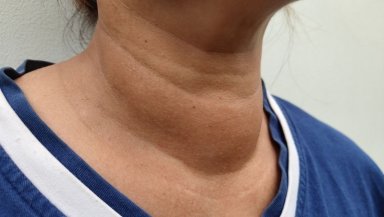
Will My Voice Change After Goiter Treatment? What TAE Patients Should Know
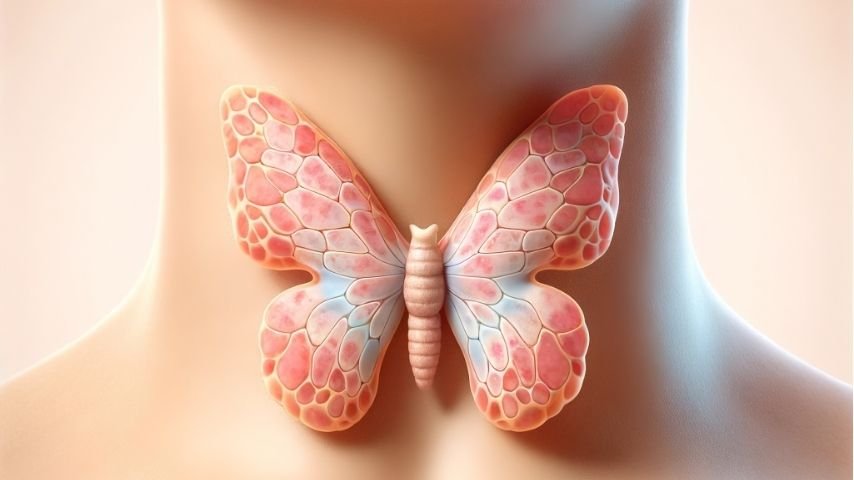
Medicine made simple summary
Thyroid Artery Embolization (TAE) is a minimally invasive procedure used to shrink an enlarged thyroid gland without removing it. A thin tube is inserted through a blood vessel and guided to the thyroid arteries, where tiny particles are released to reduce blood flow to the gland. This causes the thyroid to shrink gradually over time. Because the gland is not surgically removed and nearby nerves are not directly disturbed, the risk of voice changes is generally lower compared to traditional surgery.
Why voice changes are a common concern
One of the biggest fears patients have before any thyroid treatment is whether their voice will change. This concern is completely valid because the thyroid gland is located very close to the nerves that control the voice.
Many people rely on their voice for daily communication, work, or social interaction. Even a small change in tone, strength, or clarity can feel significant. Because of this, patients often hesitate or delay treatment due to fear of voice-related complications.
Understanding how the thyroid and voice are connected helps reduce this anxiety and allows patients to make more informed decisions.
How the thyroid is connected to your voice
The thyroid gland sits in the front of the neck, just below the voice box. Very close to it are important nerves that control the vocal cords. These nerves help you speak, control pitch, and maintain the strength of your voice.
When the thyroid enlarges, it can sometimes press on these nearby structures. This pressure may already cause subtle voice changes even before treatment. Some people notice mild hoarseness or voice fatigue without realizing it is linked to the goiter.
This close relationship between the thyroid and voice is the reason why voice changes are discussed so often in thyroid treatments.
Voice changes before any treatment
It is important to understand that voice changes are not always caused by treatment. In many cases, the goiter itself can affect the voice.
As the thyroid enlarges, it may put pressure on the vocal cords or surrounding nerves. This can lead to a slightly hoarse voice, reduced vocal strength, or a feeling of strain while speaking.
These changes are usually gradual and may not be obvious at first. Some people only notice them when they compare their voice over time.
Recognizing this helps separate symptoms caused by the condition from those related to treatment.
How surgery can affect the voice
In traditional thyroid surgery, the gland is partially or completely removed. During this process, the surgeon works very close to the nerves that control the voice.
Although surgeons take great care to protect these nerves, there is still a small risk of irritation or injury. This can lead to temporary or, in rare cases, long-term voice changes.
Patients may experience hoarseness, a weak voice, or difficulty speaking loudly. In most cases, these changes improve over time, but the possibility of voice impact is one of the main concerns with surgery.
Why TAE has a lower risk of voice changes
Thyroid artery embolization works differently from surgery. It does not involve cutting or removing the thyroid gland. Instead, it reduces the blood supply to the gland, causing it to shrink gradually.
Because there is no direct manipulation of the thyroid or nearby nerves, the risk of damaging the vocal nerves is significantly lower. This is one of the key advantages of TAE.
The procedure is performed through blood vessels, which means the structures responsible for voice are not physically disturbed.
This makes TAE an appealing option for patients who are particularly concerned about preserving their voice.
What patients may feel after TAE
After TAE, some patients may notice temporary changes in their voice. This is usually not due to nerve damage but rather due to mild swelling or inflammation in the area.
The thyroid begins to shrink after the procedure, and during this process, the surrounding tissues may feel slightly irritated. This can create a temporary sensation of tightness or mild hoarseness.
These changes are usually short-lived and improve as the body heals. Most patients find that their voice returns to normal within a few days to weeks.
When voice improvement can happen
Interestingly, some patients notice an improvement in their voice after treatment. If the goiter was pressing on the vocal cords or nearby structures, reducing its size can relieve that pressure.
As the thyroid shrinks, the space around the voice box becomes less restricted. This can make speaking feel more comfortable and natural.
This improvement is gradual and may become more noticeable over time as the gland continues to reduce in size.
What symptoms should not be ignored
While most voice changes after TAE are mild and temporary, certain symptoms should be evaluated by a doctor. Persistent hoarseness, difficulty speaking, or a voice that does not improve over time should not be ignored.
It is important to monitor how your voice feels during recovery. If something feels unusual or continues beyond the expected recovery period, medical advice should be sought.
Early evaluation helps ensure that any concerns are addressed promptly.
Emotional impact of voice concerns
The fear of losing or changing your voice can be emotionally stressful. It can affect confidence and create hesitation about treatment.
Understanding the actual risks and how TAE works helps reduce this fear. Knowing that the procedure avoids direct contact with voice-related nerves provides reassurance.
Patients often feel more comfortable proceeding with treatment when they have clear and accurate information.
How doctors reduce risk further
Before recommending TAE, doctors carefully evaluate the thyroid and surrounding structures. Imaging tests help understand the size and position of the goiter.
During the procedure, precision is maintained to ensure that only the targeted blood vessels are treated. This careful approach helps protect nearby structures, including those involved in voice function.
Follow-up care also plays an important role in monitoring recovery and addressing any concerns early.
Looking at the bigger picture
Voice changes are a valid concern in any thyroid treatment, but the level of risk varies depending on the method used. TAE offers a way to treat goiter while minimizing the risk to voice-related nerves.
Understanding how the procedure works and what to expect helps patients feel more confident in their decision.
The goal is not only to treat the goiter but also to preserve quality of life, including clear and comfortable speech.
Conclusion
Voice changes after goiter treatment are a common concern, but with thyroid artery embolization, the risk is generally low. Most changes, if they occur, are temporary and improve as the body heals. In some cases, reducing the size of the goiter can even improve voice comfort. If you are considering treatment, discuss your concerns with your doctor and understand your options clearly. Choosing the right approach helps you protect both your health and your confidence.
References and Sources
Mayo Clinic – Thyroid surgery and voice risks