Why Does My Knee Hurt Even When I’m Not Injured? Could It Be Early Osteoarthritis?
Medicine made simple summary
Genicular Artery Embolization (GAE) is a minimally invasive procedure used to reduce knee pain caused by osteoarthritis. Instead of surgery, doctors insert a thin tube through a blood vessel and guide it to the arteries around the knee. Tiny particles are released to reduce abnormal blood flow linked to inflammation and pain. Over time, this helps reduce discomfort and improve movement. GAE does not involve cutting or replacing the joint, making it a treatment option for people looking to manage knee pain without major surgery.
Understanding why knee pain happens without injury
Many people believe that knee pain only happens after a fall, accident, or sports injury. However, knee pain can develop slowly without any clear cause. This can feel confusing, especially when the pain starts affecting daily activities like walking, climbing stairs, or even sitting for long periods.
The knee is one of the most used joints in the body. Every step, turn, and movement puts pressure on it. Over time, this repeated use can lead to wear and tear, even if you have never had an injury. This gradual process is one of the most common reasons for unexplained knee pain.
What is early osteoarthritis
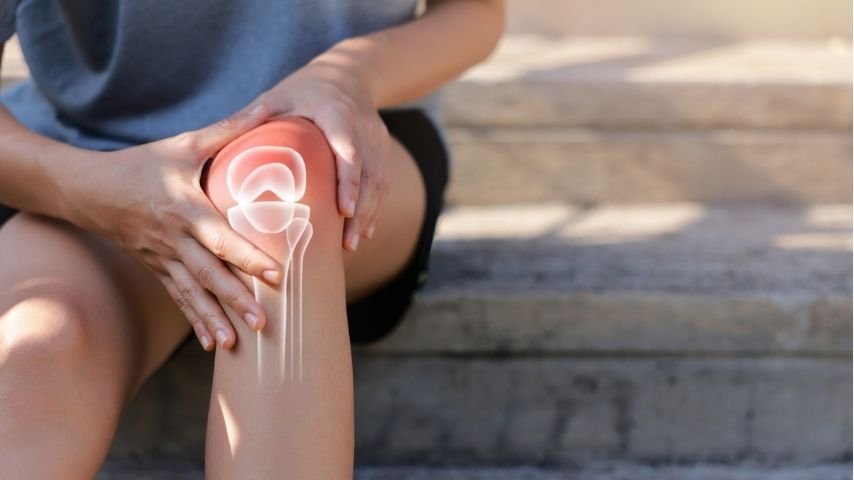
Early osteoarthritis is one of the most common causes of knee pain without injury. It is a condition where the protective cartilage in the joint starts to wear down slowly.
Cartilage acts like a cushion between the bones. It allows smooth movement and absorbs shock when you walk or run. When this cartilage begins to thin out, the bones start to rub against each other slightly. This creates discomfort, stiffness, and inflammation.
In the early stages, the damage is not severe. This is why many people ignore the symptoms or think the pain will go away on its own.
Why pain starts even before serious damage
One of the most surprising things about early osteoarthritis is that pain can begin even before major joint damage occurs. This happens because of inflammation inside the knee.
As the joint starts to change, the body reacts by increasing blood flow to the area. This leads to swelling and irritation of the tissues around the knee. The nerves in this region become more sensitive, which causes pain even during simple movements.
This is why you may feel discomfort even when your scans do not show severe damage.
Common signs people ignore
Early knee pain is often subtle. It may feel like stiffness in the morning or after sitting for a long time. Some people notice a dull ache after walking or standing for extended periods.
There may also be a slight clicking or grinding sensation when bending the knee. These sounds are usually painless but indicate changes inside the joint.
Because these symptoms are mild, many people ignore them or assume they are temporary. Over time, however, the discomfort may become more frequent.
Why knee pain feels worse during certain activities
You may notice that your knee hurts more during specific activities such as climbing stairs, squatting, or getting up from a chair. This happens because these movements put extra pressure on the joint.
When the cartilage is not as strong as it used to be, the joint struggles to handle this pressure smoothly. The surrounding tissues become irritated, leading to pain.
Even activities like walking downhill or standing for long periods can increase discomfort. These patterns are often early signs of joint changes.
How age and lifestyle play a role
Knee pain is not limited to older adults. Many people in their 30s and even late 20s experience early signs of joint wear.
Lifestyle factors play a big role in this. Sitting for long hours, lack of physical activity, or sudden intense exercise can all affect knee health.
Being overweight adds extra pressure on the knees, which accelerates wear and tear. Weak muscles around the knee also reduce support, making the joint more vulnerable.
These factors combined can lead to pain even without any injury.
Why rest and basic treatment may not solve the problem
Many people try to manage knee pain with rest, pain relief medications, or home remedies. While these may provide temporary relief, they do not address the underlying cause.
The inflammation inside the knee may continue, and the joint changes may progress slowly. This is why the pain often returns after a few days or weeks.
Understanding that the problem is ongoing rather than temporary helps in choosing the right treatment approach.
How doctors identify early osteoarthritis
When you visit a doctor, they will start by understanding your symptoms and daily activities. A physical examination helps assess movement, stiffness, and pain points.
Imaging tests such as X-rays or MRI scans may be used to look at the joint. In early stages, these tests may show minimal changes, which can sometimes make diagnosis challenging.
Doctors also consider patterns of pain and how it affects your routine. This helps confirm whether osteoarthritis is the cause.
Where genicular artery embolization fits in treatment
When knee pain persists despite basic treatment, procedures like genicular artery embolization may be considered. GAE focuses on reducing inflammation rather than replacing the joint.
In osteoarthritis, certain blood vessels around the knee become overactive and contribute to inflammation. GAE targets these vessels and reduces their activity.
By limiting this abnormal blood flow, the procedure helps decrease pain signals and inflammation. Over time, this leads to improved comfort and mobility.
It is a suitable option for patients who want to delay or avoid knee replacement surgery.
Emotional impact of ongoing knee pain
Living with knee pain can be frustrating, especially when there is no clear injury to explain it. It can affect daily activities, work, and even simple tasks like walking or climbing stairs.
Many people feel confused or worried when the pain keeps returning. Understanding the cause helps reduce this uncertainty and allows better decision-making.
Taking early action can prevent the condition from affecting quality of life further.
Looking at the bigger picture
Knee pain without injury is often a sign of early joint changes rather than a temporary issue. Ignoring it may lead to worsening symptoms over time.
Understanding the role of inflammation, lifestyle, and joint health helps in managing the condition effectively.
Early treatment does not always mean surgery. Options like GAE provide a way to manage pain while preserving the natural joint.
Conclusion
If your knee hurts even without an injury, it may be an early sign of osteoarthritis. Paying attention to symptoms and seeking medical advice early can make a significant difference. Treatments like genicular artery embolization offer a non-surgical way to manage pain and improve movement. If knee pain is affecting your daily life, consult a specialist and explore the options available to you. Early action helps you stay active and maintain your quality of life.