What Does Thyroid Artery Embolization Feel Like? Real Patient Experiences Explained

Medicine made simple summary
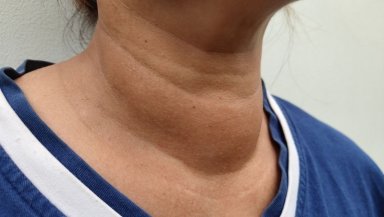
Thyroid Artery Embolization (TAE) is a minimally invasive procedure used to shrink an enlarged thyroid gland without removing it. A thin tube is inserted through a blood vessel in the wrist or groin and guided to the thyroid arteries. Tiny particles are released to reduce blood flow to the enlarged tissue. This causes the thyroid to shrink gradually over time. The procedure does not involve large cuts or stitches, and most patients experience a quicker recovery compared to surgery while still achieving relief from swelling and pressure.
Why patients ask this question so often
When people hear about a new or less familiar procedure like thyroid artery embolization, their first concern is not just whether it works, but what it actually feels like. Medical descriptions often sound technical and do not explain the real experience from a patient’s point of view.
Many patients are not afraid of the treatment itself, but of the unknown. They want to know if it will hurt, how long it takes, and what recovery feels like in real life. Understanding the actual experience helps reduce anxiety and makes the decision easier.
What happens before the procedure
Before the procedure begins, patients are usually asked to come on an empty stomach. Basic tests and imaging are reviewed to confirm the treatment plan. The medical team explains the steps and answers any last-minute questions.
You are not fully asleep like in major surgery. Instead, you are awake but relaxed with the help of medication. This allows you to stay comfortable while still being aware of your surroundings.
The area where the tube will be inserted, usually the wrist or groin, is cleaned and numbed. This is often the part patients worry about, but it usually feels like a small injection followed by a brief sensation of pressure.
What the procedure feels like during treatment
Once the area is numb, a thin tube is inserted into the blood vessel. Most patients do not feel pain during this step, but they may notice a slight pushing or pressure sensation.
As the doctor guides the tube toward the thyroid using imaging, there is usually no noticeable feeling inside the body. This surprises many patients, as they expect to feel movement.
When the tiny particles are released to block blood flow, some patients feel a warm sensation or mild discomfort in the neck area. This is not sharp pain but more like a dull or unusual feeling.
The procedure typically takes about one to two hours. During this time, patients remain comfortable and are monitored closely.
What happens immediately after the procedure
After the procedure is completed, patients are moved to a recovery area where they are observed for a few hours. This is when the body begins to respond to the treatment.
The most common feeling is cramping or discomfort in the neck. This happens because the thyroid is reacting to the reduced blood supply. The sensation is often described as a deep pressure or tightness rather than sharp pain.
Some patients may also feel tired or slightly nauseous. These symptoms are temporary and usually improve within a short time.
Most patients can go home the same day or after a short stay, depending on the doctor’s advice.
The first few days after TAE
The first two to three days after the procedure are when most of the noticeable symptoms occur. The body is adjusting to the changes in blood flow to the thyroid.
Patients often describe a feeling of soreness or pressure in the neck. It may feel similar to having a tight muscle or mild swelling. Pain is usually manageable with medication.
Fatigue is also common during this period. The body is using energy to respond to the treatment and begin the healing process.
Some patients may experience a low-grade fever or a general feeling of being unwell. This is part of the body’s natural response and usually settles within a few days.
How recovery feels after the first week
By the end of the first week, most patients notice a clear improvement in how they feel. The discomfort reduces, and energy levels begin to return.
The neck may still feel slightly sensitive, but the intense pressure or soreness usually fades. Daily activities become easier, and many patients feel ready to return to work or routine tasks.
Unlike surgery, there are no stitches or large wounds to heal. This makes recovery feel less restrictive and more manageable.
When patients start noticing results
The results of thyroid artery embolization are not immediate. The thyroid shrinks gradually over weeks and months.
Patients may begin to notice a reduction in swelling within a few weeks. The neck may feel lighter, and the pressure symptoms may improve.
Visible changes take more time. As the gland continues to shrink, the appearance of the neck becomes more natural.
This gradual improvement is often reassuring because it feels like steady progress rather than a sudden change.
How patients describe the overall experience
Many patients describe the experience as easier than they expected. The idea of a procedure involving blood vessels may sound intimidating, but the actual process is often comfortable.
The most common feedback is that the discomfort after the procedure is manageable and temporary. Compared to surgery, the recovery feels shorter and less intense.
Patients also appreciate that there are no visible scars and that they can return to normal life relatively quickly.
The gradual improvement in symptoms adds to the overall positive experience.
Emotional experience before and after the procedure
Before the procedure, it is common to feel nervous or uncertain. This is especially true for patients who have never undergone a similar treatment.
After the procedure, most patients feel relieved once they realize that the discomfort is temporary and manageable. As symptoms improve, confidence increases.
Understanding what to expect plays a major role in reducing anxiety and improving the overall experience.
When to contact your doctor
While most patients recover without issues, it is important to stay aware of your body. If you experience severe pain, high fever, or unusual symptoms, you should contact your doctor.
Regular follow-up appointments help ensure that the thyroid is shrinking as expected and that recovery is progressing well.
Looking at the bigger picture
Thyroid artery embolization is not just about the procedure itself. It is about improving quality of life. The goal is to reduce swelling, relieve pressure, and help patients feel more comfortable in their daily lives.
Understanding the real experience helps set realistic expectations. It allows patients to approach the treatment with confidence rather than fear.
Conclusion
Thyroid artery embolization is generally a comfortable and manageable procedure, with most discomfort occurring in the first few days after treatment. The experience is often easier than patients expect, especially compared to surgery. If you are considering this treatment, talk to your doctor and understand each step clearly. Knowing what to expect helps you feel prepared and confident, making the entire process smoother and less stressful.
References and Sources
Mayo Clinic – Thyroid conditions
Society of Interventional Radiology