Thyroid Artery Embolization vs Surgery: Which Option Fits Your Life Better?
Medicine made simple summary
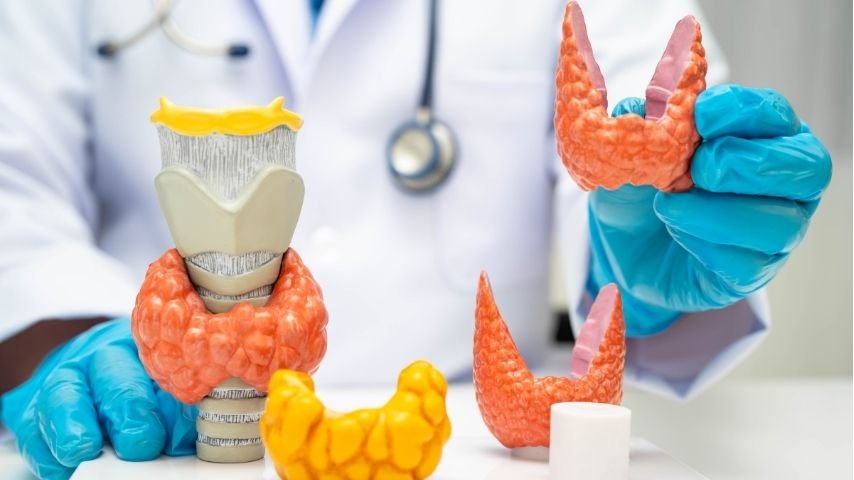
Thyroid Artery Embolization (TAE) is a minimally invasive procedure used to shrink an enlarged thyroid gland without removing it. A thin tube is inserted through a blood vessel, and tiny particles are released to reduce blood flow to the thyroid. This causes the gland to shrink gradually over time. Unlike surgery, there are no large cuts or stitches, and recovery is usually faster. TAE is becoming an alternative option for patients who want to avoid surgery while still effectively treating goiter symptoms.
Understanding why treatment decisions feel difficult
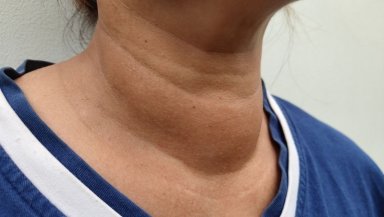
When someone is diagnosed with a goiter that needs treatment, the biggest question is often which option to choose. The two most common approaches are surgery and thyroid artery embolization. Both aim to reduce the size of the thyroid and relieve symptoms, but they work in very different ways.
This decision can feel overwhelming because it is not just about medical outcomes. It also involves lifestyle, recovery time, comfort, and personal preferences. Many patients are unsure whether to choose a traditional surgical approach or a newer, less invasive option.
Understanding both treatments clearly helps remove confusion and makes the decision easier.
How thyroid surgery works
Thyroid surgery, often called thyroidectomy, involves removing part or all of the thyroid gland. This is done through an incision in the front of the neck.
The procedure is performed under general anesthesia, meaning you are completely asleep during the operation. The surgeon carefully removes the affected part of the gland while protecting nearby structures such as nerves and blood vessels.
Surgery provides a direct and immediate solution. The enlarged tissue is removed, which quickly reduces the size of the goiter and relieves pressure symptoms.
However, because it is a major procedure, it involves a longer recovery period and certain risks that need to be considered.
How thyroid artery embolization works
Thyroid artery embolization takes a completely different approach. Instead of removing the thyroid, it reduces its size by cutting off the blood supply that feeds the enlarged tissue.
A doctor inserts a thin tube into a blood vessel, usually in the wrist or groin, and guides it to the arteries supplying the thyroid. Tiny particles are then released to block blood flow to the enlarged areas.
Without enough blood, the thyroid tissue gradually shrinks over time. This leads to a reduction in swelling and improvement in symptoms.
The procedure does not require large cuts or stitches, and most patients recover much faster compared to surgery.
Comparing recovery experience
Recovery is one of the biggest differences between these two options. After surgery, patients usually need several days to weeks to recover fully. There may be pain at the incision site, and physical activity may be limited during the healing period.
There is also a visible scar on the neck, which may take time to fade. Some patients may need to take thyroid hormone replacement medication for life, especially if the entire gland is removed.
In contrast, recovery after thyroid artery embolization is usually quicker. Most patients can return to normal activities within a few days. There are no large scars, and the physical impact on the body is less intense.
However, the results of TAE are gradual, while surgery provides immediate reduction in size.
Understanding risks and safety
Both treatments are generally safe when performed by experienced doctors, but they carry different types of risks.
Surgery involves risks related to anesthesia, infection, and bleeding. There is also a small risk of damage to the nerves that control the voice, which can lead to changes in speaking.
Thyroid artery embolization avoids many of these surgical risks because it does not involve open surgery. However, it may cause temporary symptoms such as pain, swelling, or mild fever as the thyroid shrinks.
The choice often depends on which type of risk feels more manageable for the patient.
Effectiveness and long-term results
Surgery is considered a definitive treatment because it removes the thyroid tissue completely. This means the goiter will not return in the same way, although it may require lifelong hormone replacement.
TAE is effective in reducing the size of the goiter and relieving symptoms, but it does not remove the gland entirely. The thyroid continues to function, which is beneficial for many patients.
Over time, the treated gland shrinks, and symptoms improve significantly. However, because the thyroid remains, there is still a possibility of future changes.
Both options can provide long-term relief, but they achieve it in different ways.
How lifestyle factors influence the decision
Choosing between TAE and surgery is not only about medical outcomes. Lifestyle plays an important role.
Patients who prefer a quicker recovery and want to avoid visible scars often lean toward thyroid artery embolization. It allows them to return to work and daily activities sooner.
Those who want an immediate solution or have very large goiters causing severe symptoms may prefer surgery.
Personal comfort with procedures, fear of surgery, and overall health also influence the decision.
Who may benefit more from TAE
TAE is often suitable for patients who want a less invasive option. It is also helpful for those who may not be ideal candidates for surgery due to other health conditions.
Patients who are concerned about scarring or long recovery times may find this option more appealing.
It is particularly useful for reducing symptoms while preserving the thyroid gland.
Who may need surgery instead
Surgery may be recommended in cases where the goiter is very large or causing significant pressure on the airway. It is also considered when there is a need for complete removal of the gland.
If there are concerns about the nature of nodules or if rapid resolution is required, surgery may be the preferred option.
The decision depends on medical evaluation and individual needs.
Emotional aspect of choosing treatment
Making a decision about treatment can be stressful. Patients often worry about risks, recovery, and long-term outcomes.
Having clear information about both options helps reduce anxiety. It allows patients to focus on what matters most to them, whether it is faster recovery, long-term certainty, or preserving the thyroid.
Talking openly with a doctor and asking questions can make the process more comfortable.
Looking at the bigger picture
Both thyroid artery embolization and surgery are effective treatments for goiter. The choice is not about which one is better overall, but which one is better for your situation.
Understanding your symptoms, health condition, and personal preferences helps guide the decision.
The goal is to choose a treatment that not only solves the medical problem but also fits your lifestyle and comfort.
Conclusion
Choosing between thyroid artery embolization and surgery depends on your symptoms, health condition, and personal priorities. Both options can effectively treat goiter, but they differ in approach, recovery, and long-term impact. If you are unsure which option is right for you, consult a specialist and discuss your concerns openly. Understanding your choices helps you make a confident decision that supports both your health and your lifestyle.
References and Sources