Uterine Fibroids vs Uterine Embolization (UFE): What It Is and When It’s Considered

Medicine Made Simple Summary
Uterine fibroids are non-cancerous growths in the uterus that can cause heavy periods, pain and pressure. Traditionally, surgery was the main treatment. Uterine embolization, also called UFE, is a modern alternative that treats fibroids without an operation. It works by cutting off the blood supply to fibroids so they gradually shrink and symptoms improve. This guide explains fibroids, how embolization works, who it helps and when doctors recommend it. It is designed to help patients and families understand the difference clearly and make informed decisions about treatment.
Understanding uterine fibroids in everyday terms
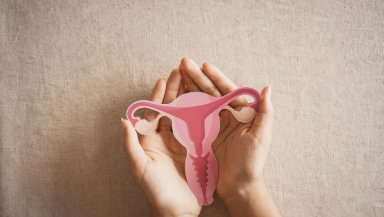
Fibroids are lumps that grow in or around the uterus. They are not cancer, but they can change the way the body feels and functions. Some women never notice fibroids. Others struggle for years without realising fibroids are the cause. The size, number and location of fibroids decide how serious the symptoms become. A fibroid pressing on the bladder feels very different from one growing deep inside the uterus.
Common problems caused by fibroids include:
- Heavy or prolonged periods
- Lower abdominal pain or pressure
- Bloating that does not go away
- Frequent urination
- Tiredness caused by low blood levels
- Difficulties getting pregnant or repeated miscarriages
Fibroids usually grow during the reproductive years. Hormones such as estrogen and progesterone encourage them to grow. Family history also plays a role. If a mother or aunt had fibroids, the likelihood increases. Many women ignore symptoms for too long because they believe painful or heavy periods are normal. In reality, they often signal an underlying problem that deserves attention.
Traditional treatment approach and why many women hesitate
For a long time, surgery has been the standard treatment for fibroids. Doctors either remove individual fibroids or remove the uterus entirely. These methods work but they come with physical and emotional impact.
Women often worry about:
- Long hospital stays
- Scars and pain after surgery
- Time away from work and family responsibilities
- Losing the uterus when fibroids are not cancer
- Fear of complications
For many women, the idea of surgery feels overwhelming. The emotional impact of losing the uterus is often greater than doctors realise. Some women feel their identity or femininity is affected. Others are not ready to make such a permanent decision. This gap between needing treatment and fearing surgery is what led doctors to explore safer, less invasive options like embolization.
What is uterine embolization and how it actually works
Uterine embolization treats fibroids from the inside through blood vessels rather than through surgery. Fibroids grow because they receive blood. Take away the blood supply and they begin to shrink naturally.
During the procedure, the doctor inserts a tiny tube into a blood vessel in the leg or wrist. With the help of imaging, the tube is guided to the arteries that feed the fibroids. Fine particles are released through the tube. These particles block blood flow only to the fibroids, not to the healthy uterus. Over time, the fibroids shrink just like plants without water.
What embolization does:
- Shrinks fibroids gradually
- Reduces heavy bleeding
- Relieves pressure on organs
- Preserves the uterus
- Avoids large surgical cuts
The uterus continues to function normally while fibroids lose strength and reduce in size.
How embolization is different from surgery
Surgery removes fibroids physically. Embolization disables them biologically by cutting off nourishment.
Key differences:
- UFE does not require open surgery
- There are no scars on the abdomen
- Hospital stay is shorter, usually one night
- Return to normal activity is faster
- The uterus is preserved
Embolization uses modern imaging and precision medicine. The doctor works through a needle-sized entry point rather than opening the body. The approach feels gentler and safer to many women.
When doctors recommend embolization
Doctors suggest embolization when fibroids interfere with daily life and less invasive treatments are appropriate.
UFE is often considered when:
- Periods are extremely heavy
- Pain or pressure affects day-to-day comfort
- Fibroids cause frequent urination or constipation
- Medication no longer helps
- A woman wishes to keep her uterus
- Surgery carries high health risk
However, embolization is not advised in every case. Women who are pregnant, have pelvic infections or have possible cancer need different treatment. Doctors assess eligibility using scans and medical history before recommending UFE.
What the procedure feels like
Most women are awake but relaxed during embolization. The area where the tube enters is numbed. The procedure itself is painless. After the blood supply is blocked, cramps begin as fibroids start shrinking. This discomfort is controlled with medication.
Most patients:
- Go home within 24 hours
- Walk around the same day
- Experience cramping for a few days
- Return to routine work within a week
There is no large wound and no stitches.
Recovery and healing process
The first few days after the procedure may involve:
- Cramping
- Low-grade fever
- Tiredness
- Loss of appetite
This phase is temporary. Over weeks, bleeding reduces, pain settles and the abdomen feels lighter. Fibroids continue shrinking for several months. Many women report steady improvement with each menstrual cycle.
Fertility questions women worry about
Uterine embolization is not officially classified as a fertility treatment. However, pregnancy after UFE is possible for some women. Doctors carefully assess age, fibroid location and uterine health before recommending treatment. Women planning children in the future must discuss options thoroughly with specialists. While some women conceive successfully, others may need fertility support later. What matters is personal medical advice, not general statements.
Fibroids and embolization compared simply
Fibroids are abnormal growths. Embolization is a targeted solution. Fibroids disrupt life. Embolization restores comfort. Fibroids grow with blood. Embolization shuts down that supply. Surgery cuts. Embolization blocks. Understanding this simple distinction helps women choose confidently.
Final thoughts
Uterine embolization has changed the treatment conversation for thousands of women. It gives power back to patients who once thought surgery was unavoidable. It does not replace surgery in every situation, but it offers a meaningful alternative. When women know all their options, healthcare becomes a partnership instead of a command.
Conclusion
If you are experiencing fibroid symptoms, do not settle for discomfort. Consult a specialist who can explain all available treatments, including embolization. The right choice today can protect your comfort and confidence for years.
References and Sources
RadiologyInfo.org – Uterine Fibroid Embolization explained
NHS UK – Fibroids and treatment options
Society of Interventional Radiology – Patient education resources