Your First Bowel Movement After Hemorrhoidectomy: How to Prepare, Control Pain and Avoid Constipation
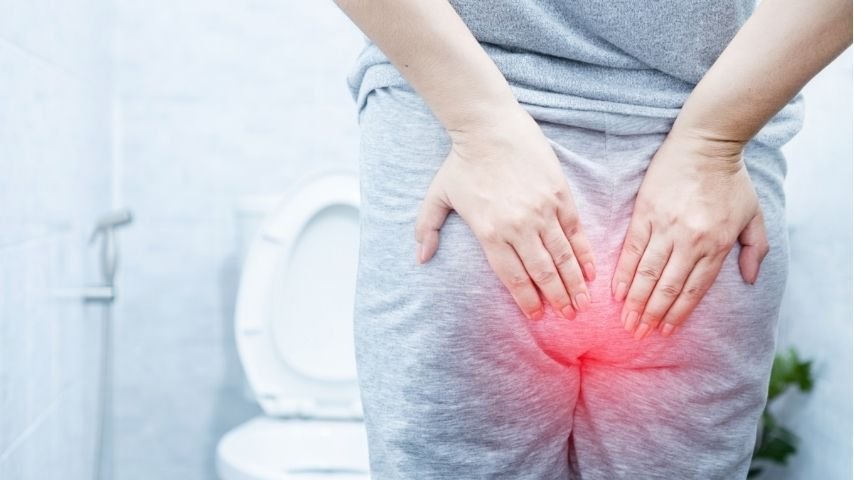
Medicine Made Simple Summary
The first bowel movement after hemorrhoidectomy can be uncomfortable because the surgical area is healing and highly sensitive. The aim is not to avoid passing stool, but to make it soft and easy to pass without straining. Doctors commonly recommend adequate fluids, fibre and prescribed laxatives or stool softeners after surgery. Pain medicine should be taken according to your surgeon’s instructions, and a warm sitz bath may provide additional comfort. Most surgeons expect a bowel movement within the first 48 hours, although the exact timing can vary between patients.
Introduction
For many people preparing for hemorrhoidectomy, the operation itself is not the part they fear most.
It is the toilet.
The thought of having the first bowel movement after piles surgery can be frightening. You may wonder whether it will hurt, whether the wound will open, whether you will bleed and whether you should delay going to the toilet for as long as possible.
These concerns are common.
The first bowel movement after hemorrhoidectomy can be painful, particularly during the early recovery period. However, deliberately avoiding bowel movements is usually not the solution. Allowing constipation to develop can make the stool harder and increase the amount of straining required.
The goal after surgery is therefore simple: keep the stool soft, avoid straining and make bowel movements as gentle as possible.
Most colorectal surgeons recommend having a bowel movement within the first 48 hours after hemorrhoid surgery.
With the right preparation, you can make this part of recovery considerably easier.
What Happens During a Hemorrhoidectomy?
Hemorrhoidectomy is a surgical procedure in which problematic hemorrhoidal tissue is removed.
It is generally considered for patients with large, prolapsed or persistent hemorrhoids, particularly when less-invasive treatments have not provided adequate relief.
The operation itself is performed under anaesthesia, so you do not feel the surgical removal.
The discomfort becomes more noticeable as the anaesthetic wears off.
The anus is a sensitive area, and it also has to function normally during recovery. You still need to pass stool, which means the healing area is exposed to movement and pressure.
This is why bowel movements can be one of the most uncomfortable parts of recovery.
Cleveland Clinic notes that the most significant pain after hemorrhoidectomy often occurs with the first bowel movement and generally improves after the first few days.
Why Is the First Bowel Movement So Painful?
After surgery, the tissues around the anus are sore and sensitive.
When stool passes through the anal canal, it can stretch and put pressure on the healing tissues.
You may experience pain, burning, pressure or a temporary increase in discomfort.
You may also see a small amount of blood.
This can be alarming, but some bleeding after hemorrhoidectomy, particularly after a bowel movement, is commonly expected.
The important difference is between mild expected discomfort and symptoms that suggest a complication.
Severe or increasing pain, heavy bleeding, fever or difficulty passing urine should not simply be assumed to be part of normal recovery.
Should You Delay Your First Bowel Movement?
Generally, no.
It is understandable to think that avoiding stool will give the wound more time to heal.
Unfortunately, delaying bowel movements can allow more water to be absorbed from the stool, making it harder.
A hard stool can then be more difficult and painful to pass.
Straining can also increase pressure on the healing area.
This is why colorectal surgeons generally recommend preventing constipation rather than trying to avoid bowel movements.
The objective is to have a soft, easy-to-pass stool without prolonged sitting or pushing.
When Should the First Bowel Movement Happen?
The exact timing is different for every patient.
Some people may pass stool within the first day. Others may take longer depending on their diet, bowel habits, medications, anaesthesia and individual recovery.
Many colorectal surgeons recommend having a bowel movement within the first 48 hours after surgery.
Some hospital guidance states that patients may expect their bowels to open within two to three days.
These are general expectations rather than strict deadlines.
If you have not passed stool and are becoming increasingly uncomfortable, contact your surgeon rather than repeatedly sitting on the toilet and straining.
The Most Important Step: Prevent Constipation
Constipation is one of the biggest problems to avoid after hemorrhoidectomy.
It can happen for several reasons.
You may be eating less than usual because of discomfort. You may be drinking less. You may be less physically active. Anaesthesia and some pain medicines can also affect bowel function.
The combination can result in hard stool.
That is why your surgeon may prescribe a laxative or stool-softening medicine after surgery.
Take the medication exactly as prescribed.
Do not stop it simply because you are worried about having a bowel movement.
If it causes diarrhoea or you are unsure about the dose, contact your healthcare team.
What Should You Eat Before and After Surgery?
Your diet can make a significant difference to your bowel movements.
The general goal is to gradually include enough fibre to produce a soft stool.
Good sources include fruits, vegetables, whole grains, oats, pulses, beans and other fibre-rich foods.
If your diet is normally low in fibre, do not suddenly consume very large amounts immediately after surgery. Increasing fibre gradually may be more comfortable.
Adequate fluids are equally important.
Fibre needs fluid to work effectively. Hospital guidance commonly recommends a high-fibre diet and adequate fluid intake after hemorrhoidectomy to help prevent constipation.
Your surgeon may give you a specific dietary plan, particularly if you have other digestive or medical conditions.
What Foods Should You Avoid?
There is no universal list of foods that every patient must avoid after hemorrhoidectomy.
However, foods that make your bowel movements difficult or cause significant digestive discomfort may not be ideal during the early recovery period.
Very spicy foods may also cause burning during bowel movements for some people.
Cleveland Clinic specifically advises avoiding spicy foods during early hemorrhoidectomy recovery because they can cause burning when passed.
The focus should be on foods that are nutritious, fibre-rich and easy for you to tolerate.
How Much Water Should You Drink?
Adequate hydration is important for preventing constipation.
When you increase fibre but do not drink enough fluids, your stool may not become as easy to pass.
Your exact fluid requirement depends on factors such as your body size, activity, climate and other medical conditions.
Some hospital patient instructions recommend approximately six to ten glasses of water daily after hemorrhoidectomy, but your own surgeon's advice should take priority.
If you have been told to restrict fluids because of another medical condition, do not increase your intake without discussing it with your doctor.
Should You Take a Laxative?
Your surgeon may prescribe one.
Laxatives are commonly used after hemorrhoidectomy to prevent constipation and reduce the need to strain.
Some patients may also be advised to use fibre supplements or stool-softening medicines.
The choice depends on your bowel habits, medications and medical history.
Do not choose a laxative simply because someone else used it successfully.
Different laxatives work in different ways, and some can cause bloating, cramps or diarrhoea.
Follow the medication plan provided by your surgical team.
Should You Take Pain Medicine Before Going to the Toilet?
Your surgeon may recommend timing pain medication so that it is working before a bowel movement.
Some hospital guidance specifically suggests taking prescribed pain relief before attempting the first bowel movement.
The exact timing depends on the medication you have been given.
Do not take extra doses simply because you are afraid of the pain.
Follow the prescribed dose and timing.
If your pain remains severe despite the medication, contact your surgical team rather than increasing the dose yourself.
How Should You Prepare Before Sitting on the Toilet?
Preparation can make the experience less stressful.
Make sure you have enough time and privacy.
Take your prescribed pain medicine according to your doctor's instructions.
Keep the stool-softening or laxative regimen on schedule.
Have a gentle method of cleaning available after the bowel movement.
You may also find it useful to have warm water available for a sitz bath or gentle cleaning if your surgeon has recommended this.
The goal is to avoid rushing and, equally importantly, avoid sitting on the toilet for a long time.
What Should You Do When You Sit on the Toilet?
Try to relax.
Do not push forcefully.
Allow your body to pass the stool naturally.
If it does not come easily, do not sit there for a long time trying to force it.
Prolonged sitting and straining can increase pressure on the surgical area.
Cleveland Clinic advises avoiding prolonged toilet sitting and straining during hemorrhoidectomy recovery.
A small footstool may also help some people adopt a more comfortable position, but use whatever position your surgeon recommends.
What If the Stool Does Not Come Out?
Do not panic.
The feeling that you need to pass stool does not always mean there is stool ready to come out.
After hemorrhoid surgery, swelling and sensitivity around the anus can create a sensation of urgency or the feeling that you need to have a bowel movement.
Some hospital guidance notes that this sensation can continue for a period after surgery.
If you sit on the toilet and nothing happens, do not keep pushing.
Get up, move around gently and follow your prescribed bowel-management plan.
If you have significant constipation or are becoming increasingly uncomfortable, contact your doctor.
What Will the First Bowel Movement Feel Like?
It may hurt.
There is no benefit in pretending otherwise.
You may feel burning, pressure, soreness or sharp discomfort as the stool passes.
The discomfort is usually temporary.
You may also see a small amount of bright-red blood.
Some patients experience more pain during the first bowel movement than they expected, but Cleveland Clinic notes that this pain usually improves after about three days and continues to improve during the following weeks.
Try to focus on allowing the stool to pass rather than forcing it.
Is Bleeding After the First Bowel Movement Normal?
A small amount of bleeding can be normal.
You may see blood on the toilet paper or in the toilet after passing stool.
You may also notice some blood staining on a pad or underwear.
Several hospital sources note that minor bleeding or oozing can occur following hemorrhoidectomy.
However, heavy bleeding is different.
If you are passing a large amount of blood, bleeding continues heavily, you feel faint or weak, or you are concerned about the amount of bleeding, contact your medical team or seek urgent medical care.
Do not assume that heavy bleeding is simply part of the healing process.
How Should You Clean Yourself Afterward?
Cleaning the area gently is important.
Dry toilet paper can be uncomfortable because the surgical area is sensitive.
Guy's and St Thomas' NHS Foundation Trust recommends washing the area with water and gently patting it dry rather than rubbing. A shower, bidet or squeeze bottle can make cleaning easier.
Avoid applying soaps, perfumes or other products directly to the wound unless your surgeon has recommended them.
Some surgeons may recommend alcohol-free wet wipes, but follow the specific instructions given by your healthcare team.
Can a Warm Sitz Bath Help?
For many patients, warm water can be soothing.
A sitz bath involves sitting in warm water for around 10 to 15 minutes.
The ASCRS recommends warm sitz baths two or three times a day for 10 to 15 minutes as part of postoperative comfort measures.
Some patients find a warm bath particularly helpful after passing stool.
Do not add soap, perfume or other substances unless your surgeon specifically recommends them.
The water should be comfortably warm rather than extremely hot.
What If You Feel Like You Need to Pass Stool Again?
This sensation can occur during recovery.
Swelling and sensitivity around the surgical area can create a feeling of urgency even when there is little stool in the rectum.
Plymouth Hospitals NHS Trust notes that a sensation of needing to pass stool without being able to do so can occur after hemorrhoidectomy and advises patients not to sit on the toilet repeatedly trying to pass something that is not there.
If the sensation is persistent or accompanied by worsening pain, constipation or other symptoms, discuss it with your doctor.
Can Walking Help With Bowel Movements?
Gentle walking can be useful during recovery.
You do not need to stay in bed throughout the day unless your doctor has specifically instructed you to do so.
Royal Free London encourages gentle walking after hemorrhoidectomy to promote circulation and reduce the risks associated with prolonged inactivity.
Walking may also help support normal bowel activity.
However, avoid strenuous exercise, heavy lifting and activities that increase pressure around the surgical area until your surgeon says they are safe.
What If Your Pain Medicine Causes Constipation?
This is an important issue.
Some stronger pain medicines can slow bowel movements.
This creates a difficult cycle.
The surgery causes pain, so you need pain medicine. The medicine can contribute to constipation. Constipation makes bowel movements harder. Hard bowel movements increase pain.
This is why your surgeon may prescribe a laxative alongside pain medication.
If you notice that your bowel movements are becoming increasingly difficult after starting a particular pain medicine, contact your healthcare team rather than stopping your pain medicine suddenly.
They may adjust your pain-control plan or bowel regimen.
What Should You Never Do During the First Bowel Movement?
The biggest mistake is forceful straining.
You should also avoid sitting on the toilet for a prolonged period, repeatedly attempting to pass stool when nothing is happening.
Do not insert anything into the anus unless your surgeon has specifically instructed you to do so.
Do not apply creams, ointments or home remedies directly to the surgical wound without medical advice.
Do not increase laxative doses on your own because you are worried about constipation.
Your surgical team knows what procedure was performed and can advise you about what is appropriate for your recovery.
What If You Still Have Not Passed Stool After Two or Three Days?
Contact your healthcare team for advice.
Some patients may take longer than others to have their first bowel movement, and individual hospital instructions vary. However, prolonged constipation after surgery should not be ignored.
Your doctor may adjust your laxative or stool-softening regimen.
Do not repeatedly strain in an attempt to force the bowel movement.
If you have severe abdominal pain, vomiting, significant swelling, inability to pass gas or other concerning symptoms, seek medical attention promptly.
When Is Constipation an Emergency?
Most postoperative constipation is manageable.
However, severe or worsening symptoms require assessment.
Contact your medical team urgently if constipation is accompanied by severe abdominal pain, repeated vomiting, significant abdominal swelling or inability to pass gas.
You should also seek urgent advice for severe anal pain, heavy bleeding, fever or difficulty passing urine.
Cleveland Clinic identifies excessive bleeding, excessive pain, fever, difficulty urinating and difficulty passing stool as reasons to contact your healthcare provider after hemorrhoidectomy.
What Happens After the First Bowel Movement?
The first bowel movement is often the one patients fear most.
Once you have passed stool successfully, you may feel more confident about the rest of the recovery.
However, the next few bowel movements can still be uncomfortable.
Continue the measures that helped with the first one.
Keep your stools soft.
Continue prescribed medicines.
Maintain adequate fluids.
Eat fibre-rich foods.
Avoid straining.
Keep the area clean.
Use warm baths if recommended.
The discomfort should gradually become easier as the wound heals.
How Long Will Bowel Movements Remain Painful?
There is no fixed timeline.
For many patients, the pain is strongest during the first few days and gradually improves.
Royal Free London states that pain is typically most intense during the first few days and improves significantly within two weeks.
Cleveland Clinic similarly notes that most people report the pain has resolved by around two weeks, although overall recovery can take longer.
Some patients may experience discomfort for several weeks.
What matters most is the overall direction.
Pain that is gradually improving is generally more reassuring than pain that is becoming increasingly severe.
Can the Wound Open When You Pass Stool?
Patients often worry that passing stool will undo the surgery.
A bowel movement can cause some discomfort and minor bleeding, but you should not deliberately avoid passing stool because of fear that the wound will open.
The surgical wound is designed to heal while you continue normal bowel function.
The important precaution is to avoid constipation and forceful straining.
Cleveland Clinic specifically notes that excessive straining can split the wound and contribute to more severe bleeding, which is why preventing constipation is important.
Follow your surgeon's instructions regarding wound care.
A Simple Recovery Routine
During the first week, a simple routine can make recovery easier.
Take your prescribed medicines according to schedule. Eat fibre-rich foods and maintain adequate fluid intake. Take prescribed laxatives or stool softeners. Walk gently several times a day if comfortable. When you feel the urge to pass stool, go to the toilet rather than repeatedly delaying it. Avoid straining and prolonged sitting. Clean the area gently with water afterward. Use a warm sitz bath if recommended. Give your body enough time to heal rather than rushing back into strenuous activity.
These measures may sound simple, but they are among the most useful parts of recovery.
When Should You Contact Your Surgeon?
You should contact your surgeon if your pain is severe, worsening or not controlled by prescribed medication.
You should also seek advice if you develop heavy bleeding, fever, increasing redness or swelling, difficulty passing urine or significant constipation.
Difficulty urinating can occur after anorectal surgery because of pain and swelling, and inability to pass urine requires prompt medical attention.
Do not wait for a scheduled follow-up if something feels significantly different from what your surgical team told you to expect.
Final Thoughts
Your first bowel movement after hemorrhoidectomy can be uncomfortable, but it does not need to become the frightening experience many patients imagine.
The most important preparation happens before you sit on the toilet.
Keep your stool soft.
Drink adequate fluids.
Eat appropriate amounts of fibre.
Take prescribed laxatives or stool softeners.
Use pain medication according to your surgeon's instructions.
Avoid straining.
Do not sit on the toilet for long periods.
A small amount of bleeding after the first bowel movement can be expected, but heavy bleeding is not something to ignore.
The pain should gradually become easier to manage as the tissues heal.
Remember that the first bowel movement is only one part of the recovery process. The discomfort is temporary, while the purpose of hemorrhoidectomy is to provide lasting relief from problematic hemorrhoids.
If you are preparing for surgery, ask your surgeon specifically about your bowel-management plan before you leave the hospital. Knowing which laxative to take, when to take your pain medication and how to manage the first bowel movement can make you feel much more confident during recovery.
Call to Action
If you have been advised to undergo hemorrhoidectomy and are worried about the first bowel movement, discuss your concerns with your colorectal or general surgeon before the procedure. Ask about pain control, stool softeners, diet, fluid intake and what symptoms should prompt you to call the hospital. Proper preparation can make the first few days after piles surgery more comfortable and help you recover with greater confidence.
References and Sources