Laser Fistula Surgery Recovery: How Much Pain and Drainage Is Normal After FiLaC?
Medicine Made Simple Summary
FiLaC, or Fistula-tract Laser Closure, is a minimally invasive procedure used to treat selected anal fistulas while preserving the sphincter muscles. Recovery is often relatively quick, but mild soreness, a small amount of discharge or minor bleeding can occur during the healing period. The amount and duration of drainage can vary between patients and depend on the fistula and treatment. Increasing pain, swelling, fever, heavy bleeding or foul-smelling discharge should not be considered normal recovery. These symptoms may require medical assessment to rule out infection, an abscess or incomplete healing.
What Is FiLaC Laser Fistula Surgery?
If you have recently undergone FiLaC laser fistula surgery, you may have several questions about what happens next.
Is the pain normal?
How much drainage should you expect?
How long will the wound take to heal?
When can you return to work?
And perhaps the biggest question is, “How will I know whether my fistula is actually healing?”
FiLaC stands for Fistula-tract Laser Closure. It is a sphincter-preserving treatment for selected anal fistulas.
An anal fistula is an abnormal tunnel between the inside of the anal canal and the skin near the anus. It commonly develops after an anal abscess drains but leaves a tract behind.
During FiLaC, a thin laser fibre is introduced into the fistula tunnel. Controlled laser energy is delivered along the tract with the aim of shrinking and closing it.
Unlike a traditional fistulotomy, FiLaC is designed to avoid deliberately cutting through the sphincter muscles. This is particularly important when the fistula passes through a significant amount of sphincter muscle.
What Should You Expect Immediately After FiLaC?
FiLaC is generally performed under anaesthesia. The procedure itself is usually relatively short, and many patients can return home on the same day.
When the effects of the anaesthesia wear off, you may notice some soreness around the anal area.
This is usually manageable with the pain-relief medicines recommended by your doctor.
You may also notice a small amount of blood or fluid from the treated area.
This can be worrying, especially if you expected the fistula to be completely closed immediately after the procedure.
However, the laser treatment starts a healing process. The fistula does not necessarily look or feel completely healed on the day of surgery.
Patient information from Frimley Health NHS Foundation Trust notes that mild soreness for a few days and a small amount of discharge or bleeding can occur while healing takes place.
How Much Pain Is Normal After FiLaC?
One of the reasons patients are interested in FiLaC is that it is designed to be less invasive than some traditional fistula operations.
You may therefore experience less pain than someone undergoing a more extensive open procedure.
However, “less painful” does not mean “completely painless.”
Mild soreness is common during the first few days.
You may notice discomfort when sitting.
Passing stool may also cause temporary irritation.
The area can feel sensitive after walking or increased activity.
Pain should generally become easier to manage as the days pass.
The important thing is the direction of change.
If your discomfort is gradually improving, that is generally more reassuring.
If pain becomes increasingly severe after initially improving, you should contact your healthcare team.
A sudden increase in pain can sometimes indicate infection, a blocked drainage pathway or an abscess.
How Much Drainage Is Normal After FiLaC?
Drainage is one of the most confusing parts of fistula recovery.
You may have expected laser treatment to immediately stop all discharge.
Instead, you may notice a small amount of clear, yellowish or blood-stained fluid.
This does not automatically mean that the procedure has failed.
The treated fistula needs time to heal. Some fluid may continue to come from the area during this process.
You may notice more drainage after walking, exercising or passing stool.
The amount can also vary from one day to another.
A useful way to look at recovery is to consider the overall trend rather than one particular day.
If drainage is gradually becoming less frequent or lighter and your pain and swelling are improving, this can be reassuring.
If drainage suddenly becomes much heavier, foul-smelling or is accompanied by increasing pain or swelling, your surgeon should assess you.
Can There Be Blood After FiLaC?
A small amount of blood can occur after the procedure.
You may notice a pinkish discharge or a small blood stain on gauze or underwear.
This can be particularly noticeable during the early recovery period.
However, heavy bleeding is not something to ignore.
If blood is flowing continuously, soaking dressings or accompanied by dizziness or weakness, seek urgent medical attention.
Do not assume that significant bleeding is simply part of the healing process.
Your surgical team should provide specific instructions about what to do if bleeding occurs.
How Long Does Drainage Last After FiLaC?
There is no exact number of days that applies to every patient.
The healing time depends on the fistula, its complexity, previous treatment and the technique used.
Some patients may have very little drainage.
Others may notice discharge for several weeks while the tract heals.
This variation is important because patients often compare their recovery with other people's experiences.
One person may say they returned to normal within a few days.
Another may still have some drainage weeks later.
Neither experience necessarily predicts your recovery.
FiLaC studies also use different definitions and follow-up periods when assessing healing, which makes it difficult to give patients one universal recovery timeline. Published research shows considerable variation in long-term healing outcomes after FiLaC.
Your surgeon's assessment is therefore more useful than a fixed recovery deadline.
Does Drainage Mean the Fistula Has Not Healed?
Not necessarily.
Drainage during the early healing period does not automatically mean that the fistula remains open.
The treated tissue needs time to heal.
However, persistent or recurrent drainage can sometimes indicate incomplete healing or recurrence.
The pattern matters.
Suppose the drainage is gradually decreasing and you are feeling better.
That may be part of normal recovery.
Now consider a different pattern.
You feel completely better for several weeks.
The area becomes dry.
Then a lump develops.
Pain returns.
Pus starts draining again.
This pattern may suggest that the fistula has not completely healed or that another abscess has developed.
That is why follow-up matters.
What If the Drainage Suddenly Stops?
A sudden reduction or complete stop in drainage can simply mean that the wound is healing.
But if drainage stops and the area becomes increasingly painful or swollen, you should contact your doctor.
A fistula opening can sometimes become blocked.
If fluid becomes trapped underneath the skin, an abscess may develop.
The important combination is therefore not simply “no drainage.”
It is no drainage plus increasing pain, swelling or a new lump.
If you feel well and the wound is gradually closing, the reduction in drainage may be a normal part of healing.
What Does a Normal Recovery Look Like?
Recovery is usually gradual.
During the first few days, you may experience mild soreness and some discharge.
You may need pain relief.
Gentle movement is generally encouraged.
Walking can help you remain active without placing excessive pressure on the treated area.
As the days pass, discomfort should generally become easier to manage.
You may gradually return to work and normal activities depending on how you feel and what your surgeon recommends.
Frimley Health NHS Foundation Trust states that most patients can return to work or school within a few days, depending on their individual recovery.
Your recovery may take longer if your fistula was complex or if you have undergone previous procedures.
When Can You Return to Work?
The answer depends largely on the type of work you do.
If you have a desk-based job, you may be able to return relatively quickly if your pain is controlled.
If your job involves lifting, prolonged standing, physical exertion or frequent movement, you may need more time.
Do not assume that feeling better means the deeper tissues have completely healed.
Returning to strenuous activity too quickly can cause discomfort and irritation.
Your surgeon can give you specific guidance based on the procedure performed.
When Can You Exercise After FiLaC?
Gentle walking is generally a good starting point.
You can gradually increase activity as your comfort improves.
Heavy lifting, running, cycling and intense gym workouts may need to be avoided during the early recovery period.
The exact timing depends on your procedure and your surgeon's advice.
If an activity causes increasing pain, bleeding or swelling, stop and allow your body more time to recover.
The goal is not to return to exercise as quickly as possible.
The goal is to return safely without interfering with healing.
What Should You Eat After FiLaC?
There is usually no special “FiLaC diet.”
However, keeping bowel movements comfortable is important.
Constipation can make recovery unpleasant because hard stools and straining can irritate the treated area.
Drink enough water.
Include fibre-rich foods such as vegetables, fruits and whole grains unless your doctor has advised otherwise.
Your surgeon may recommend a stool softener or another medicine if necessary.
Avoid taking medicines or supplements without checking whether they are appropriate for you.
The goal is simple.
You want bowel movements to be soft and easy to pass without excessive straining.
How Should You Clean the Area?
The area around the anus needs to be kept clean, but aggressive cleaning can irritate the skin.
Warm water can be used gently after bowel movements.
Pat the area dry rather than rubbing it.
Avoid strongly perfumed soaps or products unless your healthcare team specifically recommends them.
If your surgeon has provided wound-care instructions, follow those instructions rather than general advice found online.
Good hygiene is helpful, but excessive cleaning can make already sensitive skin more irritated.
Can You Sit Normally After FiLaC?
You can usually sit, but the area may be uncomfortable during the first few days.
If sitting for a long period causes soreness, change position regularly.
Stand up and walk around periodically.
If your work requires long hours at a desk, plan short breaks during the day.
You do not need to remain in bed simply because you have had fistula surgery.
Gentle movement is generally preferable to complete inactivity.
When Should Pain Be Considered Abnormal?
Mild soreness is expected.
Increasing pain is different.
If you were improving and then suddenly develop significant pain, contact your healthcare team.
A new painful lump can indicate an abscess.
Increasing redness and swelling may indicate infection.
Severe pain that does not improve with the medicines recommended by your doctor should also be assessed.
Frimley Health NHS Foundation Trust specifically advises patients to contact their doctor or hospital for severe pain that is not relieved by medication, worsening swelling, fever or other concerning symptoms.
What Are the Warning Signs After FiLaC?
Some symptoms require medical review rather than observation at home.
These include:
- severe or worsening pain
- heavy bleeding
- fever
- worsening swelling
- foul-smelling discharge
- difficulty passing urine or stool
These symptoms do not automatically mean that the FiLaC procedure has failed.
They may indicate an infection or another postoperative problem that needs assessment.
The earlier such problems are identified, the easier it may be to manage them.
What If You Develop Another Lump?
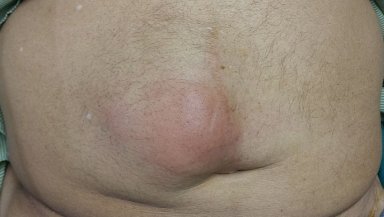
A new lump near the anus after fistula surgery should not be ignored.
It may simply be part of healing.
But if it becomes increasingly painful, swollen or warm, it could represent an abscess.
An abscess is a collection of pus.
If one develops, it may need to be drained.
Do not attempt to squeeze or puncture it yourself.
Contact your surgeon or healthcare provider.
What If the Fistula Comes Back?
FiLaC is designed to close the fistula, but no treatment guarantees permanent healing.
Some patients heal successfully after one procedure.
Others experience persistent disease or recurrence and may need additional treatment.
Long-term research has shown variable healing rates. One 10-year study involving 175 patients reported primary healing in 66.8% at a median five-year follow-up, while a more recent systematic review of 24 studies involving 1,503 patients reported a pooled primary healing rate of 57.46%.
These figures should not be interpreted as an individual patient's personal chance of success.
Your outcome depends on your fistula, previous treatments, surgical technique and other factors.
If symptoms return after a period of healing, your surgeon may reassess the fistula and discuss further treatment.
Can FiLaC Be Repeated?
In selected patients, repeat FiLaC may be considered.
A long-term study reported that some patients who did not heal after their first FiLaC underwent repeat laser treatment, with a proportion achieving healing after the second procedure.
However, repeat laser treatment is not automatically the right choice.
The fistula may have changed.
There may be a new branch.
An abscess may have developed.
Another procedure such as LIFT, advancement flap or a different sphincter-preserving approach may be more appropriate.
The next step should be based on reassessment rather than simply repeating the same procedure.
How Do You Know If FiLaC Has Worked?
The external opening gradually closes.
Drainage stops.
Pain and swelling settle.
There is no recurring lump or abscess.
These are reassuring signs.
However, complete healing can take time.
Your surgeon may use clinical examination and, in selected complex cases, imaging to assess healing.
Do not assume that the fistula is cured simply because you feel better for a few days.
Equally, do not assume that the procedure has failed because you still have some drainage during early recovery.
Follow-up helps make this distinction.
The Key Takeaway
FiLaC recovery is often quicker and less painful than patients expect, but it is not necessarily an overnight recovery.
Mild soreness for a few days can occur.
Small amounts of discharge or minor bleeding can also occur while the treated fistula heals.
The amount of drainage can change from day to day.
What matters most is the overall trend.
If pain, swelling and drainage are gradually improving, your recovery may be progressing normally.
If symptoms suddenly become worse, you should contact your doctor.
Severe pain, heavy bleeding, fever, worsening swelling or foul-smelling discharge should not be dismissed as normal healing.
FiLaC is designed to preserve the sphincter muscles, but it does not guarantee that every fistula will heal after one procedure.
Recurrence and further treatment are possible.
Conclusion
The period after FiLaC can be confusing because patients often expect the word “laser” to mean that recovery will be immediate.
In reality, the procedure starts a healing process.
The fistula tract needs time to close and the surrounding tissue needs time to recover.
Mild soreness and some drainage can therefore occur during the early recovery period.
The most useful thing you can do is monitor the overall direction of your recovery.
Pain should generally become easier to manage.
Swelling should not progressively increase.
Drainage should not suddenly become much heavier or foul-smelling.
You should gradually be able to return to normal activities.
If you develop fever, increasing pain, a new painful lump, heavy bleeding or difficulty passing urine or stool, contact your healthcare team.
Do not compare your recovery timeline with another patient's.
A simple fistula, a complex fistula and a recurrent fistula can all have very different recovery patterns.
FiLaC can be an effective sphincter-preserving treatment for selected patients, but healing is not guaranteed.
If symptoms persist or return, further assessment can determine whether the fistula is still active and whether additional treatment is required.
The aim of recovery is not simply to feel better for a few days.
The goal is complete healing of the fistula while protecting long-term bowel control.
References and Sources
PubMed – Treatment of Anal Fistula With FiLaC: Results of a 10-Year Experience With 175 Patients
PubMed – A Systematic Review and Meta-analysis of the Safety and Efficacy of Fistula Laser Closure