Urology Elevated: Robotic Solutions for Stones, Obstructions, Reconstructions & Complex Urological Disorders

Medicine Made Simple
Robotic urological surgery is an advanced minimally invasive surgical approach used to treat complex conditions affecting the kidneys, ureters, bladder, and urinary tract. It is particularly useful for urinary obstructions, large or difficult kidney stones, congenital abnormalities, reconstructive procedures, and certain complex urological disorders. The surgeon controls robotic instruments that provide enhanced precision, flexibility, and visualization. Compared with traditional open surgery, robotic procedures often result in less pain, smaller scars, reduced blood loss, shorter hospital stays, and faster recovery while preserving urinary function and improving long-term outcomes.
Introduction
Problems affecting the urinary system can have a major impact on daily life.
Simple activities such as:
- Drinking water
- Sleeping comfortably
- Exercising
- Traveling
- Going to work
Can become difficult when someone experiences persistent urinary symptoms or chronic pain.
Many people assume urological surgery is only needed for cancer.
In reality, a large number of non-cancerous urological conditions may require surgical treatment.
These include:
- Kidney stones
- Urinary tract obstructions
- Congenital abnormalities
- Recurrent infections
- Urinary tract injuries
- Complex reconstructive conditions
Historically, many of these procedures required large incisions and prolonged recovery periods.
Today, robotic surgery is transforming how these conditions are treated.
By combining advanced technology with surgical expertise, robotic systems help surgeons perform highly precise operations while minimizing disruption to healthy tissues.
For patients, this often means a smoother recovery and better long-term outcomes.
Understanding the Urinary System
Before discussing robotic surgery, it helps to understand how the urinary system works.
The urinary system is responsible for removing waste and maintaining fluid balance.
It consists of:
- Kidneys
- Ureters
- Bladder
- Urethra
Each organ plays a specific role.
Kidneys
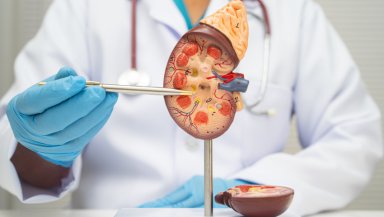
The kidneys filter waste products from the bloodstream and produce urine.
They also help regulate:
- Blood pressure
- Electrolytes
- Fluid balance
- Red blood cell production
Ureters
The ureters are narrow tubes that carry urine from the kidneys to the bladder.
Bladder
The bladder stores urine until it is convenient to empty.
Urethra
The urethra allows urine to leave the body.
Any disruption within this system can lead to symptoms and complications.
What Is Robotic Urological Surgery?
Robotic surgery is a form of minimally invasive surgery.
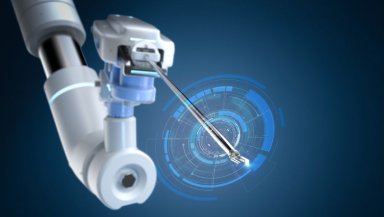
The procedure is performed through small incisions using robotic instruments controlled entirely by the surgeon.
The robotic system provides:
- Magnified 3D visualization
- Exceptional precision
- Enhanced dexterity
- Improved access to difficult anatomical areas
Contrary to popular belief, the robot does not perform surgery independently.
Every movement is directed by the surgeon.
Why Robotic Surgery Is Particularly Useful in Urology
The urinary system contains delicate structures located within confined spaces.
Many procedures involve operating near:
- Major blood vessels
- Nerves
- Reproductive organs
- Complex urinary structures
Robotic technology helps surgeons navigate these areas with greater accuracy.
This can be especially beneficial when preserving urinary and kidney function is critical.
Understanding Urinary Obstructions
Urinary obstruction occurs when urine cannot flow normally through the urinary tract.
Obstructions can occur at various locations.
Examples include:
- Kidney drainage pathways
- Ureters
- Bladder outlet
- Urethra
If left untreated, obstruction can damage the kidneys.
Common Symptoms of Urinary Obstruction
Symptoms may include:
- Flank pain
- Recurrent urinary infections
- Blood in urine
- Difficulty urinating
- Reduced urine output
- Kidney swelling
Some patients experience severe symptoms, while others may have few symptoms despite significant obstruction.
What Is UPJ Obstruction?
One of the most common conditions treated robotically is ureteropelvic junction (UPJ) obstruction.
The UPJ is the area where the kidney connects to the ureter.
When narrowing occurs at this point:
- Urine drainage becomes impaired
- Kidney swelling develops
- Pain may occur
- Kidney function may decline
UPJ obstruction can affect both children and adults.
Robotic Pyeloplasty: The Gold Standard for UPJ Obstruction
Pyeloplasty is a surgical procedure used to correct UPJ obstruction.
The surgeon removes the narrowed segment and reconnects the healthy portions.
Robotic technology has transformed this procedure.
Benefits of Robotic Pyeloplasty
Potential advantages include:
- High success rates
- Smaller incisions
- Less pain
- Reduced blood loss
- Faster recovery
- Preservation of kidney function
Many centers now consider robotic pyeloplasty the preferred approach for suitable patients.
Kidney Stones: When Surgery Becomes Necessary
Kidney stones are among the most common urological conditions.
Many stones pass naturally.
Others require intervention.
Symptoms of Kidney Stones
Typical symptoms include:
- Severe flank pain
- Blood in urine
- Nausea
- Vomiting
- Urinary discomfort
Stone size, location, and composition influence treatment decisions.
Traditional Treatments for Kidney Stones
Common treatments include:
- Observation
- Shockwave therapy
- Ureteroscopy
- Percutaneous stone removal
Most stones do not require robotic surgery.
However, certain complex cases may benefit from robotic approaches.
When Is Robotic Surgery Used for Kidney Stones?
Robotic procedures may be considered when:
- Stones are unusually large
- Anatomical abnormalities exist
- Multiple procedures would otherwise be required
- Reconstruction is needed simultaneously
The ability to treat stones and correct underlying anatomical problems during the same operation can be a major advantage.
Ureteric Strictures: Restoring Normal Urine Flow
A ureteric stricture is a narrowing of the ureter.
Causes may include:
- Previous surgery
- Inflammation
- Injury
- Congenital abnormalities
- Prior stone disease
When urine flow is restricted, kidney damage may occur.
Symptoms of Ureteric Strictures
Common symptoms include:
- Flank pain
- Recurrent infections
- Kidney swelling
- Reduced kidney function
Prompt treatment helps protect long-term kidney health.
Robotic Reconstruction for Ureteric Strictures
Robotic surgery allows surgeons to:
- Remove scarred segments
- Reconnect healthy tissue
- Restore urine flow
The precision of robotic instruments is particularly valuable during reconstructive procedures.
Reconstructive Urology: Restoring Function
One of the most exciting applications of robotic technology is reconstructive urology.
These procedures focus on restoring normal urinary function.
Conditions Requiring Reconstruction
Examples include:
- Ureteric injuries
- Congenital abnormalities
- Recurrent strictures
- Complex urinary tract defects
- Trauma-related injuries
Many of these procedures are technically demanding and benefit from enhanced surgical precision.
Robotic Ureteral Reconstruction
The ureter is a delicate structure.
Reconstruction requires:
- Precise tissue handling
- Careful suturing
- Preservation of blood supply
Robotic systems help surgeons perform these tasks with exceptional accuracy.
Bladder Reconstruction
Certain conditions may require bladder reconstruction.
These include:
- Severe injury
- Congenital abnormalities
- Complex dysfunction
Robotic approaches can help reduce surgical trauma while achieving excellent functional outcomes.
Congenital Urological Conditions in Adults
Some urinary tract abnormalities present from birth but are only diagnosed later in life.
Examples include:
- UPJ obstruction
- Duplex collecting systems
- Ureteral abnormalities
Robotic surgery can often correct these issues while preserving organ function.
Complex Urinary Tract Disorders
Certain disorders affect multiple parts of the urinary system simultaneously.
Examples include:
- Extensive scar tissue
- Multiple prior surgeries
- Complex anatomical variations
These cases often require highly individualized surgical planning.
Robotic technology can provide significant advantages in these challenging situations.
Benefits of Robotic Surgery Compared with Open Surgery
One reason robotic surgery continues to gain popularity is the potential improvement in recovery.
Smaller Incisions
Traditional surgery often requires large incisions.
Robotic surgery uses several small entry points.
Benefits may include:
- Less pain
- Reduced scarring
- Faster healing
Reduced Blood Loss
Enhanced visualization allows surgeons to work more precisely around blood vessels.
Shorter Hospital Stay
Many patients leave the hospital sooner than they would after open surgery.
Faster Return to Daily Activities
Patients often resume normal activities more quickly.
Better Visualization
The surgeon views the operative field in high-definition 3D magnification.
This can improve surgical accuracy.
What Happens Before Robotic Urological Surgery?
Preparation begins with a thorough evaluation.
Doctors may recommend:
Blood Tests
To assess overall health and kidney function.
Imaging Studies
These may include:
- CT scans
- Ultrasound
- MRI
- Nuclear medicine studies
Imaging helps define the problem and guide treatment planning.
Functional Assessment
Understanding how well the kidneys are working helps determine the most appropriate approach.
What Happens During Surgery?
Several small incisions are made.
Specialized instruments and a camera are inserted.
The surgeon controls the robotic system from a console.
Throughout the procedure:
- The surgeon remains fully in control
- Movements are translated into precise actions
- High-definition imaging guides every step
Recovery After Robotic Urological Surgery
Recovery depends on the procedure performed.
However, many patients experience:
- Less discomfort
- Earlier mobility
- Faster return to eating
- Reduced hospital stays
Recovery instructions are individualized based on the specific surgery.
Potential Risks and Complications
Every surgery carries some risk.
Possible complications include:
- Bleeding
- Infection
- Urinary leakage
- Scar formation
- Injury to nearby structures
- Anesthesia-related risks
Discussing these risks beforehand helps patients make informed decisions.
Enhanced Recovery Programs
Many hospitals now use Enhanced Recovery After Surgery (ERAS) protocols.
These programs focus on:
- Optimized nutrition
- Better pain control
- Early mobilization
- Reduced complications
- Faster recovery
ERAS programs have significantly improved patient experiences after surgery.
Life After Reconstructive Urological Surgery
For many patients, successful surgery results in major improvements.
Benefits may include:
- Reduced pain
- Better kidney function
- Fewer infections
- Improved urinary flow
- Better quality of life
Long-term follow-up remains important to monitor outcomes and kidney health.
Emotional Impact of Chronic Urological Conditions
Many patients live with symptoms for years before seeking treatment.
Chronic pain, urinary problems, and recurrent infections can affect:
- Mental health
- Relationships
- Sleep
- Work performance
Successful treatment often improves both physical and emotional well-being.
The Future of Robotic Urology
Technology continues to advance rapidly.
Researchers are exploring:
- Next-generation robotic systems
- Artificial intelligence-assisted surgery
- Improved imaging guidance
- Enhanced reconstructive techniques
- Greater surgical precision
These innovations continue to improve outcomes for patients with complex urological conditions.
Conclusion
Robotic urological surgery has transformed the treatment of urinary obstructions, kidney disorders, reconstructive conditions, and complex urological diseases. By combining advanced technology with surgical expertise, robotic procedures allow surgeons to operate with exceptional precision while minimizing surgical trauma. For many patients, this means less pain, faster recovery, preservation of kidney and urinary function, and a quicker return to normal life. As robotic technology continues to evolve, its role in modern urology is expected to grow even further.
If you are experiencing recurrent urinary infections, kidney stones, urinary obstruction, chronic flank pain, or have been advised to undergo reconstructive urological surgery, consult a urologist experienced in robotic procedures. Understanding all available treatment options can help you make informed decisions and achieve the best possible outcome.
References and Sources
• American Urological Association (AUA)
European Association of Urology (EAU)
National Institute of Diabetes and Digestive and Kidney Diseases (NIDDK)