Precision Oncology with Robotics: Transforming Cancer Surgery Outcomes with Less Pain & Faster Recovery

Medicine Made Simple
Robotic cancer surgery is an advanced form of minimally invasive surgery that allows surgeons to remove tumors with exceptional precision while reducing damage to healthy tissues. Using robotic technology controlled entirely by the surgeon, many cancer procedures can now be performed through small incisions instead of large surgical cuts. Compared with traditional open surgery, robotic procedures often result in less pain, reduced blood loss, fewer complications, shorter hospital stays, and faster recovery. For many cancer patients, robotic surgery offers effective cancer treatment while helping preserve organ function and quality of life.
Introduction
A cancer diagnosis often brings many fears.
Patients commonly worry about:
- The cancer itself
- Surgery
- Pain
- Long recovery periods
- Complications
- Returning to work
- Family responsibilities
- Quality of life after treatment
For many years, cancer surgery usually meant large incisions, significant discomfort, and prolonged recovery.
While surgery remains one of the most effective cancer treatments available, the way it is performed has changed dramatically.
Modern oncology is increasingly focused on precision.
The goal is no longer simply removing cancer.
Today's cancer specialists aim to:
- Remove tumors completely
- Protect healthy tissue
- Preserve organ function
- Reduce complications
- Improve recovery
- Maintain quality of life
One of the most important innovations helping achieve these goals is robotic surgery.
Robotic-assisted surgery has transformed the treatment of many cancers and is now widely used across multiple specialties.
What Is Precision Oncology?
Precision oncology refers to a personalized approach to cancer treatment.
Rather than treating every patient in the same way, doctors tailor treatment based on:
- Cancer type
- Tumor characteristics
- Genetic information
- Disease stage
- Patient health
- Individual treatment goals
Precision oncology may involve:
- Targeted therapies
- Immunotherapy
- Advanced imaging
- Molecular testing
- Robotic surgery
The objective is delivering the right treatment to the right patient at the right time.
Understanding Robotic Surgery
Many people hear the term "robotic surgery" and imagine a robot performing surgery independently.
This is not accurate.
The surgeon remains in complete control throughout the procedure.
The robotic system acts as an advanced surgical platform.
It translates the surgeon's hand movements into highly precise movements inside the body.
The system enhances the surgeon's capabilities rather than replacing them.
How Does a Robotic Surgical System Work?
The system consists of three main components.
The Surgeon's Console
The surgeon sits at a specialized console and controls the operation.
This console provides:
- High-definition 3D visualization
- Magnified surgical views
- Precise instrument control
Robotic Arms
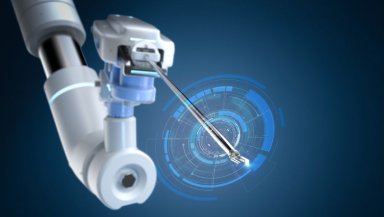
Specialized robotic arms hold the instruments used during surgery.
These instruments can move with greater flexibility than the human wrist.
Advanced Camera System
A highly magnified camera provides detailed views of tissues, nerves, blood vessels, and tumors.
This enhanced visualization improves surgical accuracy.
Why Precision Matters in Cancer Surgery
Cancer surgery is often performed near critical structures.
These may include:
- Blood vessels
- Nerves
- Organs
- Muscles
- Lymphatic channels
Even small differences in surgical precision can influence outcomes.
The challenge is removing the entire tumor while preserving as much healthy tissue as possible.
Robotic technology helps surgeons achieve this balance.
The Evolution of Cancer Surgery
Traditional open surgery has saved countless lives.
However, open surgery often requires:
- Larger incisions
- Greater tissue disruption
- Longer hospital stays
- Extended recovery periods
Minimally invasive techniques introduced significant improvements.
Robotic surgery represents the next step in this evolution.
It combines minimally invasive surgery with advanced technological assistance.
Benefits of Robotic Cancer Surgery
Robotic surgery offers several potential advantages compared with traditional open procedures.
Smaller Incisions
Instead of large surgical cuts, robotic surgery typically uses several small incisions.
- Less tissue trauma
- Reduced scarring
- Faster healing
Less Blood Loss
Enhanced precision allows surgeons to work more accurately around blood vessels.
- Lower transfusion rates
- Improved recovery
- Reduced surgical stress
Reduced Pain
Smaller incisions generally lead to less postoperative discomfort.
Many patients require fewer pain medications after robotic procedures.
Lower Risk of Complications
- Lower infection rates
- Reduced wound problems
- Earlier mobility
Shorter Hospital Stays
- Improved comfort
- Reduced healthcare costs
- Faster return to normal routines
Faster Recovery
- Earlier walking
- Faster return to eating
- Quicker return to work
- Improved overall recovery experience
Which Cancers Can Be Treated with Robotic Surgery?
Robotic technology is now used across multiple cancer specialties.
Prostate Cancer
The prostate sits close to important structures controlling:
- Urinary function
- Sexual function
Potential benefits include:
- Better visualization
- Improved nerve preservation
- Reduced blood loss
- Faster recovery
Kidney Cancer
Robotic surgery may allow removal of only the tumor while preserving healthy kidney tissue.
- Preservation of kidney function
- Excellent cancer control
- Reduced long-term complications
Bladder Cancer
Robotic surgery can assist in complex bladder procedures with enhanced precision.
Gynecological Cancers
- Endometrial cancer
- Cervical cancer
- Selected ovarian cancers
Advantages include:
- Smaller incisions
- Less pain
- Faster recovery
Colorectal Cancer
- Colon cancer
- Rectal cancer
Precision is especially valuable in the pelvis where space is limited.
Head and Neck Cancers
Robotic approaches may help preserve:
- Speech
- Swallowing
- Quality of life
Thoracic Cancers
Robotic platforms are used for certain lung and chest tumors.
- Reduced postoperative pain
- Shorter hospital stays
Precision Beyond Tumor Removal
Modern robotic oncology is not only about removing cancer.
It also focuses on preserving function.
Protecting Nerves
Enhanced visualization helps surgeons identify and preserve critical nerves.
Preserving Organs
- Kidney-sparing surgery
- Breast-conserving surgery
- Function-preserving rectal surgery
Preserving organs improves long-term quality of life.
The Role of Lymph Node Surgery
Lymph nodes play an important role in cancer staging.
Robotic technology can help perform precise lymph node dissections.
This helps determine:
- Cancer stage
- Risk of recurrence
- Need for additional treatments
Robotic Surgery and Cancer Outcomes
For many cancers, robotic surgery can achieve excellent outcomes when performed by experienced surgeons.
The primary goal remains complete tumor removal.
Robotic technology helps achieve this while offering recovery benefits.
What Happens Before Robotic Cancer Surgery?
Preparation begins well before the operation.
Comprehensive Evaluation
Doctors assess:
- Cancer stage
- Imaging studies
- Medical history
- Overall health
Treatment Planning
A multidisciplinary team develops an individualized plan.
- Surgical oncologists
- Medical oncologists
- Radiation oncologists
- Radiologists
- Pathologists
Patient Education
Understanding the procedure helps patients feel more confident and prepared.
What Happens During Surgery?
The surgeon performs the operation through small incisions.
A camera and specialized instruments are inserted.
The surgeon views the surgical field in magnified 3D detail and controls every movement.
Recovery After Robotic Cancer Surgery
Many patients experience:
- Less pain
- Earlier mobility
- Faster return to eating
- Shorter hospitalization
- Improved comfort
Recovery plans are individualized.
Potential Risks and Limitations
Robotic surgery is not appropriate for every patient.
Factors include:
- Tumor size
- Tumor location
- Previous surgeries
- Overall health
Possible risks include:
- Bleeding
- Infection
- Injury to nearby structures
- Anesthesia-related complications
Enhanced Recovery After Surgery (ERAS)
Many programs use ERAS protocols focused on:
- Better pain control
- Early walking
- Optimized nutrition
- Reduced complications
- Faster recovery
Emotional Recovery Is Important Too
Patients may experience:
- Anxiety
- Fear
- Stress
- Uncertainty
Support from healthcare teams and family plays an important role.
Life After Robotic Cancer Surgery
Many patients return to normal activities such as:
- Work
- Exercise
- Travel
- Family activities
- Social engagement
Follow-up care remains essential.
The Future of Robotic Oncology
Researchers are exploring:
- Artificial intelligence-assisted surgery
- Enhanced imaging systems
- Real-time tumor mapping
- Advanced robotic platforms
- Personalized surgical planning
- Improved organ-preserving techniques
Why Precision Oncology Matters
Every cancer journey is unique.
Modern oncology focuses on achieving the best outcome while minimizing the impact on daily life.
Robotic surgery plays an important role in this approach.
Conclusion
Robotic surgery has transformed modern cancer care by bringing greater precision, improved visualization, and minimally invasive techniques to the operating room. For many patients, it offers less pain, reduced blood loss, shorter hospital stays, faster recovery, and excellent cancer outcomes.
If you or a loved one has been diagnosed with cancer and surgery is being considered, speak with a surgical oncologist about whether a robotic approach may be appropriate. Understanding all available treatment options can help you make informed decisions and achieve the best possible outcome.
References and Sources