Prostate Care 2.0: Robotic Prostatectomy, Nerve-Sparing Techniques & Advanced Interventions for BPH & Prostate Cancer

Medicine Made Simple
Modern prostate care has evolved significantly with the introduction of robotic surgery, advanced imaging, nerve-sparing techniques, and minimally invasive treatments. Whether treating benign enlargement of the prostate (BPH) or prostate cancer, today's goal is not only to address the disease but also to preserve urinary control, sexual function, and overall quality of life. Robotic prostatectomy allows surgeons to operate with exceptional precision through small incisions, often resulting in less pain, reduced blood loss, shorter hospital stays, and faster recovery. Understanding available treatment options helps patients make informed decisions and approach prostate treatment with confidence.
Introduction
The prostate is a small gland, but it can have a major impact on a man's health and quality of life.
As men age, prostate-related problems become increasingly common.
Some men experience:
- Frequent urination
- Difficulty passing urine
- Interrupted sleep
- Urinary urgency
- Reduced quality of life
Others may be diagnosed with prostate cancer during routine screening despite having no symptoms at all.
For many years, prostate surgery was associated with concerns about:
- Urinary leakage
- Sexual dysfunction
- Long recovery periods
- Large surgical scars
While these concerns were understandable, modern prostate care has changed dramatically.
Advances in:
- Robotic surgery
- Precision imaging
- Nerve-sparing techniques
- Minimally invasive therapies
- Enhanced recovery programs
Have transformed treatment outcomes.
Today, prostate care focuses on achieving excellent disease control while preserving the functions that matter most to patients.
Understanding the Prostate
The prostate is a walnut-sized gland located below the bladder and in front of the rectum.
It surrounds part of the urethra, the tube that carries urine out of the body.
The prostate plays an important role in reproduction by producing fluid that contributes to semen.
Although small, its location means that even minor enlargement can affect urinary function.
Common Prostate Conditions
The two most common prostate conditions are:
- Benign Prostatic Hyperplasia (BPH)
- Prostate Cancer
Although both affect the prostate, they are very different conditions.
What Is Benign Prostatic Hyperplasia (BPH)?
BPH refers to non-cancerous enlargement of the prostate.
It is one of the most common conditions affecting aging men.
As the prostate enlarges, it may compress the urethra and interfere with urine flow.
BPH is not cancer and does not increase the risk of prostate cancer.
However, it can significantly affect daily life.
Symptoms of BPH
Common symptoms include:
Urinary Symptoms
- Frequent urination
- Urgency
- Weak urine stream
- Difficulty starting urination
- Dribbling after urination
Night-Time Symptoms
Many men wake multiple times during the night to urinate.
This condition, called nocturia, can affect:
- Sleep quality
- Energy levels
- Daily productivity
Bladder Symptoms
Long-standing obstruction may lead to:
- Incomplete bladder emptying
- Urinary retention
- Recurrent infections
- Bladder stones
Understanding Prostate Cancer
Prostate cancer develops when cells within the prostate begin growing abnormally.
It is one of the most common cancers affecting men worldwide.
The encouraging news is that many prostate cancers grow slowly and are highly treatable when detected early.
Risk Factors for Prostate Cancer
Several factors may increase risk.
These include:
- Increasing age
- Family history
- Genetic mutations
- Ethnicity
- Lifestyle factors
While some risk factors cannot be changed, early detection remains extremely important.
Symptoms of Prostate Cancer
Early prostate cancer often causes no symptoms.
This is one reason screening plays such an important role.
As the disease progresses, symptoms may include:
- Difficulty urinating
- Blood in urine
- Blood in semen
- Pelvic discomfort
- Bone pain in advanced cases
Many of these symptoms overlap with BPH.
Proper evaluation is therefore essential.
Why Early Detection Matters
Early diagnosis provides more treatment options and improves outcomes.
When detected early, prostate cancer may be:
- Easier to treat
- More likely to be cured
- Less likely to require extensive treatment
Regular discussions with healthcare providers about prostate health are important, especially as men age.
Understanding PSA Testing
One of the most commonly used screening tools is the PSA test.
PSA stands for Prostate-Specific Antigen.
This blood test measures a protein produced by the prostate.
Elevated PSA levels may occur due to:
- BPH
- Infection
- Inflammation
- Prostate cancer
An abnormal PSA does not automatically mean cancer is present.
Instead, it signals the need for further evaluation.
The Role of Modern Prostate Imaging
Multiparametric MRI
MRI provides detailed images of the prostate and helps identify suspicious areas.
Benefits include:
- Better cancer detection
- More accurate risk assessment
- Improved biopsy planning
MRI has become an important part of modern prostate care.
Prostate Biopsy: Confirming the Diagnosis
A biopsy is the definitive test for prostate cancer.
Small tissue samples are obtained and examined under a microscope.
The biopsy helps determine:
- Whether cancer is present
- Cancer aggressiveness
- Treatment planning options
This information guides decision-making.
Active Surveillance: Not Every Cancer Needs Immediate Treatment
One of the biggest changes in prostate cancer care is the recognition that some cancers grow very slowly.
For selected patients, active surveillance may be appropriate.
This approach involves:
- Regular PSA testing
- Repeat imaging
- Ongoing monitoring
Treatment begins only if the cancer shows signs of progression.
Active surveillance helps some men avoid unnecessary treatment and side effects.
Understanding Robotic Prostatectomy
For many patients with localized prostate cancer, surgery remains an important treatment option.
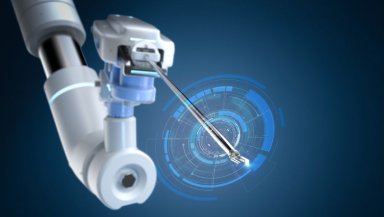
Robotic prostatectomy is one of the most significant advances in modern urology.
The procedure involves removing the prostate using robotic-assisted technology.
How Robotic Surgery Works
Despite the name, the robot does not perform the operation independently.
The surgeon remains fully in control.
The robotic system provides:
- Magnified 3D visualization
- Enhanced dexterity
- Precise instrument control
- Improved access to deep pelvic structures
These features help surgeons operate with exceptional accuracy.
Why the Prostate Is Challenging to Operate On
The prostate sits in a confined space surrounded by important structures.
Nearby are:
- Nerves responsible for erections
- Muscles controlling urination
- Blood vessels
- Bladder
- Rectum
Protecting these structures is a major priority during surgery.
Benefits of Robotic Prostatectomy
Potential advantages include:
- Smaller incisions
- Reduced blood loss
- Less pain
- Shorter hospital stays
- Faster recovery
- Improved visualization
Nerve-Sparing Surgery: Preserving Quality of Life
Why Are Nerves Important?
The nerves surrounding the prostate play a key role in:
- Erectile function
- Sexual health
Whenever it is safe from a cancer-control perspective, surgeons attempt to preserve these nerves.
Benefits of Nerve-Sparing Techniques
Potential benefits include:
- Better sexual function outcomes
- Improved quality of life
- Greater confidence during recovery
The ability to preserve nerves depends on:
- Tumor location
- Cancer stage
- Individual anatomy
Preserving Urinary Continence
Another major concern for patients is urinary control.
Modern surgical techniques focus on preserving structures involved in continence.
Robotic technology helps surgeons:
- Visualize anatomy clearly
- Minimize tissue damage
- Preserve supportive structures
Many patients regain urinary control over time following surgery.
Recovery After Robotic Prostatectomy
Recovery varies between individuals.
However, many patients experience:
- Less postoperative discomfort
- Earlier mobility
- Shorter hospital stays
- Faster return to normal activities
Patients receive individualized guidance regarding activity, exercise, and follow-up care.
Advanced Treatments for BPH
Not all prostate problems involve cancer.
Millions of men seek treatment for urinary symptoms caused by BPH.
Fortunately, treatment options have expanded significantly.
Lifestyle Modifications
Mild symptoms may improve through:
- Fluid management
- Reduced caffeine intake
- Limiting alcohol consumption
- Bladder training strategies
Medications
Several medications can:
- Relax prostate muscles
- Reduce prostate size
- Improve urinary flow
Medication may be appropriate for many patients.
Minimally Invasive Procedures for BPH
When medications are ineffective, procedural treatment may be considered.
Options include:
- Laser therapy
- Water vapor therapy
- Prostatic urethral lift
- Endoscopic procedures
These treatments often provide symptom relief while minimizing recovery time.
Robotic Surgery for Large Prostates
In selected cases involving very large prostates, robotic surgery may be recommended.
Potential benefits include:
- Effective symptom relief
- Improved urinary flow
- Reduced long-term complications
Treatment selection depends on individual circumstances.
Advanced Treatments Beyond Surgery
Modern prostate care increasingly includes precision medicine.
Treatment plans may involve:
- Hormonal therapy
- Radiation therapy
- Targeted therapy
- Advanced imaging-guided interventions
These options are particularly important in more advanced prostate cancer.
Emotional and Psychological Impact
Prostate conditions affect more than physical health.
Men may worry about:
- Cancer diagnosis
- Sexual function
- Relationships
- Masculinity
- Future quality of life
These concerns are common and understandable.
Sexual Health After Treatment
Many patients are hesitant to discuss sexual health concerns.
However, this topic is an important part of recovery.
Modern prostate care includes:
- Sexual rehabilitation programs
- Medication support
- Counseling
- Follow-up assessment
Life After Prostate Treatment
Most patients gradually return to their usual activities.
This may include:
- Work
- Exercise
- Travel
- Social activities
- Family life
Long-term follow-up remains important for monitoring recovery and treatment success.
Enhanced Recovery After Surgery (ERAS)
Many prostate surgery programs now use Enhanced Recovery After Surgery protocols.
These focus on:
- Better pain control
- Early mobilization
- Optimized nutrition
- Reduced complications
- Faster recovery
The Future of Prostate Care
Research and technology continue to advance rapidly.
Emerging developments include:
- Artificial intelligence-assisted diagnostics
- Improved robotic systems
- Advanced imaging techniques
- Personalized cancer therapies
- Novel minimally invasive treatments
Conclusion
Modern prostate care has moved far beyond traditional surgery. Today, robotic prostatectomy, nerve-sparing techniques, advanced imaging, minimally invasive BPH treatments, and personalized cancer care allow doctors to achieve excellent outcomes while preserving urinary and sexual function whenever possible. Whether treating prostate enlargement or prostate cancer, the focus is on combining effective disease control with improved quality of life, faster recovery, and long-term well-being.
If you are experiencing urinary symptoms, have concerns about prostate cancer risk, elevated PSA levels, or have been advised to undergo prostate treatment, consult a urologist experienced in advanced robotic and minimally invasive techniques. Early evaluation and personalized treatment planning can help achieve the best possible outcome.