What to Expect Immediately After Robotic Nephrectomy: Pain, Tubes, and First 7 Days Explained
Medicine Made Simple
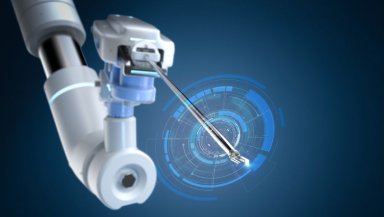
Robotic nephrectomy is a minimally invasive surgery where the kidney is removed using small cuts and robotic instruments. The surgeon controls precise tools while viewing a magnified image, which allows careful and accurate surgery. Because the cuts are small, there is less damage to muscles and tissues. This usually leads to less pain, quicker recovery, and a shorter hospital stay when comparing robotic vs open nephrectomy outcomes. After the procedure, patients are closely monitored and gradually begin moving, eating, and returning to normal activities over the first week.
Understanding the First Week After Surgery
The first seven days after robotic nephrectomy are the most important part of recovery. This is when your body starts healing from the surgery and adjusts to functioning with one kidney. Many patients feel unsure about what is normal during this period. There may be pain, tubes attached to the body, and changes in daily routine, making a thorough robotic nephrectomy preparation essential for peace of mind. Knowing what to expect can reduce anxiety and help you feel more in control.
Recovery during this phase is not about returning to normal immediately. It is about taking small, steady steps toward healing.
Right After Surgery: The Recovery Room Experience
Once the surgery is completed, you will be moved to a recovery room. You may feel sleepy, confused, or slightly uncomfortable as the anesthesia wears off.
Nurses will closely monitor your heart rate, blood pressure, and breathing. Oxygen may be given through a mask or small tubes in your nose.
You will notice dressings on your abdomen where the small cuts were made. These are usually covered with bandages.
Pain may be present, but it is controlled with medication. You may not feel severe pain immediately because of the effects of anesthesia.
This phase is focused on making sure your body is stable after surgery.
Understanding Tubes and Medical Equipment
After surgery, you may see a few tubes attached to your body. These can feel uncomfortable, but they serve important purposes.
A urinary catheter is commonly used. This tube drains urine from your bladder and helps doctors monitor kidney function. It is usually removed within a day or two.
You may also have an intravenous line in your arm. This is used to give fluids, medications, and pain relief.
In some cases, a small drain may be placed near the surgical area. This helps remove any excess fluid and is removed once it is no longer needed.
Seeing these tubes can be worrying, but they are temporary and help ensure safe recovery.
Pain After Robotic Nephrectomy
Pain is one of the biggest concerns for patients.
After robotic nephrectomy, pain is usually moderate and manageable. It is often felt as soreness or pressure around the abdomen.
You may also feel discomfort in the shoulder area. This is due to the gas used during surgery and usually settles within a few days.
Pain tends to be highest in the first two to three days and gradually improves.
Doctors provide pain medications to keep you comfortable. It is important to take them as prescribed and inform your doctor if pain is not controlled.
Day 1: The Importance of Early Movement
Within a day after surgery, you will be encouraged to start moving. This may feel difficult at first, but even sitting up or taking a few steps is helpful for a successful robotic nephrectomy recovery. Movement improves blood flow and reduces the risk of complications.
Nurses or physiotherapists will assist you during this process.
You may feel tired and slightly dizzy, which is normal. Taking it slow is important.
Eating usually begins with liquids and gradually progresses to soft food.
Day 2 to Day 3: Gaining Stability
By the second and third day, your body begins to stabilize.
Pain starts to reduce, and you may feel more comfortable moving around. Walking short distances becomes easier.
The urinary catheter is often removed during this time. You will be encouraged to pass urine normally.
Your appetite may improve slightly, but it is still best to eat light meals.
Doctors will check your progress and decide when you are ready to go home.
Going Home: What Changes After Discharge
Most patients go home within two to four days after robotic nephrectomy.
At home, you will no longer have the same level of medical support, so it is important to follow instructions carefully.
You will still feel tired and may need help with daily tasks.
Pain will continue to improve, but mild discomfort is normal.
You should continue walking short distances and gradually increase activity.
Rest is important, but staying completely inactive is not helpful.
Day 4 to Day 7: Adjusting to Home Recovery
During this period, you will start feeling more independent.
Walking becomes easier, and you may be able to manage basic daily activities.
However, energy levels may still be low. It is normal to feel tired even after small tasks.
Your appetite should improve gradually.
Incision sites may feel slightly tight or sore, but this is part of healing.
Avoid lifting heavy objects or doing strenuous activities.
What Is Normal and What Is Not
Understanding what is normal can prevent unnecessary worry.
Mild pain, fatigue, and reduced appetite are expected.
Some swelling or bruising around the incision is also normal.
However, certain symptoms should not be ignored.
High fever, severe pain, redness or discharge from the incision, or difficulty urinating should be reported to your doctor.
It is always better to seek advice if something feels unusual.
Emotional Feelings During the First Week
The first week can be emotionally challenging.
Some patients feel anxious or uncertain about recovery. Others may feel frustrated by limited movement and dependence on others.
These feelings are normal. Recovery is not just physical, but also emotional.
As your body heals, your confidence will improve.
Support from family and clear communication with your doctor can make this phase easier.
Tips to Make the First Week Easier
Simple habits can make a big difference during recovery.
Follow your medication schedule carefully.
Drink enough fluids to stay hydrated.
Eat light and balanced meals.
Walk a little every day, even if it is just a few steps.
Listen to your body and rest when needed.
Avoid comparing your recovery with others, as each person heals differently.
Frequently Asked Questions
- Is it normal to have pain after robotic nephrectomy?
Yes, mild to moderate pain is normal and improves over a few days. - How long will the catheter stay in place?
It is usually removed within one to two days after surgery. - When can I start walking?
Walking is encouraged within a day after surgery. - Is shoulder pain normal after surgery?
Yes, it can occur due to gas used during the procedure and usually resolves quickly. - When will I feel normal again?
You will start feeling better within a week, but full recovery takes longer. - When should I call my doctor?
If you have fever, severe pain, or unusual symptoms, you should seek medical advice.
Conclusion
If you or a loved one is preparing for robotic nephrectomy, understanding the first week can reduce fear and build confidence. Take recovery step by step and do not rush the process. If you have doubts or concerns, reach out to your doctor early. The more informed you are, the smoother your recovery will be.