Life After Kidney Removal: How to Live Safely and Confidently With One Kidney

Medicine Made Simple
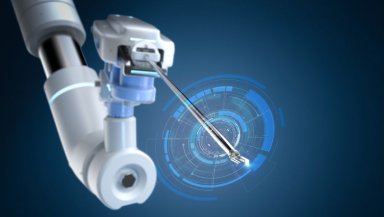
A nephrectomy is a surgery where one kidney is removed, often using robotic techniques that involve small cuts and precise instruments. The goal is to safely remove a damaged or diseased kidney while protecting the rest of the body. Even after losing one kidney, the body can function normally because the remaining kidney adapts and takes over most of the work. With proper care, healthy habits, and regular follow-up, most people can live a full, active, and confident life after kidney removal.
Understanding Life With One Kidney
Losing a kidney can feel like a major change, but the human body is designed to adapt. Most people are born with two kidneys, but one healthy kidney is enough to handle the body’s needs.
After surgery, the remaining kidney begins to adjust. It becomes more efficient and increases its ability to filter waste from the blood. This process happens gradually over weeks and months, and understanding the robotic nephrectomy recovery time helps patients manage these expectations.
Many people who donate a kidney or undergo nephrectomy go on to live normal lives. They work, travel, exercise, and carry out daily activities without major limitations.
Understanding this basic fact can reduce fear and help you feel more confident about the future.
How the Body Adjusts After Kidney Removal
The remaining kidney does not simply continue its usual function. It adapts by increasing its workload.
This process is called compensation. The kidney becomes slightly larger and more efficient at filtering blood.
During the first few weeks after surgery, your body is still healing. You may feel tired and need more rest. Over time, energy levels improve as your body adjusts, a process often compared to the transition seen in life after kidney transplant patients.
It is important to give your body time. Recovery is not just about healing from surgery, but also about internal adjustment.
What Changes Can You Expect in Daily Life
For most people, daily life does not change dramatically.
You can return to your normal routine after recovery. This includes work, social activities, and exercise.
However, you may need to be more mindful about your health. Small lifestyle changes can make a big difference in protecting your remaining kidney, especially when considering the long-term trade-offs of kidney transplant vs dialysis for those with underlying conditions. Some patients notice they get tired more easily in the early months. This usually improves with time.
The goal is not to restrict your life, but to support your body in the best possible way.
Diet and Nutrition After Kidney Removal
Diet plays an important role in long-term kidney health.
You do not need a strict or complicated diet, but balance is important. Eating fresh fruits, vegetables, and home-cooked meals supports overall health.
It is best to avoid excessive salt, as it can affect blood pressure and kidney function.
Protein intake should be moderate. Too much protein can put extra strain on the kidney.
Staying hydrated is essential. Drinking enough water helps the kidney function properly.
Your doctor may give specific advice based on your condition, so it is important to follow personalized guidance.
Hydration: A Simple but Powerful Habit
Water is one of the most important things for your kidney.
The kidney filters waste from the blood, and adequate fluid helps this process.
Dehydration can put stress on the kidney and affect its function.
Drinking water regularly throughout the day is better than drinking large amounts at once.
You do not need to overdrink, but staying consistently hydrated is key.
Physical Activity and Exercise
Exercise is not only safe but also beneficial after recovery.
Regular physical activity helps maintain a healthy weight, improves circulation, and supports overall well-being.
Walking is a good starting point. As your strength improves, you can gradually increase activity.
High-impact sports or activities that may cause injury to the kidney should be discussed with your doctor.
The goal is to stay active while protecting your body.
Long-Term Health Monitoring
After nephrectomy, regular check-ups become important.
Your doctor will monitor kidney function through blood tests and urine tests.
Blood pressure is also checked regularly, as it is closely linked to kidney health.
These check-ups help detect any issues early and ensure that your remaining kidney is functioning well.
Staying consistent with follow-ups is one of the best ways to protect your long-term health.
Common Concerns Patients Have
Many patients worry about whether they will live a normal life.
The answer is yes, in most cases.
Some worry about kidney failure. While this is a possibility, it is rare when the remaining kidney is healthy.
Others worry about diet restrictions. In reality, most people can eat a normal diet with some moderation.
Understanding the facts can help reduce unnecessary fear.
Emotional Adjustment After Surgery
The emotional side of recovery is often overlooked.
Some patients feel anxious about living with one kidney. Others may worry about long-term health.
These feelings are normal. Adjusting to a new reality takes time.
Talking to your doctor or loved ones can help you feel supported.
As you recover and regain strength, your confidence will grow.
Things to Avoid for Long-Term Safety
While life can be normal, certain precautions are important.
Avoid unnecessary use of painkillers without medical advice, as some medications can affect kidney function.
Be cautious with supplements or herbal products.
Avoid dehydration and extreme diets.
These simple precautions can help protect your kidney in the long run.
Pregnancy and Life Milestones
Many people wonder if life events like pregnancy are possible after nephrectomy.
In most cases, yes. Women with one healthy kidney can have a normal pregnancy.
However, it is important to plan and consult a doctor before making such decisions.
Similarly, other life milestones like travel and career goals are not restricted.
Living with one kidney does not stop you from achieving your goals.
When Should You Be Concerned
While most people do well, it is important to recognize warning signs.
Swelling, persistent fatigue, changes in urination, or high blood pressure should be checked.
Early detection of problems can prevent complications.
Do not ignore symptoms. Regular communication with your doctor is important.
Building Confidence After Surgery
Confidence comes with time and experience.
As you return to your routine and feel stronger, your fear reduces.
Understanding your body and taking care of it builds trust in your health.
You are not limited by having one kidney. You are simply living with a new awareness.
Frequently Asked Questions
- Can I live a normal life with one kidney?
Yes, most people live completely normal and active lives with one healthy kidney. - Do I need a special diet forever?
No strict diet is required, but balanced eating and moderation are important. - Can I exercise after kidney removal?
Yes, regular exercise is encouraged after recovery. - Is kidney failure common after nephrectomy?
No, it is uncommon if the remaining kidney is healthy. - How often should I see a doctor?
Regular follow-ups are recommended to monitor kidney function. - Can I drink normal amounts of water?
Yes, staying well hydrated is important for kidney health.
Conclusion
If you or someone you care about is living with one kidney after surgery, focus on building healthy habits and staying informed. Regular check-ups, balanced nutrition, and a positive mindset can help you live confidently. If you have concerns, speak with your doctor early. With the right care, you can move forward with strength and peace of mind.