How Long Does It Take to Recover From Robotic Nephrectomy? A Realistic Week-by-Week Timeline

Medicine Made Simple
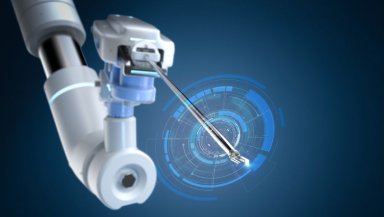
Robotic nephrectomy is a minimally invasive surgery used to remove a kidney through small cuts using robotic tools. The surgeon controls precise instruments while viewing a magnified image on a screen. This method causes less damage to muscles compared to open surgery. As a result, patients usually experience less pain, smaller scars, and faster recovery. Most people start walking within a day, go home in a few days, and gradually return to normal activities over a few weeks, although complete healing can take longer.
Understanding Recovery After Robotic Nephrectomy
Recovery after robotic nephrectomy is a gradual process. Even though the surgery uses small incisions, your body still goes through a major internal change. A kidney has been removed, and your body needs time to adjust both physically and functionally, which is why a proper robotic nephrectomy preparation plan is so vital.
Many patients expect to feel normal within a few days. This is not realistic. While you may feel better quickly compared to open surgery, full recovery takes time. Healing happens in stages. Each stage brings new improvements, but also some temporary discomfort.
Understanding this timeline helps reduce anxiety. It also allows you to plan your daily activities and return to normal life with more confidence.
What Happens Immediately After Surgery (Day 0 to Day 2)
Right after surgery, you will be in the recovery room. You may feel drowsy due to anesthesia. Some discomfort around the abdomen is normal.
You will notice small dressings over the incision sites. There may also be a tube to drain urine. This is temporary and helps monitor your recovery.
Doctors encourage you to start moving early. Even sitting up or taking a few steps helps prevent complications like blood clots.
You will be given fluids and gradually start eating light food. Pain is usually present but manageable with medication.
This early phase is about stabilizing your body and ensuring there are no immediate complications.
Early Recovery Phase (Day 3 to Day 7)
By this time, most patients are discharged from the hospital. You will still feel tired and may need help with daily activities.
Walking short distances is encouraged. Movement helps improve circulation and speeds up recovery.
Pain reduces gradually but may still be noticeable, especially when moving or changing positions. You may also feel bloated or uncomfortable due to gas used during surgery.
Your appetite may not be fully normal yet. Eating small, light meals works best during this phase.
Rest is important, but complete bed rest is not recommended. Gentle activity helps your body heal faster.
Week 2: Gaining Strength Slowly
During the second week, you will start feeling more like yourself. Energy levels begin to improve, although you may still get tired easily.
Most patients can manage basic daily activities on their own. Walking becomes easier and more comfortable.
Pain continues to decrease. You may not need strong pain medications anymore.
However, heavy lifting and strenuous activity should still be avoided. Your body is healing internally, even if you feel better on the outside.
This is a phase where patients often feel encouraged, but it is important not to rush recovery.
Week 3 to Week 4: Returning to Routine
By the third and fourth weeks, many patients return to light work and routine activities. Sitting for longer periods becomes easier.
Walking longer distances feels more natural. You may notice that your stamina is improving.
Incision sites are mostly healed on the surface, but internal healing is still ongoing.
Some patients may experience mild discomfort or pulling sensations around the surgical area. This is part of normal healing.
It is important to listen to your body. If something feels uncomfortable, it is better to slow down.
Week 5 to Week 6: Nearing Full Recovery
At this stage, most patients feel significantly better. Energy levels are close to normal.
You can gradually return to more physical activities, but it should be done carefully and with medical advice.
Exercise can be reintroduced slowly. Activities like walking and light stretching are usually safe.
By the end of six weeks, many patients feel ready to resume most of their normal lifestyle.
However, this does not mean the body is fully healed internally. Complete recovery may still take a few more weeks.
What Factors Affect Recovery Time
Recovery is not the same for everyone. Several factors influence how quickly you heal.
Your age plays a role. Younger individuals may recover faster.
Overall health is important. Conditions like diabetes or obesity can slow healing.
The reason for surgery also matters. More complex cases may require longer recovery.
Your activity level and lifestyle habits can either support or delay recovery.
Following your doctor’s advice is one of the most important factors.
Pain and Discomfort: What Is Normal
Pain after robotic nephrectomy is usually moderate and improves over time.
In the first few days, pain is more noticeable. It is often described as soreness or pressure around the abdomen.
By the second week, pain reduces significantly. Mild discomfort may still be present during movement.
Occasional aches or pulling sensations may continue for a few weeks. This is part of internal healing.
Severe or worsening pain is not normal and should be reported to your doctor.
When Can You Return to Work
The timing depends on the type of work you do.
If your job is not physically demanding, you may return within two to four weeks.
For jobs that involve heavy lifting or physical effort, you may need six weeks or more.
It is important to avoid rushing back to work too soon. This can delay healing and increase the risk of complications.
Discuss your work routine with your doctor before making a decision.
Diet and Hydration During Recovery
Your body needs proper nutrition to heal.
In the early days, light and easy-to-digest foods are recommended. As your appetite improves, you can return to a normal diet.
Staying hydrated is very important. Your remaining kidney needs adequate fluids to function well.
Avoid excessive salt and processed foods. A balanced diet supports long-term health.
Emotional Recovery and Confidence
Physical healing is only one part of recovery. Emotional adjustment is also important.
Some patients feel anxious about living with one kidney. Others worry about returning to normal life.
These feelings are natural. As your body heals and you regain strength, confidence also improves.
Talking to your doctor or family members can help you feel more supported.
When Should You Be Concerned
While most recoveries are smooth, some warning signs should not be ignored.
Fever, severe pain, or redness around the incision may indicate infection.
Difficulty urinating or unusual swelling should also be checked.
If something feels wrong, it is always better to consult your doctor early.
Frequently Asked Questions
- How long does full recovery take after robotic nephrectomy?
Most patients find that the robotic nephrectomy recovery timeline spans four to six weeks, but complete healing may take longer. - When can I walk after surgery?
Walking usually starts within a day after surgery and is encouraged. - Is it normal to feel tired for weeks?
Yes, fatigue is common and improves gradually over time. - When can I drive again?
You can usually drive after two to three weeks, depending on comfort and medical advice. - Can I exercise after surgery?
Light exercise can start after a few weeks, but heavy activity should be delayed. - Will my life return to normal?
Yes, most people return to normal life with proper recovery and care.
Conclusion
If you are preparing for or recovering from robotic nephrectomy, understanding the timeline can make a big difference. Take recovery one step at a time and do not rush the process. Follow your doctor’s advice and listen to your body. If you have concerns at any stage, reach out for guidance. A well-informed recovery journey leads to better confidence and smoother healing.