Complete Preparation Checklist Before Robotic Nephrectomy: What Patients Wish They Knew
Medicine Made Simple
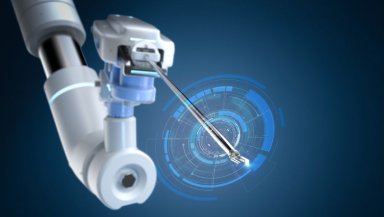
Robotic nephrectomy is a minimally invasive surgery where a kidney is removed using small cuts and robotic tools controlled by the surgeon. The robotic system allows precise movements and better visualization, which helps reduce damage to surrounding tissues. This usually leads to less pain, smaller scars, and faster recovery compared to open surgery. Before the procedure, patients undergo tests, follow specific instructions, and prepare their body and mind. Proper preparation plays a key role in ensuring a smooth surgery and a faster, safer recovery.
Why Preparation Matters More Than You Think
Preparing for robotic nephrectomy is not just about showing up on the day of surgery. It begins days or even weeks before the procedure. Proper preparation helps reduce complications, improves recovery, and gives you a sense of control.
Many patients focus only on the surgery itself. However, what you do before surgery can directly affect how well your body heals afterward. Being prepared also reduces anxiety, because you know what to expect and how to handle it.
This is not about doing something complicated. It is about taking simple, clear steps that support your body and mind.
Understanding Your Condition Clearly
Before surgery, it is important to understand why the nephrectomy is being done. Whether it is due to cancer, damage, or another condition, knowing the reason helps you feel more confident about the choice of robotic vs open nephrectomy for your specific case.
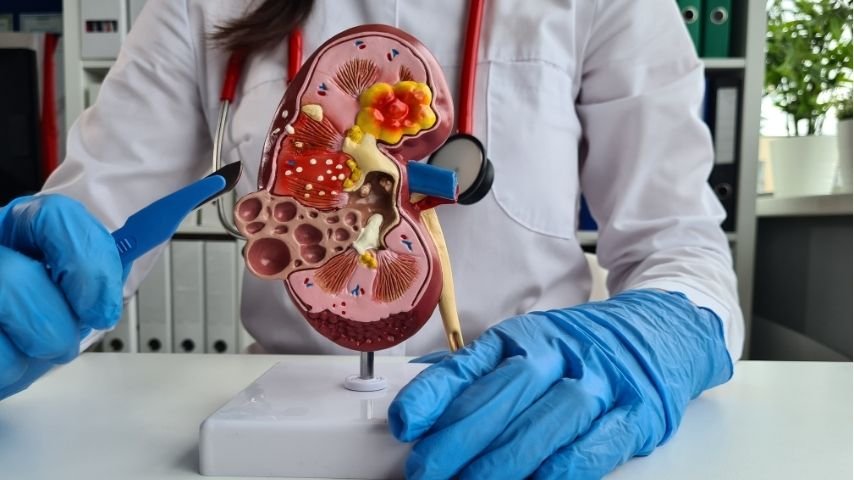
Ask your doctor to explain your condition in simple terms. Understand which kidney is being removed and whether it is a partial or complete removal.
When you understand the purpose of the surgery, it becomes easier to accept the process and stay mentally prepared.
Medical Tests and Evaluations Before Surgery
Before robotic nephrectomy, your doctor will recommend several tests. These tests ensure that your body is ready for surgery and can handle the expected robotic nephrectomy recovery time efficiently.
Blood tests check your overall health and kidney function. Imaging tests like CT scans or ultrasounds help the surgeon plan the procedure.
You may also have a heart check-up to ensure you can safely undergo anesthesia.
These evaluations are routine. They are done to reduce risk and improve safety.
It is important to complete all tests on time and share your full medical history with your doctor.
Medications: What to Continue and What to Stop
Many patients take regular medications for blood pressure, diabetes, or other conditions.
Your doctor will guide you on which medicines to continue and which ones to stop before surgery.
Blood thinners are often stopped a few days before the procedure to reduce the risk of bleeding.
Do not stop any medication on your own. Always follow medical advice.
It is also important to inform your doctor about any supplements or herbal products you are taking.
Diet Before Surgery
Food plays an important role in preparing your body.
In the days leading up to surgery, you may be advised to eat light and balanced meals. This helps your body stay strong and ready.
On the day before surgery, you may be asked to avoid heavy meals.
You will usually need to stop eating and drinking for several hours before the procedure. This is important for safe anesthesia.
Following these instructions carefully helps prevent complications during surgery.
Physical Preparation: Getting Your Body Ready
Your body heals better when it is active and strong.
If possible, stay physically active before surgery. Simple activities like walking can improve circulation and overall fitness.
Avoid smoking and alcohol, as they can affect healing and increase risks.
Good sleep is also important. A well-rested body handles surgery better.
Even small efforts in this phase can make a noticeable difference in recovery.
Mental Preparation: Managing Fear and Anxiety
It is completely normal to feel nervous before surgery.
Many patients worry about pain, recovery, or life after kidney removal. These thoughts can feel overwhelming.
Talking to your doctor can help clear doubts. Understanding the process reduces fear.
Sharing your concerns with family members can also provide emotional support.
Simple relaxation techniques like deep breathing can help calm your mind.
Mental readiness is just as important as physical preparation.
Planning for Hospital Stay
Knowing what to expect in the hospital can make the experience smoother.
Pack comfortable clothing, basic toiletries, and any essential items you may need.
Keep all your medical documents organized.
Arrange for someone to accompany you and stay in contact during your hospital stay.
Planning these small details helps reduce stress on the day of surgery.
Preparing Your Home for Recovery
Before surgery, it is helpful to prepare your home for your return.
Keep essential items within easy reach so you do not have to stretch or bend too much.
Arrange a comfortable resting area.
Stock up on simple, easy-to-cook foods.
If possible, arrange for someone to help you with daily tasks during the first few days.
These steps make your recovery smoother and more comfortable.
Understanding Post-Surgery Restrictions in Advance
It is important to know what you will and will not be able to do after surgery.
You may not be able to lift heavy objects for several weeks.
Driving and returning to work may also take time.
Understanding these limitations in advance helps you plan better.
It also prevents frustration during recovery.
Financial and Practical Planning
Surgery often comes with financial and practical considerations.
Understand the cost of the procedure, hospital stay, and follow-up visits.
Check your insurance coverage if applicable.
Plan your leave from work in advance.
Taking care of these aspects before surgery allows you to focus fully on recovery.
Questions You Should Ask Your Doctor
Before surgery, clear communication is essential.
Ask about the risks and benefits of robotic nephrectomy.
Understand how long the surgery will take and what recovery looks like.
Ask about pain management and follow-up care.
There are no wrong questions. Asking helps you feel prepared and confident.
Common Mistakes Patients Make Before Surgery
Some patients ignore pre-surgery instructions or delay important tests.
Others stop medications without consulting their doctor.
Some underestimate the importance of rest and mental preparation.
Avoiding these mistakes can make your experience smoother.
Preparation is not complicated, but it requires attention and care.
Frequently Asked Questions
- How many days before surgery should I prepare?
Preparation usually starts one to two weeks before surgery, depending on your condition. - Can I eat before robotic nephrectomy?
You will need to stop eating several hours before surgery as advised by your doctor. - Should I stop all medications?
No, only certain medications need to be stopped. Always follow your doctor’s instructions. - Is it normal to feel anxious before surgery?
Yes, feeling nervous is completely normal. - Do I need someone to stay with me after surgery?
Yes, having support at home is helpful during early recovery. - What is the most important part of preparation?
Following medical advice and being mentally and physically ready are equally important.
Conclusion
If you are preparing for robotic nephrectomy, start early and take it step by step. Understand your condition, follow your doctor’s advice, and prepare both your body and mind. The more prepared you are, the smoother your surgery and recovery will be. If you have any doubts, do not hesitate to ask your healthcare team. Being informed is the first step toward a confident and successful recovery.