Uro Oncology Excellence: Robotic Precision for Prostate, Kidney, Bladder & Testicular Cancers with Enhanced Recovery
Medicine Made Simple
Uro-oncology focuses on cancers affecting the urinary system and male reproductive organs, including the prostate, kidneys, bladder, and testicles. Modern treatment has evolved significantly with the introduction of robotic surgery, minimally invasive techniques, precision diagnostics, targeted therapies, immunotherapy, and enhanced recovery programs. These advances allow doctors to treat cancer more effectively while preserving organ function, reducing complications, minimizing hospital stays, and improving quality of life. Understanding current treatment options helps patients and families make informed decisions and approach cancer treatment with greater confidence and hope.
Introduction
A diagnosis of prostate, kidney, bladder, or testicular cancer can be overwhelming.
Many patients immediately worry about:
- Survival
- Surgery
- Sexual function
- Urinary control
- Fertility
- Recovery time
- Long-term quality of life
These concerns are completely understandable.
The urinary and reproductive systems play important roles in everyday health and well-being.
Historically, treatment often involved large operations and lengthy recoveries.
Today, however, uro-oncology has entered a new era.
Advances in:
- Robotic surgery
- Precision imaging
- Molecular diagnostics
- Organ-preserving treatments
- Immunotherapy
- Enhanced recovery protocols
Have dramatically improved outcomes for many patients.
Modern uro-oncology focuses on not only treating cancer but also preserving function and quality of life whenever possible.
What Is Uro-Oncology?
Uro-oncology is the branch of medicine dedicated to diagnosing and treating cancers of the urinary tract and male reproductive system.
The most common uro-oncological cancers include:
- Prostate cancer
- Kidney cancer
- Bladder cancer
- Testicular cancer
Each cancer behaves differently and requires an individualized treatment approach.
Understanding the Urinary System
The urinary system helps remove waste products from the body.
It includes:
- Kidneys
- Ureters
- Bladder
- Urethra
These organs work together to filter blood and produce urine.
The male reproductive system includes:
- Prostate gland
- Testicles
- Seminal structures
Cancer can develop in any of these organs.
Why Early Detection Matters
Early diagnosis remains one of the most important factors affecting outcomes.
When cancers are detected early:
- Treatment options are often less invasive
- Cure rates improve
- Organ preservation becomes more feasible
- Recovery may be easier
Many uro-oncological cancers are highly treatable when identified at an early stage.
Prostate Cancer: The Most Common Urological Cancer
Prostate cancer develops in the prostate gland, a small organ located below the bladder in men.
The prostate produces fluid that forms part of semen.
Prostate cancer is one of the most commonly diagnosed cancers among men worldwide.
Fortunately, many cases are detected before the cancer spreads.
Risk Factors for Prostate Cancer
Important risk factors include:
- Increasing age
- Family history
- Genetic factors
- Certain inherited mutations
While risk increases with age, younger men can also develop prostate cancer.
Common Symptoms of Prostate Cancer
Early prostate cancer often causes no symptoms.
As the disease progresses, symptoms may include:
- Difficulty urinating
- Weak urine stream
- Frequent urination
- Blood in urine
- Blood in semen
- Pelvic discomfort
Because symptoms can overlap with non-cancerous prostate conditions, proper evaluation is important.
How Is Prostate Cancer Diagnosed?
Diagnosis may involve:
- PSA Blood Test: Prostate-Specific Antigen (PSA) testing can help identify abnormalities. Elevated PSA levels do not always indicate cancer, but they may prompt further evaluation.
- MRI: Modern prostate MRI provides detailed imaging and helps identify suspicious areas.
- Prostate Biopsy: A biopsy confirms whether cancer is present and helps determine its aggressiveness.
Personalized Treatment for Prostate Cancer
Not every prostate cancer requires immediate treatment.
Modern care is highly individualized.
Treatment options may include:
- Active surveillance
- Surgery
- Radiation therapy
- Hormonal therapy
- Targeted therapy
The best approach depends on cancer characteristics and patient preferences.
Robotic Prostate Surgery: A Major Advancement
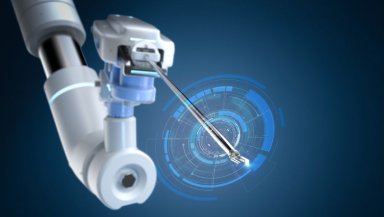
Robotic-assisted prostatectomy has become one of the most significant advances in urological cancer care.
The robotic platform allows surgeons to operate with exceptional precision.
Benefits may include:
- Smaller incisions
- Less blood loss
- Reduced pain
- Faster recovery
- Shorter hospital stay
Precision is particularly important because nerves controlling urinary and sexual function are located close to the prostate.
Preserving Urinary Control and Sexual Function
One of the primary goals of modern prostate cancer surgery is preserving quality of life.
When appropriate, surgeons may use nerve-sparing techniques to help maintain:
- Urinary continence
- Sexual function
Outcomes vary depending on:
- Cancer location
- Disease extent
- Patient health
- Surgical complexity
Kidney Cancer: Treating Cancer While Preserving Kidney Function
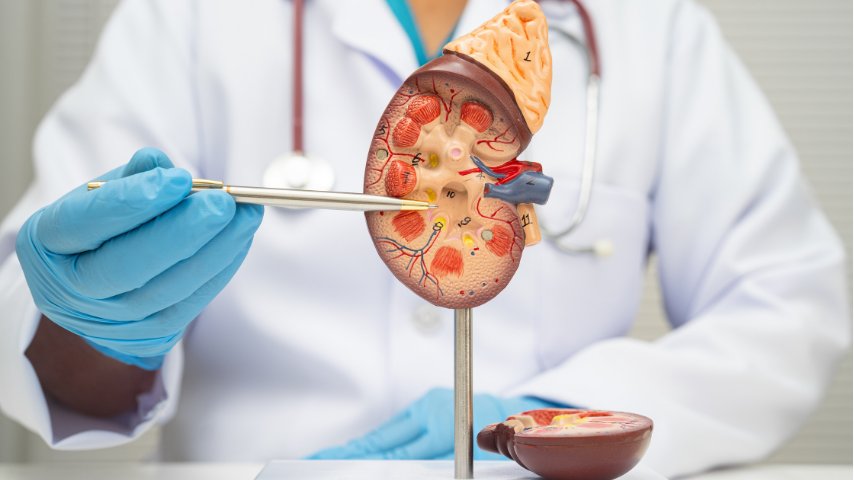
Kidney cancer begins in the kidneys, which filter waste products from the blood.
Many kidney cancers are discovered incidentally during scans performed for unrelated reasons.
This has increased early detection rates significantly.
Symptoms of Kidney Cancer
Many patients have no symptoms initially.
When symptoms occur, they may include:
- Blood in urine
- Flank pain
- Abdominal mass
- Weight loss
- Fatigue
Persistent symptoms should always be evaluated.
Modern Treatment for Kidney Cancer
Treatment depends on:
- Tumor size
- Tumor location
- Overall kidney function
- Disease stage
Partial Nephrectomy: Organ Preservation in Action
One of the biggest advances in kidney cancer surgery is partial nephrectomy.
Instead of removing the entire kidney, surgeons remove only:
- The tumor
- A small margin of healthy tissue
The remaining kidney continues functioning normally.
Benefits include:
- Preservation of kidney function
- Reduced risk of kidney disease
- Excellent cancer outcomes
Robotic Kidney Surgery
Robotic technology has greatly enhanced kidney surgery.
The robotic platform allows:
- Greater precision
- Better visualization
- Preservation of healthy tissue
This is especially important during partial nephrectomy procedures.
Bladder Cancer: Managing a Complex Disease
Bladder cancer develops within the lining of the bladder.
It is one of the most common cancers of the urinary tract.
Common Symptoms of Bladder Cancer
The most common warning sign is:
Blood in the Urine
Even a single episode should never be ignored.
Other symptoms may include:
- Frequent urination
- Burning during urination
- Urgency
- Pelvic discomfort
Understanding Different Types of Bladder Cancer
Bladder cancer may be:
- Non-Muscle Invasive: Cancer remains confined to the bladder lining.
- Muscle-Invasive: Cancer grows deeper into the bladder wall.
Treatment strategies differ significantly between these categories.
Treatment for Early Bladder Cancer
Early-stage bladder cancers are often treated using:
- Endoscopic tumor removal
- Intravesical therapies
- Careful surveillance
The goal is preserving the bladder whenever possible.
Robotic Radical Cystectomy for Advanced Disease
For more advanced cancers, bladder removal may be necessary.
Modern robotic surgery helps improve outcomes by offering:
- Smaller incisions
- Reduced blood loss
- Faster recovery
- Enhanced precision
Urinary Reconstruction After Bladder Removal
After bladder removal, surgeons create alternative pathways for urine drainage.
Options may include:
- Ileal conduit
- Continent urinary diversion
- Neobladder reconstruction
Treatment decisions are individualized.
Testicular Cancer: One of the Most Curable Cancers
Testicular cancer primarily affects younger men.
The diagnosis can be frightening because it often occurs during the most active years of life.
The encouraging news is that testicular cancer is among the most curable cancers.
Warning Signs of Testicular Cancer
Symptoms may include:
- Painless testicular lump
- Swelling
- Heaviness in the scrotum
- Testicular discomfort
Any new testicular lump should be evaluated promptly.
How Is Testicular Cancer Diagnosed?
Diagnosis may involve:
- Physical examination
- Ultrasound
- Blood tumor markers
- Imaging studies
These tests help determine the stage and guide treatment.
Treatment for Testicular Cancer
Treatment often begins with surgical removal of the affected testicle.
Additional therapies may include:
- Surveillance
- Chemotherapy
- Radiation therapy
- Advanced systemic treatments
Cure rates are exceptionally high, even when disease has spread.
Precision Oncology in Uro-Oncology
Modern cancer treatment increasingly relies on precision medicine.
Doctors now evaluate:
- Genetic mutations
- Molecular markers
- Tumor biology
This information helps select the most effective therapies for individual patients.
Targeted Therapy and Immunotherapy
Targeted therapies attack specific cancer-related pathways.
Immunotherapy helps the immune system recognize and destroy cancer cells.
These treatments have transformed care for:
- Advanced kidney cancer
- Bladder cancer
- Selected prostate cancers
Research continues to expand their role.
Enhanced Recovery After Surgery (ERAS)
Surgical recovery has improved dramatically through Enhanced Recovery After Surgery programs.
ERAS focuses on:
- Better pain control
- Early mobilization
- Improved nutrition
- Reduced complications
- Faster discharge
Patients often recover more quickly and comfortably than in the past.
Life After Urological Cancer Treatment
Cancer treatment is only one part of the journey.
Long-term survivorship care focuses on:
- Monitoring for recurrence
- Managing side effects
- Preserving quality of life
- Supporting emotional well-being
Many patients return to normal activities after treatment.
Addressing Emotional Concerns
Urological cancers often affect deeply personal areas of life.
Patients may worry about:
- Masculinity
- Fertility
- Sexual health
- Relationships
- Future health
Open communication with healthcare providers is important.
Support services can help patients and families navigate these challenges.
Fertility Preservation: An Important Conversation
For younger patients, fertility preservation may be an important consideration.
Options may include:
- Sperm banking
- Fertility counseling
- Reproductive planning
Whenever possible, these discussions should occur before treatment begins.
Looking Toward the Future
Uro-oncology continues to evolve rapidly.
Researchers are exploring:
- Artificial intelligence-assisted diagnosis
- Advanced robotic platforms
- Precision molecular therapies
- Personalized cancer vaccines
- Novel immunotherapies
- Improved imaging technologies
These advances are helping make treatment safer, more effective, and increasingly personalized.
Conclusion
Modern uro-oncology combines robotic precision, organ-preserving surgery, targeted therapies, immunotherapy, and enhanced recovery programs to deliver highly personalized cancer care. Whether treating prostate, kidney, bladder, or testicular cancer, today's focus extends beyond cancer control to preserving function, minimizing complications, and improving quality of life. Early diagnosis, expert multidisciplinary care, and access to advanced treatment options remain the foundation of successful outcomes.
If you experience blood in the urine, urinary symptoms, a testicular lump, elevated PSA levels, or have concerns about urological cancer risk, seek evaluation from a uro-oncology specialist. Early diagnosis and access to modern treatment options can significantly improve outcomes and recovery.