How Long Does a Tracheal Stent Stay In? When Doctors Remove or Replace It
Medicine Made Simple
A tracheal stent is a small tube placed inside the windpipe to keep the airway open when it becomes narrow or blocked. Patients often wonder whether the stent is permanent and how long it will remain in the airway. The answer depends on the cause of the airway narrowing and the type of stent used. Some stents are placed temporarily while the airway heals, while others may stay in place for a longer period to provide ongoing support. Doctors regularly monitor the airway using bronchoscopy and imaging tests to decide when the stent should be removed, replaced, or kept in place.
Why Tracheal Stents Are Used
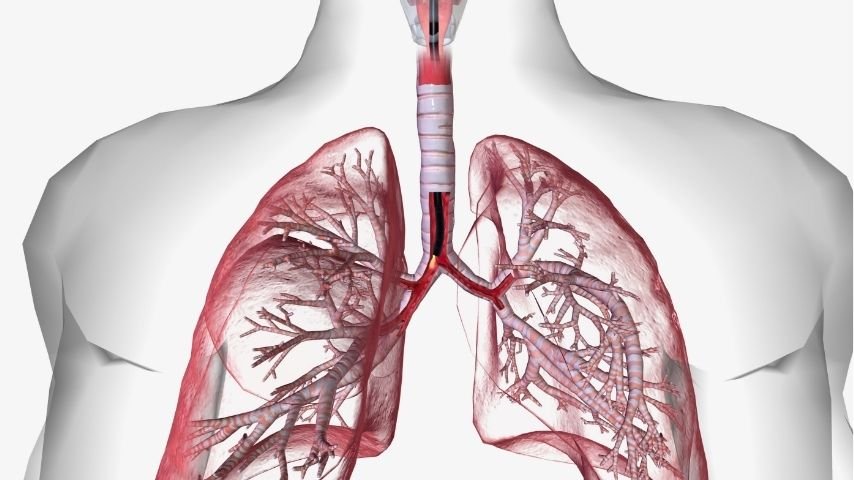
The windpipe, also known as the trachea, is the main airway that carries air from the throat to the lungs. Its structure is supported by cartilage rings that keep it open during breathing.
When the airway becomes narrow, air cannot move freely into the lungs. This narrowing can cause symptoms such as breathlessness, persistent coughing, and noisy breathing.
Several conditions can lead to airway narrowing. Scar tissue may develop after prolonged intubation in the intensive care unit, leading to Post Intubation Tracheal Stenosis. Tumors can grow inside the airway or compress it from nearby structures. Infections or inflammation may cause swelling that reduces the airway diameter.
In some patients, the airway walls become weak and collapse during breathing.
When these conditions significantly affect breathing, doctors may place a tracheal stent to hold the airway open and restore airflow.
What a Tracheal Stent Does
A tracheal stent is a small hollow tube designed to support the airway from the inside. Once placed inside the narrowed section of the airway, the stent expands and presses gently against the airway walls.
This support prevents the airway from collapsing or narrowing further. By keeping the airway open, the stent allows air to move freely into the lungs.
Many patients experience improvement in breathing soon after the stent is placed.
The goal of Tracheal Stent Placement is to restore airflow and improve quality of life while addressing the underlying cause of the airway obstruction.
Are Tracheal Stents Permanent
One of the most common questions patients ask is whether the stent will remain in the airway permanently.
In many cases, tracheal stents are not permanent. They are often used as temporary support while doctors treat the underlying condition causing the airway narrowing.
For example, when scar tissue narrows the airway, procedures such as Tracheal Balloon Dilatation Procedure may be performed to widen the airway. A stent may then be placed temporarily to help the airway remain open while healing occurs.
Once the airway stabilizes, doctors may remove the stent.
However, in certain situations where the airway problem cannot be fully corrected, the stent may remain in place for a longer period.
Factors That Determine How Long a Stent Stays In
The length of time a tracheal stent remains in the airway depends on several factors.
The cause of the airway narrowing plays an important role. Patients with benign conditions such as scar tissue may require temporary stenting while the airway heals. Tracheal Stenosis is one of the most common conditions requiring careful evaluation.
Patients with airway obstruction caused by tumors may require longer-term stenting to maintain airflow.
The type of stent used also affects how long it stays in place. Silicone stents are often used when doctors expect the airway to recover. These stents can be removed or adjusted relatively easily.
Metal stents are designed to provide strong structural support and may remain in place for longer periods. However, removing metal stents can be more complex.
The patient’s symptoms and response to treatment also influence how long the stent remains in place.
How Doctors Monitor the Stent
After placing a tracheal stent, doctors schedule follow-up visits to evaluate the airway and ensure that the stent is functioning properly.
Imaging tests such as CT scans may be used to examine the airway and confirm that the stent remains in the correct position.
Bronchoscopy is often used to inspect the stent directly. During bronchoscopy, a thin camera is inserted into the airway so that doctors can see how the stent is interacting with the airway lining.
These evaluations help determine whether the airway has improved enough for the stent to be removed.
When a Stent May Be Removed
If the underlying cause of airway narrowing improves, doctors may decide to remove the stent.
For example, when scar tissue has been successfully treated and the airway remains open without support, the stent may no longer be necessary.
Removal is typically performed using bronchoscopy. During this procedure, doctors carefully grasp the stent and remove it through the bronchoscope.
Because the procedure is minimally invasive, recovery is usually quick.
After removal, doctors continue monitoring the airway to ensure that it remains open.
When a Stent May Need Replacement
In some situations, a tracheal stent may need to be replaced.
Over time, mucus buildup or tissue growth may affect how the stent functions. If this occurs, doctors may perform bronchoscopy to clean the stent or replace it with a new one.
Stents may also need replacement if they move from their original position or if the airway condition changes.
Replacing the stent helps maintain proper airflow and prevents breathing difficulties from returning.
Living With a Tracheal Stent
Patients with tracheal stents often experience significant improvement in breathing.
Daily activities such as walking, speaking, and sleeping may become more comfortable once the airway obstruction is relieved.
Patients are encouraged to attend regular follow-up visits and report any changes in breathing.
Staying hydrated and maintaining good airway hygiene can also help prevent mucus buildup around the stent.
With proper care and monitoring, many patients live comfortably with airway stents. Understanding Tracheal Stent Complications helps patients manage potential issues proactively.
The Role of Interventional Pulmonology
Tracheal stent placement and management are usually handled by specialists trained in interventional pulmonology.
Interventional pulmonologists are lung specialists who perform advanced bronchoscopic procedures to diagnose and treat airway conditions.
These specialists use minimally invasive techniques to manage complex airway problems.
Procedures such as airway dilation, tumor removal, cryotherapy, and stent placement allow doctors to restore airflow without major surgery.
Their expertise helps ensure that airway stents are used safely and effectively.
Conclusion
Tracheal stents are important tools used to treat severe airway narrowing. By supporting the airway from the inside, these devices help restore airflow and improve breathing.
In many cases, stents are placed temporarily while the underlying airway condition is treated. In other situations, longer-term stenting may be necessary to maintain airway stability.
Doctors regularly monitor the airway using imaging tests and bronchoscopy to determine whether the stent should remain in place, be removed, or be replaced.
With careful monitoring and specialized care, tracheal stents can significantly improve breathing and quality of life.
Call to Action
If you or a loved one have been diagnosed with airway narrowing or have questions about tracheal stent placement, consult a pulmonologist or interventional pulmonology specialist. Early evaluation and expert care can help determine the best treatment approach and ensure long-term airway health.
References and Sources
Cleveland Clinic – Airway Stents and Tracheal Stenosis