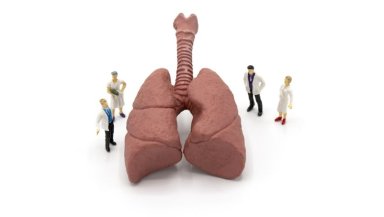
Can a Tracheal Stent Move or Get Blocked? Understanding Possible Complications

Medicine Made Simple
A tracheal stent is a small tube placed inside the windpipe to keep the airway open when it becomes narrow or blocked. This treatment can significantly improve breathing and quality of life. However, like any medical device, airway stents can sometimes cause complications. Two concerns patients often have are whether the stent can move from its position or become blocked by mucus or tissue. While these issues are possible, they are usually manageable with regular follow-up and monitoring. Understanding these potential complications helps patients recognize symptoms early and seek timely medical care. Tracheal Stent Complications are an important consideration before the procedure.
Why Tracheal Stents Are Used
The windpipe, also known as the trachea, is the main airway that carries air from the throat to the lungs. Under normal conditions, the trachea remains open because it is supported by rings of cartilage that maintain its structure during breathing.
However, certain conditions can cause the airway to become narrow or blocked. These conditions may include scar tissue formation, tumors, infections, inflammation, or weakness of the airway walls. Tracheal Stenosis is a common cause of airway narrowing.
When the airway becomes severely narrow, breathing becomes difficult because air cannot move freely into the lungs. In these situations, doctors may place a tracheal stent to reopen the airway.
A tracheal stent acts as a support structure inside the airway. Once it is placed inside the trachea, it expands and holds the airway open, allowing air to pass through more easily.
Many patients experience significant improvement in breathing after the stent is placed. Procedures like Tracheal Balloon Dilatation Procedure may also be considered before stent placement to widen the airway.
How Tracheal Stents Stay in Position
When a tracheal stent is placed, doctors carefully position it in the narrowed part of the airway using bronchoscopy. Bronchoscopy is a procedure that allows doctors to see inside the airway using a thin tube with a camera.
Once the stent is released in the correct position, it expands and presses gently against the walls of the airway. This pressure helps keep the stent stable and prevents it from moving.
Some stents have special design features that help them remain in place. For example, silicone stents may have small studs or ridges on the outer surface that help anchor them against the airway lining.
Metal stents are designed to expand and conform closely to the airway walls, which also helps them remain stable.
Although these designs help keep the stent in position, certain factors may occasionally cause the stent to shift. The Tracheal Stent Duration can influence how often monitoring and follow-up are needed.
Can a Tracheal Stent Move
In some situations, a tracheal stent may move slightly from its original position. This is called stent migration.
Stent migration can occur if the stent does not fit perfectly in the airway or if the airway changes shape over time. Excessive coughing or changes in airway pressure may also contribute to movement.
When a stent shifts position, it may partially block the airway or move away from the area that needed support. This can lead to a return of breathing symptoms such as breathlessness or noisy breathing.
Fortunately, doctors monitor patients closely after stent placement. If a stent moves, it can usually be repositioned or replaced during bronchoscopy.
Regular follow-up visits help ensure that the stent remains in the correct position.
Can a Tracheal Stent Become Blocked
Another concern patients often have is whether the stent can become blocked.
Because the stent sits inside the airway, mucus produced by the respiratory system can sometimes collect around it. This mucus buildup may partially block the airway or make breathing feel uncomfortable.
In some cases, tissue may grow around the stent over time. This tissue growth can sometimes narrow the airway again.
Infections may also cause increased mucus production, which can contribute to blockage.
Although these issues are possible, they are usually manageable with proper medical care and follow-up.
Symptoms That May Indicate a Problem With the Stent
Patients with airway stents should pay attention to changes in their breathing or respiratory symptoms.
One common sign of a possible problem is worsening breathlessness after an initial period of improvement. If the stent becomes blocked or moves out of position, airflow may become restricted again.
Persistent coughing or difficulty clearing mucus may also indicate that mucus has accumulated around the stent.
Noisy breathing or wheezing may occur if the airway becomes partially obstructed.
Increased mucus production, fever, or chest discomfort may suggest infection.
Any of these symptoms should be reported to a healthcare provider so that the airway can be evaluated.
How Doctors Check the Stent
Doctors usually schedule follow-up visits after a tracheal stent is placed. During these visits, they evaluate how well the stent is functioning and whether the airway remains open.
Imaging tests such as chest CT scans can provide detailed pictures of the airway and help identify changes in the stent position.
Bronchoscopy is often used to examine the stent directly. This procedure allows doctors to see the inside of the airway and assess whether the stent remains in the correct position.
If mucus or tissue buildup is present, doctors can remove it during bronchoscopy.
If the stent has moved, it can often be repositioned or replaced during the same procedure.
Preventing Mucus Blockage
Patients with airway stents are often advised to follow certain measures that help reduce mucus buildup.
Staying well hydrated helps thin mucus, making it easier to clear from the airway.
Doctors may recommend airway clearance techniques or medications that help loosen mucus.
Regular follow-up visits allow doctors to monitor mucus accumulation and remove any buildup if necessary.
These steps help maintain proper airflow through the stent.
Are These Complications Common
Although complications such as stent migration or blockage can occur, they are not experienced by every patient.
Many people live comfortably with airway stents and experience significant improvement in breathing.
The likelihood of complications depends on factors such as the type of stent used, the underlying airway condition, and the patient’s overall health.
Careful placement by experienced specialists and regular monitoring greatly reduce the risk of serious problems.
The Role of Interventional Pulmonology
Airway stent placement and management are part of a specialized field called interventional pulmonology. Interventional pulmonologists are lung specialists trained in advanced bronchoscopic procedures.
These specialists use minimally invasive techniques to diagnose and treat airway conditions.
Procedures such as airway dilation, stent placement, tumor removal, and cryotherapy allow doctors to manage complex airway problems without major surgery.
Their expertise helps ensure that airway stents are placed safely and monitored effectively.
Living With an Airway Stent
For many patients, airway stents provide significant relief from breathing difficulties. Once the airway is reopened, activities such as walking, speaking, and exercising often become easier.
Patients who receive airway stents typically return to their normal daily routines after recovery from the procedure.
Regular follow-up care remains important to ensure that the stent continues to function properly.
By working closely with their healthcare team and monitoring symptoms, patients can maintain good airway health and quality of life.
Conclusion
Tracheal stents are effective tools used to treat severe airway narrowing. By supporting the airway from the inside, these devices help restore airflow and relieve breathing difficulties.
Although complications such as stent migration or blockage can occur, they are usually manageable with proper monitoring and follow-up care.
Recognizing symptoms early and attending regular medical visits helps ensure that any issues are addressed promptly.
With modern bronchoscopic techniques and specialized airway care, many patients with tracheal stents experience lasting improvement in breathing and overall well-being.
If you or a loved one have an airway stent and notice changes in breathing, persistent coughing, or increased mucus production, consult a pulmonologist or airway specialist. Early evaluation helps ensure that the stent continues to function properly and that breathing remains comfortable.
References and Sources
Cleveland Clinic – Airway Stents and Airway Disorders