Laparoscopic vs Open Distal Pancreatectomy: Which Recovery Is Better?
Medicine Made Simple
Distal pancreatectomy is a surgery where the body and tail of the pancreas are removed, and sometimes the spleen is also removed. This surgery can be performed using two main approaches: laparoscopic surgery with small cuts or open surgery with a larger incision. Many patients want to know which recovery is easier and safer. Laparoscopic surgery often leads to less pain and faster recovery, but it is not suitable for everyone. Open surgery may be necessary for larger tumors or more complex conditions. Understanding both approaches helps patients feel more prepared, informed, and confident before surgery.
What Is a Distal Pancreatectomy?
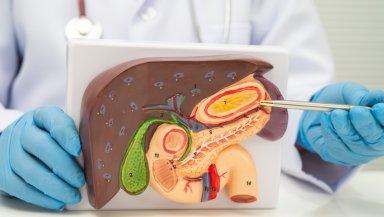
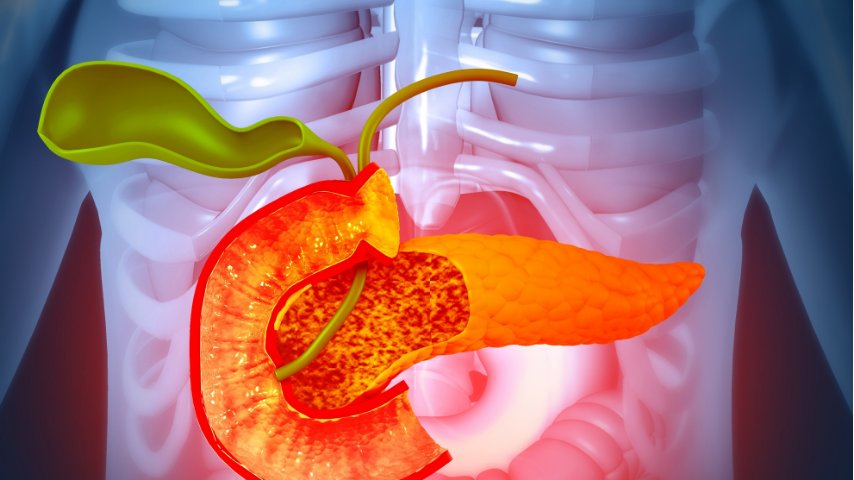
The pancreas is an important organ located behind the stomach. It helps digest food by producing digestive enzymes and also controls blood sugar by producing hormones like insulin.
The pancreas has three main parts:
- Head
- Body
- Tail
A distal pancreatectomy is a surgery where the body and tail of the pancreas are removed. This operation is commonly performed for:
- Pancreatic cysts
- Pancreatic tumors
- Neuroendocrine tumors
- Chronic pancreatitis
- Pancreatic cancer affecting the left side of the pancreas
Because the spleen lies very close to the tail of the pancreas, it is often removed during the same operation. This is called distal pancreatectomy with splenectomy.
The surgery can be performed in two main ways:
- Laparoscopic surgery
- Open surgery
Many patients are told they need surgery but may not fully understand why one method is recommended over the other.
What Is Laparoscopic Distal Pancreatectomy?
Laparoscopic surgery is often called minimally invasive surgery or keyhole surgery.
Instead of one large incision, the surgeon makes several small cuts in the abdomen. A small camera called a laparoscope is inserted through one opening, while surgical instruments are inserted through the others.
The surgeon watches the operation on a screen and performs the procedure through these small openings.
This approach usually offers:
- Smaller scars
- Less pain after surgery
- Shorter hospital stay
- Faster movement after surgery
- Earlier return to daily activities
Many patients prefer laparoscopic surgery because smaller cuts feel less intimidating.
However, smaller incisions do not mean smaller surgery. The operation inside the body is still major and requires careful recovery.
What Is Open Distal Pancreatectomy?
Open surgery uses one larger incision in the abdomen so the surgeon can directly see and handle the pancreas and surrounding organs.
This approach is often chosen when the surgery is more complicated or when better visibility is needed for safety.
Open surgery may be recommended for:
- Large tumors
- Cancer involving nearby blood vessels
- Severe inflammation
- Scar tissue from previous surgeries
- Complex anatomy
- Situations where laparoscopic surgery may not be safe
Some patients feel disappointed when they hear they need open surgery instead of laparoscopic surgery.
But the goal is always safety first, not simply smaller scars.
Is Laparoscopic Surgery Always Better?
Many people assume laparoscopic surgery is automatically better because recovery is often faster.
That is not always true.
The best operation is the safest operation for the individual patient.
Laparoscopic surgery can be excellent when performed in the right situation, but forcing minimally invasive surgery in a difficult case may increase complications.
Doctors decide based on factors such as:
- Tumor size
- Tumor location
- Suspicion of cancer
- Involvement of nearby blood vessels
- Previous abdominal surgeries
- Overall health and body structure
- Surgeon experience
Sometimes surgery begins laparoscopically but needs to be converted to open surgery during the operation for safety reasons.
This is not considered a failure. It reflects good surgical judgment.
Which Surgery Usually Causes Less Pain?
In general, laparoscopic surgery usually causes less pain after surgery because the incisions are smaller.
Patients often experience:
- Less incision discomfort
- Easier walking
- Faster movement
- Less pain when coughing or changing position
Open surgery often causes more discomfort because the abdominal incision is larger and more muscle tissue is affected.
However, pain can usually be managed well in both approaches with proper medication and hospital care.
Pain should not be the only factor when choosing surgery. A safer open surgery is always better than a risky laparoscopic attempt.
Which Surgery Has a Shorter Hospital Stay?
Laparoscopic distal pancreatectomy often allows a shorter hospital stay.
Patients may go home earlier because:
- Pain improves sooner
- Walking starts earlier
- Eating improves faster
- Smaller wounds heal more quickly
Open surgery often requires a longer stay because recovery tends to be slower and the body needs more healing time.
However, hospital stay also depends on factors such as:
- Pancreatic leak
- Infection
- Drain output
- Blood sugar control
- Whether the spleen was removed
- Overall health before surgery
Even after laparoscopic surgery, complications may extend recovery time.
The surgical method helps, but safe healing matters most.
Recovery at Home: What Feels Different?
Many patients notice the biggest differences after leaving the hospital.
After laparoscopic surgery, people often feel more comfortable moving around. Walking, sleeping, and daily activities may become easier sooner.
After open surgery, patients may experience:
- More tiredness
- Greater incision discomfort
- Slower movement
- Longer weakness
- More difficulty sleeping comfortably
Heavy lifting is restricted after both surgeries, but patients who undergo open surgery often need more time before returning to full activity.
Still, both procedures require patience because internal healing takes time.
Even laparoscopic surgery does not mean full recovery within a few days.
This is part of Distal Pancreatectomy Recovery that every patient should understand.
Are the Complications Different?
Both laparoscopic and open distal pancreatectomy carry important risks.
Possible complications include:
- Pancreatic leak
- Infection
- Bleeding
- Delayed digestion recovery
- Blood sugar changes
- Need for pancreatic enzyme tablets
- Weight loss
- Hospital readmission
One of the most common concerns is pancreatic leak, where digestive fluid leaks from the cut surface of the pancreas after surgery.
This complication can happen after either type of surgery.
The surgical approach may affect comfort during recovery, but careful surgical technique and close follow-up are usually more important for preventing complications.
What About Cancer Surgery?
When cancer is involved, patients often ask whether laparoscopic surgery is still safe.
In selected patients, laparoscopic distal pancreatectomy can be effective for cancer treatment when performed by experienced pancreatic surgeons.
However, open surgery may still be preferred when:
- The tumor is large
- Nearby blood vessels are involved
- Lymph node removal is more complex
- Better direct access is needed for safe tumor removal
Cancer surgery is not only about removing the tumor.
It is about removing it completely and safely.
This is why surgeon experience matters so much.
Does Recovery Affect Diabetes Risk?
Not necessarily.
Both surgeries involve removing part of the pancreas, so blood sugar problems may occur after either operation.
The pancreas produces insulin. When part of it is removed, some patients may develop temporary or long-term diabetes.
Possible symptoms include:
- Increased thirst
- Frequent urination
- Tiredness
- Blurred vision
- High blood sugar during follow-up testing
The risk depends more on how much pancreas is removed than on whether the surgery was laparoscopic or open.
Doctors monitor blood sugar carefully after surgery.
What If the Spleen Is Also Removed?
If the spleen is removed, patients need additional precautions regardless of the surgical method used.
The spleen helps protect the body against serious infections.
Patients may need:
- Vaccinations
- Faster medical attention for fever
- Greater infection awareness
- Long-term follow-up care
Many people focus only on the pancreas and underestimate the importance of spleen removal.
Life without a spleen is manageable, but patients need proper education and awareness.
Emotional Stress Before Surgery
Many patients feel anxious before surgery and begin comparing laparoscopic and open surgery online.
Common fears include:
- Which surgery is safer?
- Will recovery be painful?
- Will I have a large scar?
- Can I return to work normally?
- Does open surgery mean my condition is worse?
These concerns are normal.
Some patients assume open surgery automatically means something serious or dangerous. Sometimes that may be true, but often it simply means the surgeon believes open surgery offers the safest approach.
The goal is successful treatment, not the smallest scar.
Understanding this often reduces unnecessary fear.
Can You Return to Normal Life After Either Surgery?
Yes. Most patients eventually return to normal life after both laparoscopic and open distal pancreatectomy.
Recovery may involve temporary weakness, digestion changes, emotional stress, weight loss, or blood sugar monitoring.
Most patients eventually return to:
- Work
- Family responsibilities
- Exercise
- Travel
- Social activities
This is reflected in overall distal pancreatectomy outcomes for most patients when recovery is uncomplicated.
Laparoscopic surgery may allow a faster return, but both approaches can lead to good long-term quality of life.
The timeline depends on healing, complications, and whether further treatment such as chemotherapy is needed.
Why Surgeon Experience Matters More Than Surgery Type
Many patients focus only on whether surgery will be laparoscopic or open.
But one of the most important factors is actually surgeon experience.
An experienced pancreatic surgeon performing open surgery is often much safer than an inexperienced surgeon attempting laparoscopic surgery.
Pancreatic surgery should ideally be performed in high-volume centers where these procedures are done regularly.
Experience improves:
- Surgical safety
- Complication management
- Cancer outcomes
- Recovery planning
- Long-term follow-up care
Patients should feel comfortable asking how often the surgeon performs this procedure.
That question matters.
Conclusion
If you or a loved one needs distal pancreatectomy, understanding the difference between laparoscopic and open surgery can reduce fear and confusion.
Laparoscopic surgery often offers faster recovery and less discomfort, but it is not the right option for every patient. Open surgery may be safer and more effective in complex situations.
The best surgery is the one that provides the safest and strongest long-term result.
Ask questions, understand your treatment plan clearly, and choose an experienced surgical team.
Confidence comes from understanding the process, not simply from having smaller scars.
References and Sources
Memorial Sloan Kettering Cancer Center – Distal Pancreatectomy
Johns Hopkins Medicine – Pancreatic Surgery