What No One Tells You About UFE Pain: Real Talk from Women Who’ve Had It
Medicine Made Simple
Uterine Fibroid Embolization (UFE) is often described as a minimally invasive and less painful alternative to surgery, but many women are not fully prepared for what the pain actually feels like after the procedure. While UFE avoids large incisions, it can cause cramping, discomfort, and fatigue as fibroids lose their blood supply and begin to shrink. The experience varies from person to person. This article explains what UFE pain really feels like, why it happens, how long it lasts, and how to manage it so patients can feel more prepared and confident.
Understanding UFE and why pain happens
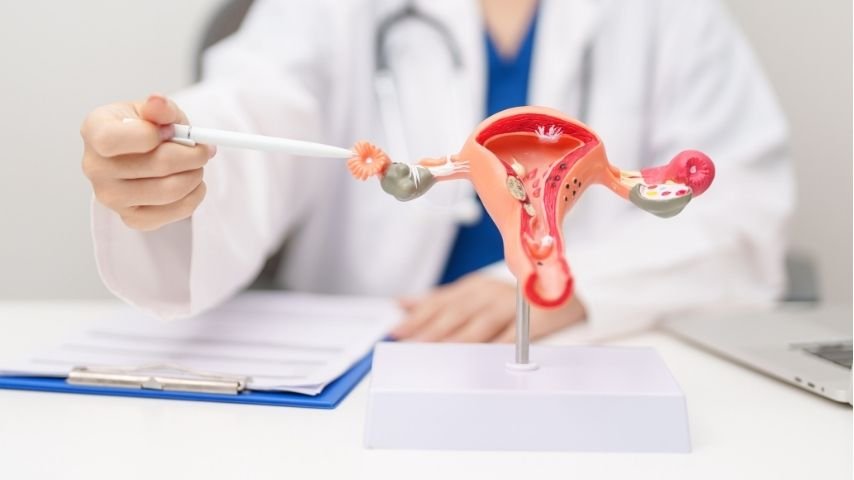
Uterine Fibroid Embolization works by blocking the blood supply to fibroids. A doctor inserts a thin tube into a blood vessel and releases tiny particles that stop blood flow to the fibroids. Without blood, fibroids begin to shrink.
This process is effective, but it also explains why pain occurs. Fibroids are living tissue. When their blood supply is cut off, they start to break down. This causes a reaction inside the body, similar to how the body responds to injury or inflammation.
The uterus is also a muscle that naturally contracts. When fibroids begin to shrink, the uterus reacts with cramping. This is the main source of pain after UFE.
Understanding this process is also important when evaluating UFE candidacy, because not every fibroid pattern responds in the same way.
What the pain actually feels like
Many women expect mild discomfort because UFE is not a major surgery. However, the pain after the procedure can be stronger than expected, especially in the first few days.
The most common description is intense cramping. It often feels similar to very strong menstrual cramps, but more constant and sometimes sharper. Some women describe it as waves of pain that come and go, while others feel a steady pressure in the lower abdomen.
There may also be a feeling of heaviness or tightness in the pelvic area. This can make it uncomfortable to move, sit, or lie down in certain positions.
In addition to cramping, some women experience lower back pain or discomfort that spreads to the legs. This happens because the pelvic region is closely connected to surrounding nerves and muscles.
Pain is one of the most discussed aspects of UFE side effects, especially in early recovery.
When does the pain start and how long does it last
Pain usually begins within a few hours after the procedure. Many women feel relatively comfortable during the procedure itself because medication is used to keep them relaxed.
Once the treatment is completed and the body starts reacting, cramping begins. The first 24 to 48 hours are often the most intense. During this time, the body is adjusting to the sudden change in blood supply to the fibroids.
After the initial phase, the pain gradually reduces. Most women notice a significant improvement within three to five days. However, mild discomfort or occasional cramping can continue for a couple of weeks.
Fatigue often accompanies pain. The body is using energy to heal and adjust, which is part of normal UFE recovery.
Why some women feel more pain than others
Not every woman experiences UFE pain in the same way. Several factors influence how intense the pain feels.
The size and number of fibroids play a role. Larger fibroids or multiple fibroids may cause more noticeable cramping because a greater area is affected.
Individual pain tolerance also matters. Some people naturally feel pain more strongly than others.
Hormonal sensitivity can influence how the uterus responds to changes. Women who already experience painful periods may notice stronger cramping after UFE.
Emotional state is another factor. Anxiety or fear can amplify the perception of pain, making it feel more intense than it physically is.
Understanding these differences helps set realistic expectations. There is no single “normal” experience.
What is post-embolization syndrome
Many women experience a combination of symptoms after UFE known as post-embolization syndrome. This includes pain, low-grade fever, nausea, and general fatigue.
This is a normal response. It happens because the body is reacting to the breakdown of fibroid tissue. The immune system becomes active, which can create flu-like symptoms.
This phase usually lasts a few days and gradually improves. While it can feel uncomfortable, it is not dangerous in most cases.
Knowing about this in advance helps reduce anxiety. Many women worry that something is wrong when they feel these symptoms, but they are actually part of the healing process.
Pain management during recovery
Pain after UFE is manageable with proper care and medication. Doctors usually provide pain relief medicines before and after the procedure to help control discomfort.
Rest is important during the first few days. The body needs time to adjust and recover. Trying to return to normal activities too quickly can make discomfort feel worse.
Hydration and light meals can help reduce nausea and support recovery. Gentle movement after the initial phase can improve circulation and reduce stiffness.
Following the doctor’s instructions closely makes a significant difference in how comfortable the recovery feels.
The emotional side of UFE pain
Pain is not just a physical experience. It also affects emotions. Many women feel anxious if the pain is stronger than expected. Some may question whether they made the right decision.
This is a natural reaction. The lack of clear, honest information often leads to unrealistic expectations.
Hearing real experiences from other women helps normalize the process. Knowing that the pain is temporary and part of healing can make it easier to handle.
As symptoms begin to improve, most women feel reassured and more confident in their decision.
What happens after the pain improves
Once the initial pain phase passes, many women begin to notice positive changes. Periods may become lighter over time. Pelvic pressure reduces as fibroids shrink. Energy levels improve as heavy bleeding decreases.
These changes do not happen instantly. Fibroids shrink gradually over weeks and months. The improvement is steady rather than sudden.
This phase is often described as a turning point. The discomfort of the first few days is replaced by a sense of relief as symptoms begin to fade.
When should you be concerned about pain
While pain after UFE is expected, there are situations where medical advice is needed. If pain becomes severe and does not improve with medication, or if it is accompanied by high fever or unusual symptoms, it is important to contact your doctor.
Persistent or worsening pain may need evaluation to rule out complications. However, serious complications are uncommon when the procedure is performed by experienced specialists.
Most women recover without major issues.
Looking at the bigger picture
UFE pain is often the part that patients are least prepared for, but it is also temporary. The discomfort is part of the body’s natural response to treatment.
When compared to surgical recovery, many women find that UFE still offers a faster and less invasive path to relief. There are no large incisions, and recovery time is shorter.
Understanding the full experience helps set realistic expectations. It allows patients to prepare mentally and physically, which makes the recovery process smoother.
Conclusion
UFE pain is real, and it can be stronger than many expect, especially in the first few days. However, it is temporary and closely linked to how the treatment works. Knowing what to expect can make a significant difference in how you experience recovery. If you are considering UFE or preparing for the procedure, speak openly with your doctor about pain management and recovery. Being informed allows you to approach the process with confidence and clarity.
References and Sources
Mayo Clinic – Uterine fibroids
Society of Interventional Radiology