Why Does an Anal Fistula Take So Long to Heal? What Patients Should Know About Drainage and Recovery
Medicine Made Simple Summary
An anal fistula can take weeks or months to heal because it is not simply a surface wound. It is an abnormal tunnel connecting the anal canal to the skin, often developing after an abscess. Even after treatment, the wound may need to heal gradually, so some drainage can continue during recovery. The type of fistula, treatment used, sphincter involvement, infection, previous surgery and individual healing can affect recovery. Persistent drainage does not always mean treatment has failed, but increasing pain, swelling, fever or recurrent discharge should be reviewed by a doctor.
Why Does an Anal Fistula Take So Long to Heal?
If you have undergone treatment for an anal fistula and are still seeing some drainage, it is natural to wonder whether something has gone wrong.
The pain may have improved. The swelling may have reduced. You may even feel ready to return to your normal routine. Yet you may still notice yellowish, clear or blood-stained fluid from the area.
This can be confusing because most people expect a surgical wound to close within a short period.
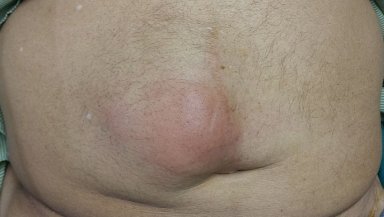
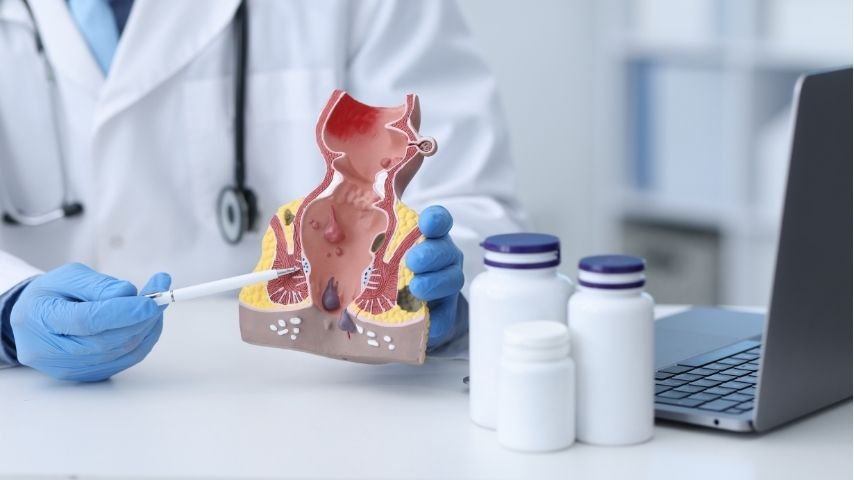
An anal fistula is different from an ordinary skin wound. It is an abnormal tunnel between the inside of the anal canal and the skin around the anus. It commonly develops after an anal abscess, when an infected pocket of pus drains but leaves a pathway behind.
Because the problem involves tissue below the skin, healing can take time. The recovery period depends on the type and complexity of the fistula, the treatment performed and your individual health.
How Does an Anal Fistula Develop?
The anal canal contains small glands. Sometimes one of these glands becomes blocked and infected. Pus then collects around the area and forms an abscess.
An abscess can cause severe pain, swelling, redness and sometimes fever. When it drains, either naturally or through surgical drainage, the pressure decreases and the pain may improve quickly.
However, the infection can leave behind a small tunnel connecting the anal canal to the skin. This tunnel is the fistula.
The important point is that an abscess and a fistula are not the same thing. The abscess is the collection of infection. The fistula is the abnormal tunnel that may remain after the abscess has drained.
This explains why some patients feel much better after an abscess drains but continue to experience intermittent discharge.
Why Can Drainage Continue After Fistula Surgery?
Persistent drainage is one of the biggest concerns during recovery.
However, drainage does not automatically mean that surgery has failed.
Depending on the procedure, the treated area may intentionally be left open so that it can heal gradually from the deeper tissue towards the surface. After a fistulotomy, for example, the fistula tract is opened and allowed to heal as a wound.
During this process, some fluid or a small amount of blood may be seen.
The amount of drainage can also change from day to day. You may notice more discharge after walking, exercising or passing stool because movement can encourage fluid to drain from the healing area.
The important thing is the overall pattern.
If pain and swelling are gradually improving and drainage is reducing over time, healing may be progressing normally.
If drainage suddenly increases or is accompanied by new pain, swelling or fever, you should contact your doctor.
How Long Does Anal Fistula Healing Take?
There is no single recovery period that applies to everyone.
A simple fistula treated with fistulotomy may heal relatively quickly. A complex fistula may take considerably longer, particularly if it has multiple branches or involves the anal sphincter.
Previous fistula surgery can also affect recovery because scar tissue may make the area more difficult to treat.
Your general health matters as well. Conditions such as diabetes, smoking and poor nutrition can interfere with wound healing.
This means that comparing your recovery with another patient's can be misleading. Two people can have apparently similar procedures and still recover at different speeds.
A slower recovery does not automatically mean that the treatment has failed.
Why Is the Wound Sometimes Left Open?
Many patients expect surgical wounds to be closed with stitches.
With some fistula procedures, however, the wound may be deliberately left open.
This allows it to heal from the inside outward. New tissue gradually fills the treated area, making the wound shallower and smaller until the skin eventually closes over it.
This process can take longer than healing a simple cut, but it can help prevent infection or fluid from becoming trapped underneath the surface.
Your surgeon will tell you how to care for the wound. Keeping the area clean without excessive rubbing or harsh products is generally important.
What Is Normal Drainage During Recovery?
Healing fluid can be clear, slightly yellow or occasionally blood-stained, particularly during the early stages.
Some patients use gauze or a small pad to protect their clothing and monitor the amount of drainage.
A small amount of drainage can continue while the wound heals.
However, colour alone cannot tell you whether the fistula has healed.
If the amount of drainage is gradually decreasing and your discomfort is improving, this can be reassuring.
If the drainage becomes significantly heavier, develops a strong foul smell or is accompanied by increasing pain or swelling, medical review is important.
What If You Have a Seton?
Recovery can be different if a seton has been placed.
A seton is a thin surgical material placed through the fistula tract. It is often used when the fistula involves the sphincter muscles and the surgeon wants to maintain drainage without cutting those muscles.
Because the seton keeps the pathway open, drainage can continue while it is in place.
This does not necessarily mean that treatment has failed.
A seton may be part of a staged treatment plan. It may remain for several weeks or longer depending on the individual case.
Patients should ask their surgeon whether their seton is intended for temporary drainage, staged treatment or longer-term management.
Why Can Pain Come and Go?
Pain generally improves as healing progresses, but recovery does not always happen in a perfectly straight line.
You may feel comfortable for several days and then experience some soreness after increased activity or bowel movements.
Constipation can also make the area uncomfortable because hard stools and straining put pressure on the healing wound.
Keeping stools soft through adequate fluids, appropriate fibre and medicines recommended by your doctor can make bowel movements more comfortable.
However, increasing or severe pain should not be ignored, especially if it is accompanied by a new lump or swelling.
This can indicate another abscess.
Can You Return to Work and Exercise?
Recovery depends on the procedure and the type of work you do.
Someone with a desk-based job may return relatively quickly, while someone whose work involves lifting or physical activity may need more time.
Gentle walking is generally a useful way to remain active during recovery.
Strenuous exercise, running, cycling and heavy lifting may need to be delayed until your surgeon confirms that it is safe.
Your body may feel better before the deeper tissues have completely healed. Therefore, do not use the absence of pain as the only guide for returning to intense activity.
Follow the activity restrictions provided by your surgical team.
How Can You Tell Healing From Recurrence?
This is difficult to determine at home because both healing and recurrence can involve drainage.
During normal healing:
- Pain and swelling generally decrease.
- The wound gradually becomes smaller.
- Drainage usually reduces over time.
With recurrence, symptoms may return after a period of improvement. You may notice a new lump, increasing pain or renewed pus discharge.
A fistula may also appear to have healed before the external opening closes and another abscess develops.
There is no reliable home test to confirm whether a fistula has completely healed.
If your surgeon is concerned about persistent or recurrent disease, an examination or imaging such as an MRI may be recommended to understand the fistula pathway.
When Should You Contact Your Doctor?
Contact your healthcare team if drainage is increasing rather than reducing, particularly if it is associated with pain or swelling.
A new painful lump near the anus can indicate an abscess. Fever, chills or feeling generally unwell can also indicate infection.
Heavy bleeding, worsening redness around the wound or significant difficulty controlling bowel movements should also be assessed.
These symptoms do not automatically mean that a serious complication has occurred. They simply mean that you should not try to diagnose the problem yourself.
A physical examination is much more reliable than judging recovery based only on the amount or colour of discharge.
What Can Affect Fistula Healing?
The complexity of the fistula is one of the most important factors.
A simple fistula is generally easier to treat than one with multiple branches or significant sphincter involvement.
Previous surgery can also make treatment more challenging because scar tissue may alter the anatomy.
Infection can delay healing.
Certain medical conditions can affect tissue repair. Diabetes, smoking and poor nutrition can all interfere with the body's ability to heal.
If you smoke, stopping can support recovery and reduce surgical risks. If you have diabetes, maintaining good blood sugar control is important.
Good nutrition also provides the body with the nutrients needed to repair tissue.
The Key Takeaway
An anal fistula can take longer to heal than patients expect because it is not simply a wound on the surface. It is an abnormal tunnel involving deeper tissue.
After treatment, the wound may need to heal gradually. This means some drainage can continue during recovery.
A small amount of discharge does not automatically mean that the surgery has failed.
What matters is the overall pattern. If pain and swelling are decreasing and drainage is gradually reducing, healing may simply need more time.
However, increasing pain, a new lump, worsening swelling, fever, foul-smelling discharge or renewed symptoms after a period of complete healing should be assessed by a doctor.
If you have a seton, drainage may continue because the seton is intentionally keeping the pathway open. This can be part of the planned treatment rather than a sign of failure.
Conclusion
Recovery from anal fistula treatment can be frustrating because improvement may not happen as quickly as patients expect.
The condition is different from a simple skin wound. The fistula involves a tunnel beneath the surface, and treatment may require the area to heal gradually.
Some drainage during recovery can therefore be normal.
The important thing is to watch the overall trend rather than focusing on one day's symptoms. Less pain, less swelling and gradually decreasing drainage are generally more reassuring than a sudden increase in symptoms.
If you develop increasing pain, swelling, fever, heavy bleeding or a new painful lump, contact your doctor.
If drainage continues for longer than expected, do not automatically assume that the fistula has returned. Your surgeon can examine the wound and determine whether it is healing normally or whether further investigation is needed.
Every fistula is different. The treatment used, the complexity of the tract and your individual health all influence recovery.
If you are concerned about delayed healing, a review by a colorectal surgeon can provide clarity and help determine whether you simply need more time or whether further treatment is required.
References and Sources
Guy's and St Thomas' NHS Foundation Trust – Anal Fistula Treatment