Gallbladder Removal: Will I Actually Feel Better After Surgery? What to Expect Before You Say Yes
Medicine Made Simple Summary
Gallbladder removal, medically called cholecystectomy, is usually recommended when gallstones cause repeated pain, inflammation, blockage or other complications. The goal of surgery is not simply to remove gallstones but to remove the gallbladder where the stones form. Most people can live normally without a gallbladder because the liver continues to produce bile and digestion can continue. For patients whose symptoms are genuinely caused by gallstones, surgery can prevent further attacks and related complications. However, recovery takes time, and not every symptom disappears immediately or is necessarily caused by gallstones.
Why Are You Being Asked to Remove Your Gallbladder?
Being told that your gallbladder needs to be removed can bring up a lot of questions.
The first is often, “Will I actually feel better after the operation?”
The second may be, “What if my pain was caused by something else?”
And for many people, there is another concern.
“What if I have surgery and still have the same symptoms?”
These are reasonable questions.
Gallbladder removal, or cholecystectomy, is commonly recommended when gallstones are causing problems such as repeated abdominal pain, inflammation or blockage of the bile ducts. People who have gallstones without symptoms usually do not need their gallbladder removed simply because stones were found on a scan.
The important point is that surgery is generally intended to treat symptomatic gallstone disease.
It is not simply a treatment for an ultrasound report that says “gallstones.”
Understanding this distinction can help you make a more informed decision.
What Does the Gallbladder Actually Do?
Before understanding life after gallbladder removal, it helps to understand what the gallbladder does.
Your liver continuously produces a digestive fluid called bile.
Bile helps your body digest fats.
The gallbladder is a small pouch underneath the liver. Its job is mainly to store and concentrate bile until your body needs it.
When you eat, the gallbladder contracts and releases bile into the small intestine.
Gallstones can form inside this organ.
Many people have gallstones without experiencing any symptoms. These are known as silent gallstones. They usually do not need treatment.
The problem occurs when a stone blocks the normal flow of bile.
That can cause a gallbladder attack, inflammation or other complications.
What Is a Gallbladder Attack?
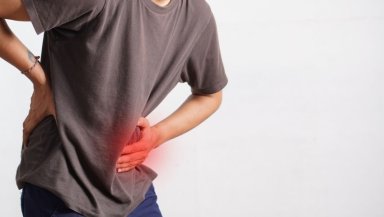
A gallbladder attack is often described as severe or persistent pain in the upper right or upper middle part of the abdomen.
The pain can last for several hours.
It may occur after a heavy meal and can sometimes spread towards the back or shoulder.
Nausea and vomiting may occur as well.
NIDDK explains that gallbladder attacks happen when gallstones block the bile ducts and that people who have experienced one attack are likely to have further attacks.
The attack may eventually stop when the stone moves and the blockage clears.
This can create a confusing situation.
You may feel extremely unwell one evening and completely normal a few days later.
That can make surgery seem unnecessary.
But the disappearance of pain does not necessarily mean that the underlying problem has disappeared.
The gallstones may still be there.
Will Removing the Gallbladder Actually Stop the Pain?
If your pain is genuinely being caused by symptomatic gallstones, gallbladder removal is intended to stop those gallstone-related attacks.
This is one of the main reasons the operation is recommended.
The gallbladder is removed so that the organ containing the stones is no longer present.
Mayo Clinic states that cholecystectomy can relieve the pain and discomfort caused by gallstones and, in most people, prevents gallstones from returning.
This does not mean that every person who has abdominal pain and gallstones will become pain-free after surgery.
That distinction is extremely important.
Gallstones may be an incidental finding.
If your abdominal pain is actually caused by acidity, an ulcer, irritable bowel syndrome, pancreatitis or another condition, removing the gallbladder may not solve the underlying problem.
This is why your doctor needs to establish whether the symptoms and scan findings fit together before recommending surgery.
What If You Have Gallstones but Your Pain Is Unclear?
Gallstones are common.
So are many other causes of abdominal discomfort.
This means that finding gallstones on an ultrasound does not automatically prove that they caused your pain.
For example:
- Indigestion can cause upper abdominal discomfort.
- Acid reflux can cause burning.
- A peptic ulcer can cause pain.
- Pancreatitis can cause severe upper abdominal pain.
- Some bowel conditions can also produce symptoms that patients mistake for gallbladder pain.
NIDDK notes that gallstone symptoms can resemble other conditions, including ulcers, pancreatitis and gastroesophageal reflux disease.
This is why your doctor may ask detailed questions about exactly where the pain occurs, how long it lasts, what triggers it and whether you have associated symptoms.
The better the diagnosis, the more likely the treatment will address the actual problem.
What Happens During Gallbladder Removal?
The most common method is laparoscopic cholecystectomy, also called keyhole gallbladder surgery.
The operation is performed under general anaesthesia, so you are asleep and do not feel the surgery.
The surgeon makes several small cuts in the abdomen.
A thin camera called a laparoscope is inserted through one of these openings.
The abdomen is gently inflated with gas to create space for the surgeon to see and operate.
Small surgical instruments are then used to separate and remove the gallbladder.
The operation usually takes around an hour, although the exact duration varies from patient to patient.
Most people can go home on the same day or after an overnight stay.
Because the incisions are small, recovery is generally quicker than after traditional open surgery.
Why Can You Live Without a Gallbladder?
This is one of the most important things to understand before surgery.
You are not losing your body's ability to make bile.
Your liver continues to produce bile after cholecystectomy.
The difference is that the bile no longer has a gallbladder in which to collect and concentrate.
Instead, it flows directly from the liver through the bile ducts and into the small intestine.
NIDDK confirms that the gallbladder is not an essential organ and that people can live normally without one.
This is why most people can eventually return to their usual diet and lifestyle after surgery.
The operation changes the way bile is stored.
It does not stop digestion.
Will Your Digestion Feel Different After Surgery?
It can feel slightly different at first.
Some people experience:
- Bloating.
- Looser stools.
- Difficulty tolerating very fatty meals during the early recovery period.
Others notice very little change at all.
NIDDK notes that a small number of people may have softer and more frequent stools after gallbladder removal because bile flows into the intestine more frequently. These changes are usually temporary.
This is why your first few weeks should not necessarily be used to judge what life will be like permanently.
Your digestive system needs time to adjust.
You may find that smaller meals are more comfortable initially.
You can then gradually return to your normal eating pattern.
Will You Be Able to Eat Normally Again?
For most people, yes.
There is a common belief that gallbladder removal means a lifetime of avoiding oily food, coffee, eggs, dairy or spicy food.
That is not generally the case.
The NHS states that people can live without a gallbladder and continue to eat a normal, healthy diet after removal.
During the first few days, however, smaller meals may be easier.
Some people temporarily find that fatty foods cause discomfort or loose stools.
This does not necessarily mean that you will never tolerate those foods again.
As your body adjusts, your diet can usually become more flexible.
The long-term goal should be a balanced diet rather than a strict list of foods you are never allowed to eat.
What If You Have Diarrhoea After Surgery?
Diarrhoea is one of the digestive changes that some people experience after cholecystectomy.
This can happen because bile now flows into the intestine more continuously.
In some people, more bile acids reach the large intestine and can have a laxative effect.
For most patients, this settles over time.
However, persistent diarrhoea should not simply be ignored.
Mayo Clinic notes that diarrhoea after gallbladder removal usually stops soon after surgery, although in rare cases it can persist for a longer period, including years. Medical assessment is recommended when diarrhoea lasts more than four weeks or is accompanied by symptoms such as weight loss, fever, blood or pus in the stool, or symptoms that wake you from sleep.
Persistent symptoms can sometimes be related to bile acid diarrhoea and may be treatable.
So if your bowel habits change after surgery, tell your doctor if the problem continues.
What About the Pain You Had Before Surgery?
If your pain was caused by gallstones, you would generally expect the typical gallstone attacks to stop after the gallbladder has been removed.
But recovery pain is different from gallstone pain.
For the first few days after laparoscopic surgery, you can expect some abdominal soreness.
You may also experience pain around the incision sites.
Some people experience shoulder pain because of the gas used during laparoscopic surgery.
Guy's and St Thomas' NHS Foundation Trust explains that this shoulder discomfort can occur when the diaphragm is irritated by the gas used during surgery. Gentle walking can help the body reabsorb the gas.
This pain should gradually improve.
It should not be confused with the gallstone attacks you experienced before surgery.
What If You Still Have Abdominal Pain After Surgery?
This is where patients need realistic expectations.
Gallbladder removal treats gallbladder-related disease.
It does not guarantee that every episode of abdominal discomfort will disappear forever.
If pain continues after surgery, your doctor may need to consider several possibilities:
- The original diagnosis may need to be reconsidered.
- Another digestive condition may be responsible.
- There could be a postoperative complication.
- In some cases, symptoms can occur despite successful surgery and may be referred to as post-cholecystectomy syndrome.
The NHS lists symptoms such as nausea, vomiting, indigestion, abdominal pain and diarrhoea under post-cholecystectomy symptoms and advises medical assessment if they continue.
This is why persistent symptoms should be investigated rather than automatically blamed on the absence of the gallbladder.
Can Gallstones Come Back After the Gallbladder Is Removed?
The gallbladder itself is removed during cholecystectomy, so gallstones cannot form inside an organ that is no longer there.
That is one of the major benefits of surgery for symptomatic gallstone disease.
However, it is possible, although uncommon, for a stone to remain in or later appear within the bile ducts.
Your surgeon will assess whether there is any evidence of stones in the bile duct before or around the time of surgery.
Mayo Clinic states that cholecystectomy prevents gallstones from returning in most people.
So while no medical procedure can promise that you will never have another abdominal problem, the source of gallstone formation has been removed.
Will You Feel Better Immediately After Surgery?
Probably not on the first day.
This is an important expectation to set.
You have undergone surgery.
Your body has experienced anaesthesia, tissue handling and small abdominal incisions.
You may therefore feel sore, tired or slightly uncomfortable initially.
Some people also experience nausea or changes in bowel habits.
The first few days are about recovery.
The improvement in the symptoms caused by gallstones is something you may appreciate more clearly once the immediate effects of surgery have settled.
For many patients, this means that the comparison is not between “pain today” and “no pain tomorrow.”
It is between the short-term discomfort of surgery and the longer-term goal of avoiding recurrent gallstone attacks and complications.
How Long Does It Take to Recover?
Recovery varies between individuals.
After uncomplicated laparoscopic cholecystectomy, many people can return to work within one to two weeks, depending on their job and overall health.
People with physically demanding jobs may need longer.
Light activity is usually encouraged early.
Heavy exercise should be introduced gradually.
Guy's and St Thomas' NHS Foundation Trust advises avoiding heavy exercise for around 10 to 15 days after surgery and gradually building activity.
Open surgery generally requires a longer recovery period.
The important thing is to follow your surgeon's specific advice rather than treating a general timeline as a fixed deadline.
What Are the Risks of Gallbladder Removal?
Cholecystectomy is a common operation, but every operation has potential risks.
Possible complications include:
- Bleeding.
- Infection.
- Blood clots.
- Bile leakage.
- Injury to the bile ducts or nearby structures.
The NHS notes that the risk of complications depends partly on your age and general health.
There is also a possibility that laparoscopic surgery may need to be converted to open surgery if the gallbladder is severely inflamed or cannot be safely removed through keyhole surgery.
This is not necessarily a sign that something has gone wrong.
The surgeon's priority is to complete the operation safely.
Before surgery, your surgeon should explain the relevant risks for your individual case.
What Happens If You Decide Not to Have Surgery?
This depends on whether your gallstones are symptomatic.
If gallstones are found incidentally and you have no symptoms, surgery may not be necessary.
If you have had a typical gallbladder attack, the situation is different.
NIDDK explains that after one gallbladder attack, further attacks are likely to occur. Gallstones can also cause complications if they block the bile ducts for longer periods.
This does not mean that everyone who delays surgery will develop a serious complication.
It means that your doctor needs to balance the risks of surgery against the risks of continuing with symptomatic gallstone disease.
If you are uncertain, ask specifically what waiting would mean in your situation.
What Questions Should You Ask Before Saying Yes?
Before agreeing to surgery, you should understand why it is being recommended.
Ask:
- Whether your symptoms are typical of gallstone disease.
- Whether the ultrasound shows only stones or also signs of inflammation.
- Whether your bile ducts are normal.
- Whether you need any additional tests before surgery.
- Whether laparoscopic cholecystectomy is appropriate for you.
- About the possibility of open surgery.
- How long you are likely to need before returning to work.
- When you can drive and exercise.
- What digestive changes are common during recovery.
- What symptoms after surgery should make you contact the hospital.
Most importantly, ask your surgeon a question that is sometimes overlooked:
“If I do not have this surgery now, what is the likely risk of waiting?”
The answer can help you understand the decision in context.
Who Is Most Likely to Benefit From Surgery?
The people most likely to benefit are those whose gallstones are clearly causing symptoms or complications.
This can include people with:
- Repeated gallbladder attacks.
- Acute inflammation of the gallbladder.
- Bile duct obstruction.
- Certain gallstone-related complications.
For these patients, removing the gallbladder addresses the source of the problem.
Guy's and St Thomas' NHS Foundation Trust explains that gallbladder removal may be recommended when gallstones cause pain, blockages or inflammation and that surgery can prevent complications such as jaundice and pancreatitis.
By contrast, someone with silent gallstones may gain little benefit from surgery while still being exposed to surgical risks.
This is why the indication for surgery matters.
Will Gallbladder Removal Improve Your Quality of Life?
For a person who is repeatedly worried about another painful attack, the benefit may extend beyond simply eliminating physical pain.
Imagine avoiding restaurants because you are afraid a meal will trigger another attack.
Imagine planning travel around the location of hospitals.
Imagine waking at night wondering whether the pain will return.
If gallstones are genuinely responsible for these symptoms, successful treatment can remove that uncertainty.
The goal of cholecystectomy is therefore not only to remove an organ.
It is to remove the source of recurrent gallstone-related problems and allow you to return to normal life.
Mayo Clinic notes that cholecystectomy can relieve gallstone-related pain and that most people do not experience ongoing digestive problems after the operation.
The Key Takeaway
Gallbladder removal can make a significant difference when your symptoms are genuinely caused by gallstones.
The procedure removes the gallbladder, which is where the stones formed.
Your liver continues producing bile, so you can continue to digest food without a gallbladder.
Most people recover well after laparoscopic cholecystectomy and eventually return to a normal diet and routine.
However, surgery should not be viewed as a guaranteed cure for every type of abdominal pain.
If your symptoms have another cause, removing the gallbladder may not make them disappear.
That is why diagnosis is just as important as the operation itself.
Conclusion
The question “Will I actually feel better after gallbladder removal?” deserves a thoughtful answer.
If you have symptomatic gallstones and your abdominal pain is genuinely caused by those stones, cholecystectomy is designed to stop recurrent gallstone attacks and reduce the risk of future complications.
You are not removing an organ that your body cannot live without.
The liver will continue producing bile, and most people can eat normally and live a normal life after surgery.
The first few days may not feel better.
You may have surgical pain, tiredness, bloating or changes in bowel habits.
That is part of recovery.
The more important question is how you feel once the immediate effects of surgery have settled.
If your previous pain was caused by gallstones, you should no longer have the same gallbladder attacks.
But if abdominal pain continues, it should be investigated rather than automatically blamed on the surgery.
Before saying yes to gallbladder removal, make sure you understand why surgery is being recommended in your case.
Ask what your scans show.
Ask whether your symptoms match gallstone disease.
Ask about the benefits and risks of surgery.
Ask what could happen if you wait.
And ask what recovery is likely to look like for you.
The decision should not be based solely on fear of surgery or fear of another attack.
It should be based on a clear understanding of your diagnosis, your treatment options and what is most appropriate for your health.
Suggested Call to Action
Wondering whether gallbladder removal will actually improve your symptoms?
Consult an experienced general surgeon or gastroenterologist to understand whether your symptoms are truly related to gallstones, whether laparoscopic cholecystectomy is appropriate and what you can realistically expect before, during and after surgery.
References and Sources