Gallbladder Removal: What Is Recovery Really Like in the First 2 Weeks?
Medicine Made Simple Summary
Gallbladder removal, medically called cholecystectomy, is commonly performed using laparoscopic or keyhole surgery. Most people can return home the same day or after an overnight stay and gradually resume normal activities over the following days. The first few days may involve abdominal soreness, tiredness, bloating or shoulder discomfort caused by the gas used during surgery. By the second week, many people can return to work and routine activities, depending on their job and recovery. Recovery is individual, so your surgeon’s advice should always take priority over general timelines.
What Happens During Gallbladder Removal?
Gallbladder removal is called a cholecystectomy. It is usually performed when gallstones are causing repeated pain, inflammation, blockage or other complications.
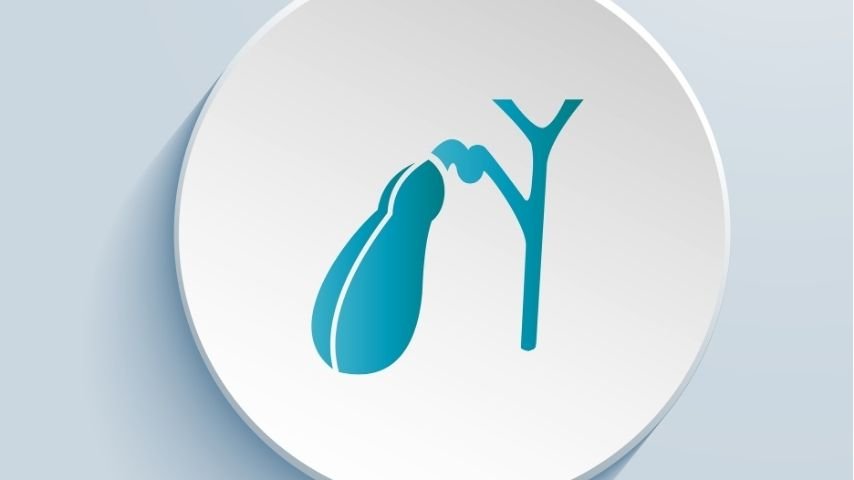
The gallbladder is a small organ underneath the liver. It stores bile, a digestive fluid produced by the liver. Your body can function normally without the gallbladder because the liver continues to produce bile after surgery. The bile simply flows directly into the intestine rather than being stored in the gallbladder.
Most people who undergo gallbladder removal have laparoscopic cholecystectomy. Instead of one large abdominal incision, the surgeon makes several small incisions. A thin camera called a laparoscope allows the surgeon to see inside the abdomen, while small instruments are used to remove the gallbladder. The operation usually takes around an hour and is performed under general anaesthesia.
Because the incisions are small, recovery after laparoscopic surgery is generally quicker than after open surgery. However, keyhole surgery is still a significant operation, and your body needs time to heal.
What Should You Expect Immediately After Surgery?
Once the operation is complete, you will be taken to a recovery area while the effects of the anaesthetic wear off.
You may feel sleepy, tired or slightly confused for a short time. You may also have some abdominal discomfort. Pain medicines are usually provided to keep this under control.
Many patients can go home on the day of surgery. Some may need to stay overnight depending on their health, the complexity of the operation and how they are recovering. If you go home on the same day, you will generally need someone to take you home and stay with you for the first period after surgery.
Do not expect to feel completely normal when you leave the hospital.
Going home does not mean that recovery is finished. It means that you are medically well enough to continue recovering at home.
Days 1 to 3: What Does the First Few Days Feel Like?
The first two or three days are usually when you notice the most discomfort.
Your abdomen may feel sore, particularly around the small incision sites. Moving from lying down to sitting or standing may feel uncomfortable. Coughing, laughing or getting out of bed can temporarily increase the sensation around your abdomen.
This does not necessarily mean that something is wrong.
Some people also experience pain in one or both shoulders. This can seem strange because the surgery was performed in the abdomen. The shoulder discomfort is usually related to the gas used to inflate the abdomen during laparoscopic surgery. This gas can irritate the diaphragm and produce pain that is felt in the shoulder.
Walking gently can help your body absorb the remaining gas and may reduce this discomfort.
You may also feel more tired than expected. Even though the external wounds are small, your body has undergone surgery and general anaesthesia. Rest is important, but complete bed rest is usually unnecessary. Short, gentle walks are encouraged as you are able.
What Should You Eat During the First Few Days?
You can generally begin drinking once you are awake and your healthcare team is satisfied that you are recovering appropriately.
You do not usually need a special long-term diet after gallbladder removal. However, your appetite may be reduced during the first few days, and large meals may feel uncomfortable.
Eating smaller meals more frequently can be easier initially. You can gradually increase the amount of food as your appetite returns.
Some people temporarily find that fatty foods are harder to tolerate. This does not mean that you will have to avoid them permanently. Your body is adjusting to the fact that bile is no longer being stored in the gallbladder.
A balanced diet and adequate fluids are generally appropriate unless your surgeon has given you different instructions.
How Should You Look After the Surgical Wounds?
You will have several small wounds on your abdomen after laparoscopic cholecystectomy.
They may be closed with dissolvable stitches, surgical glue or adhesive strips. The exact method varies between hospitals and surgeons.
Keep the wounds clean and follow the instructions you receive before leaving the hospital. If surgical glue has been used, you should not pick or peel it away. It generally flakes away naturally as the wound heals.
Some hospitals allow patients to shower relatively soon after surgery, while others provide specific instructions depending on the dressing or wound closure.
Do not assume that all wounds should be treated in exactly the same way. Follow the instructions provided by your surgical team.
You may notice mild itching, tingling, numbness or a slightly firm feeling around the incision as the wound heals. These can be normal parts of scar formation.
Days 4 to 7: Should You Be Feeling Better?
By the middle of the first week, many people begin to notice a clear improvement.
You may still have some abdominal soreness, but simple movements usually become easier. Getting out of bed, walking around the house and performing basic daily activities may feel less difficult.
Your energy may still fluctuate.
You might feel relatively good in the morning and tired later in the day. This is not unusual during early recovery.
The important thing is gradual progress rather than expecting to feel completely recovered after a few days.
Light activity is generally encouraged. Walking helps maintain circulation and can reduce the risk of complications associated with prolonged inactivity. At the same time, strenuous exercise and heavy lifting should be avoided until your surgeon says it is safe.
Your body may feel capable of doing more before the internal healing is complete, so returning to demanding exercise too quickly is not a good idea.
Can You Go Outside and Walk?
Yes, gentle walking is usually encouraged once you are comfortable doing so.
You do not need to remain in bed throughout the first week.
Walking around your home and taking short walks outside can help you gradually rebuild your energy. It also helps circulation and may reduce the discomfort caused by residual gas after laparoscopic surgery.
Start slowly.
- A five- or ten-minute walk may be enough initially.
- If you feel comfortable, you can gradually increase the duration.
- If walking causes significant pain, stop and rest.
Recovery is not a competition.
Can You Drive During the First Week?
Driving is not simply about whether you feel awake.
You need to be able to control the vehicle safely, wear a seatbelt comfortably and perform an emergency stop without significant pain or hesitation.
You should also consider the effects of pain medicines and the advice of your surgical team.
The NHS recommends not driving until you can perform an emergency stop without pain or discomfort and advises patients to check their insurance requirements.
Some hospital guidance suggests that this may take around one to two weeks after laparoscopic surgery, but there is no universal day on which everyone becomes fit to drive.
Your ability to drive safely matters more than reaching a particular date.
Days 7 to 10: What Changes During the Second Week?
The second week is often when people start feeling much more like themselves.
You may have considerably less pain. Your appetite may be closer to normal, and everyday activities may require less effort.
Some people are ready to return to work during this period.
The NHS states that many people can return to work one to two weeks after gallbladder removal, depending on the type of work and the type of surgery.
A person working at a desk may return earlier than someone whose job involves lifting, prolonged standing, climbing or physically demanding work.
This distinction is important.
“Back to work” does not necessarily mean “completely recovered.”
You may be able to sit at a desk for several hours while still needing additional time before returning to strenuous physical activity.
Can You Exercise in the Second Week?
Light activity can usually be increased gradually as you feel better.
Walking is a good starting point. Some patients can gradually return to more activity during the second week.
However, heavy lifting and strenuous exercise should generally be avoided until your surgical team says that it is safe.
Guidance from Guy's and St Thomas' NHS Foundation Trust advises avoiding heavy exercise for around 10 to 15 days after surgery and building activity gradually.
Other hospital guidance recommends avoiding heavy lifting or strenuous activity for at least two weeks.
The exact timing can differ depending on your operation, health, healing and the advice of your surgeon.
If you regularly go to the gym, do weight training, run long distances or participate in sports, ask specifically when you can resume each activity.
What About Work During the Second Week?
For many people with desk-based jobs, returning to work after one to two weeks may be realistic.
If you work from home, you may be able to resume some work earlier if you feel comfortable.
Physically demanding jobs are different.
If your work involves lifting heavy objects, construction, manual labour or prolonged standing, you may need additional recovery time.
The NHS specifically notes that people with physically demanding jobs may need longer before returning to work.
Rather than asking, “Can I go back to work after seven days?” ask, “What does my job require me to physically do?”
That gives you a more realistic recovery plan.
What Should Your Incisions Look Like?
By the second week, your wounds should generally be moving towards healing.
The small scars may still be pink or slightly raised. You may experience itching, mild sensitivity or numbness around them.
These changes can be part of normal healing.
Over the following months, the scars usually become less noticeable.
However, increasing redness, swelling, warmth, worsening pain or pus-like discharge is different.
These can indicate a wound infection and should be discussed with a healthcare professional.
Is Bloating Normal After Gallbladder Surgery?
Some abdominal bloating can occur during early recovery.
Laparoscopic surgery involves putting gas into the abdomen to create space for the surgeon to operate. Some of the resulting discomfort can remain temporarily after surgery.
You may also notice changes in bowel movements.
Constipation can occur, particularly if you have been eating less, drinking less or taking certain pain medicines.
Gentle movement, adequate fluids and appropriate dietary fibre can help, unless your doctor has advised otherwise.
Some people may instead experience loose stools after gallbladder removal. This can happen because bile flows differently after the gallbladder has been removed.
Persistent or severe bowel changes should be discussed with your doctor.
When Should You Contact Your Doctor?
Not every ache after surgery is an emergency.
However, symptoms that are worsening rather than improving should be taken seriously.
Contact your healthcare team if you develop:
- Increasing abdominal pain
- Persistent vomiting
- Fever
- Wound redness or swelling
- Bleeding or pus-like discharge
- Yellowing of the skin or eyes
Yellowing of the skin or eyes is particularly important because it can indicate a problem with bile flow.
Some hospital guidance also advises urgent assessment for severe or worsening abdominal pain, jaundice, high temperature or significant vomiting.
You should also seek emergency help if you develop symptoms such as significant breathing difficulty, chest pain or coughing up blood, which can indicate a serious complication unrelated to ordinary wound recovery.
When in doubt, contact your surgical team rather than trying to diagnose a complication yourself.
Does Feeling Tired Mean Something Is Wrong?
No, not necessarily.
Fatigue is common after surgery.
Your body is using energy to heal. General anaesthesia, changes in sleep, reduced food intake, pain and reduced activity can all contribute to tiredness.
You may feel much better after a week but still notice that you become tired more quickly than before surgery.
This can continue for several weeks in some people. MedlinePlus notes that although many patients return to most normal activities within a week or two, it can take several weeks for normal energy levels to return.
Listen to your body.
If you need a rest after an activity that previously felt easy, take one.
Recovery is usually gradual.
What Should You Expect by the End of Two Weeks?
There is no single recovery experience.
By two weeks, many people who have had uncomplicated laparoscopic cholecystectomy can return to work and most everyday activities.
You may still have mild soreness around the wounds.
You may still feel tired after a busy day.
You may not yet be ready for heavy lifting or intense exercise.
Some people recover faster, while others need longer.
MedlinePlus notes that most people can return to many normal activities within one to two weeks, while full recovery and return of normal energy can take longer.
The two-week mark should therefore be viewed as a general milestone, not a deadline.
What If You Had Open Gallbladder Surgery?
Recovery can be considerably different if your gallbladder was removed through open surgery.
Open cholecystectomy involves a larger abdominal incision and is generally used when keyhole surgery is not appropriate or cannot safely be completed.
Because the wound is larger, patients usually experience more discomfort and require more time to recover.
Some hospital guidance estimates around four weeks for recovery after open surgery, compared with around two weeks after keyhole surgery, although individual recovery varies.
This is why it is important to know which type of surgery you have undergone before comparing your recovery with someone else's.
The Key Takeaway
The first two weeks after gallbladder removal are usually a period of gradual improvement rather than complete recovery.
The first few days may involve abdominal soreness, tiredness, reduced appetite, bloating and shoulder discomfort from the gas used during laparoscopic surgery.
During the first week, gentle walking and normal daily movement are generally encouraged while strenuous exercise and heavy lifting are avoided.
During the second week, many people begin returning to work and everyday activities, particularly if their job is not physically demanding.
You can usually eat a normal healthy diet after cholecystectomy, although smaller meals may feel easier initially and some people temporarily find fatty foods difficult to tolerate.
Most importantly, recovery should be measured by steady improvement rather than by whether you feel completely normal on a particular day.
Conclusion
Gallbladder removal is commonly performed using laparoscopic cholecystectomy, and one of its major advantages is a relatively quick recovery compared with open surgery.
But quick does not mean instant.
The first few days are usually about controlling pain, resting, drinking enough fluids, eating comfortably and beginning gentle movement.
During the remainder of the first week, you can gradually become more active as your energy returns.
By the second week, many people can return to work and normal daily activities, although physically demanding work, heavy lifting and strenuous exercise may require more time.
Your recovery may be faster or slower than someone else's.
Your age, general health, type of surgery, reason for surgery and whether any complications occurred can all influence recovery.
Do not compare your recovery too closely with another patient's experience.
Instead, look for gradual improvement.
If pain is getting worse rather than better, or if you develop fever, persistent vomiting, jaundice, wound discharge or other concerning symptoms, contact your healthcare team promptly.
The goal is not simply to reach the end of two weeks.
The goal is to allow your body to heal properly so that you can return to your normal life safely and confidently.
Suggested Call to Action
Planning or recovering from gallbladder removal?
Speak with an experienced general surgeon to understand what to expect from laparoscopic cholecystectomy, including your individual recovery timeline, diet, activity restrictions, return to work and warning signs that require medical attention.
References and Sources
Dorset County Hospital – Laparoscopic Cholecystectomy Aftercare