Diet and Lifestyle After Gallbladder Removal: Real Advice for Long-Term Wellness
Medicine Made Simple Summary
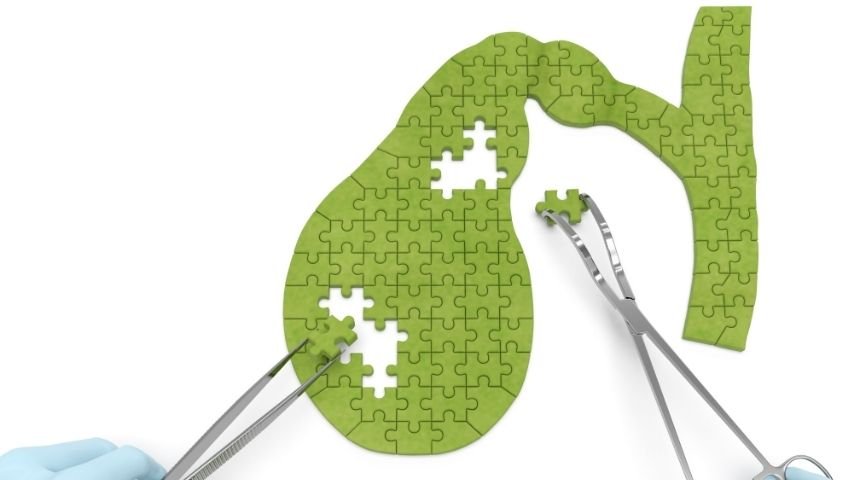
Laparoscopic cholecystectomy is a minimally invasive surgery to remove the gallbladder using small cuts, a camera, and fine instruments. It is done under general anesthesia and usually takes about an hour. Most patients recover quickly and return home within a day. After surgery, bile flows directly from the liver into the intestine instead of being stored. The body usually adapts well to this change, allowing people to live normal, healthy lives with minimal long-term dietary or lifestyle restrictions.
Why Diet and Lifestyle Change After Gallbladder Removal
After gallbladder removal, the digestive system works a little differently. The gallbladder’s role was to store bile and release it when fatty food was eaten. Without the gallbladder, bile is still produced by the liver but flows continuously into the intestine.
This change does not stop digestion, but it may temporarily affect how the body handles fat. Understanding gallstones causes and symptoms helps patients know why these changes occur and what to expect during recovery.
What Happens to Digestion Without a Gallbladder
Bile is essential for digesting fats. When the gallbladder is present, bile is released in a controlled amount. After removal, bile drips steadily into the intestine.
For most people, the body adjusts smoothly. The intestine learns to handle bile differently, and digestion becomes comfortable again. This adjustment period varies from person to person.
Some people may notice changes early on, but these usually improve with time. This is why recognizing signs you need gallbladder removal can be important before complications develop.
The First Few Weeks After Surgery
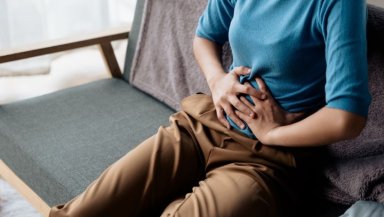
In the early weeks after surgery, digestion may feel sensitive. Fatty foods may cause bloating, loose stools, or mild discomfort. This does not mean something is wrong. It simply means the digestive system is adjusting.
Eating smaller meals more frequently often helps. Large, heavy meals are harder to digest initially. Drinking enough water also supports digestion and overall recovery. Patients should follow guidance on preparing for gallbladder surgery to make the transition smoother.
Most patients notice improvement within a few weeks.
Foods That Are Easier to Digest Initially
During early recovery, lighter foods are usually better tolerated. These foods place less strain on digestion and help the body adapt.
Gradually reintroducing regular foods allows patients to see what feels comfortable. There is no strict diet that suits everyone, so listening to the body is important.
Avoiding very oily or fried foods in the beginning often reduces digestive discomfort.
Reintroducing Fat Into the Diet
Fat is not forbidden after gallbladder removal. However, introducing it slowly is helpful. The body still digests fat, but large amounts at once may cause symptoms early on.
Over time, most people can eat normal amounts of fat without problems. The key is moderation and balance rather than complete avoidance.
Choosing healthier fats often improves comfort and overall health.
Long-Term Diet After Gallbladder Removal
In the long term, most people do not need a special diet. Once the body adapts, digestion usually returns to normal.
Some people notice that very greasy meals cause discomfort even months later. Adjusting portion sizes or frequency often solves this.
There is no single “gallbladder removal diet.” A balanced, healthy diet works well for most people.
Common Digestive Symptoms and How to Handle Them
Some patients experience loose stools or urgency after meals, especially in the early months. This happens because bile flows continuously into the intestine.
These symptoms usually improve over time. Eating smaller meals, reducing very fatty foods, and maintaining regular meal times can help.
If symptoms persist, doctors can suggest simple treatments.
Lifestyle Changes Beyond Diet
Lifestyle plays an important role in long-term wellness after surgery. Regular physical activity supports digestion, weight management, and overall health.
Walking is an excellent activity to begin with. As recovery completes, most people can return to their usual exercise routine without restriction.
Maintaining a healthy weight reduces strain on digestion and improves energy levels.
Alcohol After Gallbladder Removal
Alcohol is processed by the liver, not the gallbladder. Moderate alcohol consumption is usually safe once recovery is complete.
However, alcohol can irritate the digestive system. Introducing it slowly and observing how the body reacts is sensible.
Doctors usually advise avoiding alcohol during the early recovery period.
Managing Weight After Surgery
Some people worry about weight gain after gallbladder removal. The surgery itself does not cause weight gain.
In fact, many patients eat better after surgery because painful gallbladder attacks stop. Maintaining balanced meals and regular activity helps keep weight stable.
Sudden weight changes should be discussed with a doctor.
Myths About Life Without a Gallbladder
Many myths exist about living without a gallbladder. Some people believe lifelong diet restrictions are needed. This is usually not true.
Others fear constant digestive problems. In reality, most people adapt well and live normal lives.
Understanding facts helps patients feel confident rather than fearful.
When to Seek Medical Advice About Diet Issues
If digestive symptoms are severe, persistent, or worsening, medical advice should be sought. While rare, ongoing issues may need evaluation.
Doctors can rule out other causes and suggest treatments to improve comfort.
Most post-surgery digestive issues are temporary and manageable.
Emotional Adjustment After Surgery
Diet changes can sometimes feel frustrating. Patients may worry about eating out or trying new foods.
Confidence usually improves as people learn what suits their body. Support from family and reassurance from healthcare providers helps emotional adjustment.
Recovery is a learning process, not a test.
Long-Term Wellness After Gallbladder Removal
Gallbladder removal does not shorten life or reduce quality of life. In many cases, it improves well-being by eliminating pain and repeated illness.
Most patients return to normal routines, enjoy food again, and feel healthier overall.
Long-term wellness depends more on general lifestyle choices than on the absence of the gallbladder.
Conclusion
Life after gallbladder removal is usually comfortable and normal. While digestion may feel different at first, the body adapts well over time. Sensible food choices, gradual reintroduction of fats, and healthy lifestyle habits support long-term wellness. Laparoscopic cholecystectomy removes the source of pain and allows most people to enjoy a full, active life without major dietary restrictions. Understanding what to expect helps patients feel confident and in control of their health.