Step-by-Step Guide to Preparing for Your Laparoscopic Gallbladder Surgery
Medicine Made Simple Summary
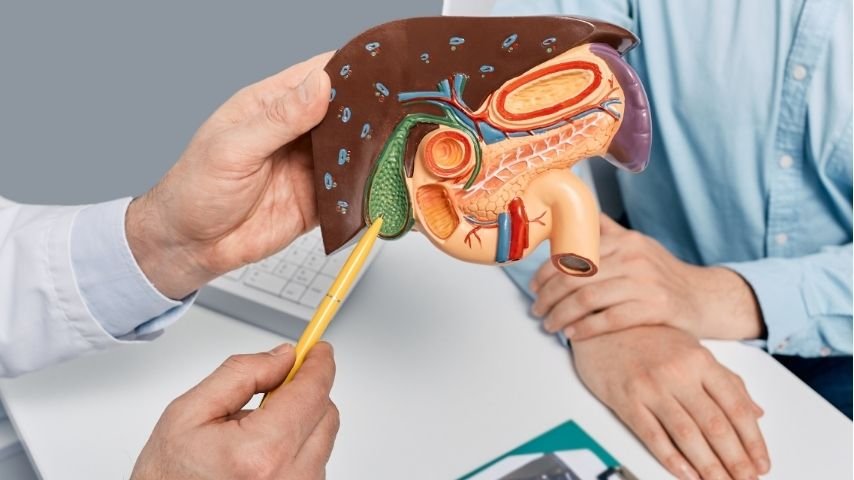
Laparoscopic cholecystectomy is a keyhole surgery to remove the gallbladder using small cuts, a camera, and fine instruments. It is done under general anesthesia and usually takes about one hour. Most patients are able to walk the same day and go home within 24 hours. Recovery is faster and less painful compared to open surgery. Preparing properly before surgery helps reduce stress, lowers the risk of gallbladder surgery complications, and makes recovery smoother and quicker.
Why Preparation Matters Before Gallbladder Surgery
Preparing for gallbladder surgery is not just a formality. Good preparation helps the surgical team work safely and helps the body heal faster afterward. Many problems after surgery can be reduced when patients understand what to expect and follow instructions carefully. Consulting an experienced laparoscopic cholecystectomy surgeon ensures the procedure is performed safely.
Preparation also reduces anxiety. Knowing what will happen before, during, and after surgery helps patients and family members feel more confident and calm.
Confirming the Need for Surgery
Before surgery is planned, doctors confirm that gallbladder removal is the best option. This decision is usually based on symptoms, ultrasound findings, and blood tests. Repeated pain, inflammation, or complications caused by gallstones are common reasons.
Once surgery is advised, it is usually better to plan it rather than wait for an emergency situation. Recognizing the signs you need gallbladder removal early helps avoid urgent procedures and improves recovery outcomes.
Medical Evaluation Before Surgery
Before the operation, patients undergo a basic medical evaluation. This includes blood tests to check liver function, blood counts, and infection markers. Imaging tests such as ultrasound help confirm the condition of the gallbladder.
Doctors also review any existing medical conditions like diabetes, blood pressure problems, or heart disease. This ensures anesthesia and surgery are as safe as possible.
Discussing Medicines With Your Doctor
It is important to inform the doctor about all medicines being taken. Some medicines, especially blood thinners, may need to be stopped temporarily before surgery.
Patients should also mention supplements and herbal remedies. Some of these can increase bleeding risk. Doctors give clear instructions on which medicines to continue and which to pause.
Diet Changes Before Surgery
In the days leading up to surgery, doctors may recommend eating light meals. Fatty, oily, and heavy foods are usually discouraged because they can trigger gallbladder pain.
The night before surgery, patients are asked to stop eating and drinking for several hours. This is important for safety during anesthesia. Following fasting instructions strictly reduces the risk of complications.
Preparing Your Body for Surgery
Staying hydrated and eating balanced meals before surgery helps the body heal better afterward. Light walking and normal activity are encouraged unless pain limits movement.
Smoking should be avoided before surgery, as it can slow healing and increase the risk of breathing problems. Avoiding alcohol is also advised in the days before surgery.
Mental Preparation and Managing Anxiety
Feeling nervous before surgery is normal. Many patients worry about pain, anesthesia, or recovery. Talking openly with the surgeon and anesthetist helps clear doubts.
Understanding that laparoscopic gallbladder surgery is a common and safe procedure can be reassuring. Simple relaxation techniques and adequate rest before surgery also help reduce stress.
Planning for the Day of Surgery
On the day of surgery, patients are usually asked to arrive early. Wearing comfortable clothes and leaving valuables at home is recommended.
A family member or friend should accompany the patient. Since anesthesia is used, patients cannot drive themselves home. Having support ready makes the process easier.
What Happens Just Before Surgery
Before surgery, vital signs are checked. An intravenous line is placed to give fluids and medicines. The anesthetist explains how anesthesia will work and answers last-minute questions.
Once in the operating room, anesthesia is given, and the patient falls asleep. The surgery then proceeds as planned.
Preparing Your Home for Recovery
Preparing the home in advance helps after surgery. Simple arrangements like placing commonly used items within reach reduce strain.
It helps to have easy-to-digest food ready. Although appetite returns quickly, light meals are more comfortable in the first few days.
What to Expect Immediately After Surgery
After surgery, patients wake up in the recovery area. Feeling sleepy, weak, or slightly nauseous is common. Mild pain at the incision sites or shoulder discomfort may occur.
Most patients are encouraged to sit up and walk within a few hours. Early movement helps prevent stiffness and improves circulation. Understanding recovery after laparoscopic cholecystectomy helps patients know what to expect.
Understanding Activity Restrictions
Doctors advise avoiding heavy lifting and strenuous activity for a short period. Light walking is encouraged, but rest is equally important.
Knowing these restrictions in advance helps patients plan work leave and household responsibilities.
Preparing for Follow-Up Care
Before discharge, doctors explain wound care and pain management. Follow-up appointments are scheduled to check healing and recovery progress.
Knowing whom to contact in case of fever, increasing pain, or wound problems is an important part of preparation.
Why Good Preparation Improves Recovery
Patients who prepare well often recover faster. They experience less stress, fewer complications, and smoother healing.
Preparation is not about fear. It is about understanding and readiness. When patients know what to expect, surgery becomes less overwhelming.
Conclusion
Preparing for laparoscopic gallbladder surgery is a simple but important process. From medical checks and diet changes to mental readiness and home planning, each step supports a safer surgery and quicker recovery. Laparoscopic cholecystectomy is a well-established procedure, and proper preparation helps patients approach it with confidence. When patients and families understand the process clearly, surgery becomes a manageable and less stressful experience.