Managing Pain and Complications After Gallbladder Surgery
Medicine Made Simple Summary
Laparoscopic cholecystectomy is a minimally invasive surgery to remove the gallbladder using small cuts, a camera, and fine instruments. It is done under general anesthesia and usually takes about an hour. Because the incisions are small, pain after surgery is usually mild to moderate and improves quickly. Most patients go home within a day and recover within a few weeks. Understanding how to manage normal pain and recognize warning signs helps ensure a smooth and safe recovery.
Why Pain and Discomfort Occur After Surgery
Pain after gallbladder surgery is a normal part of healing. Even though laparoscopic surgery is gentle compared to open surgery, the body still needs time to recover. Small cuts are made in the skin and muscles. Internal tissues are also handled during the procedure. Knowing the signs you need gallbladder removal before surgery can help patients prepare mentally and medically.
In addition, gas is used during surgery to create space inside the abdomen. This gas can irritate nearby nerves, leading to discomfort in areas like the shoulders or upper chest. Knowing that these sensations are expected helps reduce anxiety.
Common Types of Pain After Gallbladder Surgery
Most patients experience a few predictable types of pain after surgery. Pain around the incision sites is the most common. This pain is usually mild to moderate and improves over several days.
Shoulder pain is also common. It does not come from the shoulder itself but from irritation caused by the gas used during surgery. This pain usually settles within one or two days.
Some patients feel abdominal tightness or bloating. This happens as the body adjusts after surgery and as digestion changes temporarily.
How Long Pain Usually Lasts
Pain is usually worst during the first one to two days after surgery. Each day after that, discomfort should steadily improve. By the end of the first week, many patients only need simple pain relief or none at all.
Severe pain that worsens instead of improving is not normal and should be reported to a doctor. Understanding the expected timeline helps patients distinguish between normal healing and gallbladder surgery complications.
Pain Management at Home
Doctors usually prescribe pain medicines to be taken for a few days after surgery. These medicines help keep patients comfortable so they can move, breathe deeply, and rest properly.
Simple measures can also reduce pain. Gentle walking helps release trapped gas and reduces stiffness. Using pillows for support while sleeping or sitting can ease strain on the abdomen.
Taking pain medicines as prescribed, rather than waiting for pain to become severe, often leads to better control.
Why Movement Helps Reduce Pain
It may seem natural to want complete rest after surgery, but gentle movement is important. Walking helps improve blood flow, prevents stiffness, and reduces gas-related discomfort.
Short walks several times a day are usually enough. Movement also reduces the risk of complications such as blood clots and lung infections.
Listening to the body is important. Movement should be gentle and gradual.
Digestive Discomfort After Surgery
After gallbladder removal, bile flows directly from the liver into the intestine. This change can temporarily affect digestion. Some patients experience loose stools, bloating, or mild cramps.
These symptoms usually improve as the digestive system adapts. Eating smaller meals and avoiding very fatty foods during early recovery can help reduce discomfort.
Digestive changes are usually temporary and not a sign of a complication. Understanding recovery after laparoscopic cholecystectomy helps set realistic expectations.
Understanding Normal Healing Versus Complications
Most discomfort after gallbladder surgery is part of normal healing. However, it is important to recognize symptoms that may signal a problem.
Normal healing includes mild pain, tiredness, and temporary digestive changes. These improve steadily over time.
Complications are uncommon but need prompt attention. Knowing the difference helps patients seek care at the right time.
Signs of Wound-Related Problems
The small cuts made during laparoscopic surgery usually heal quickly. Mild redness or itching can be normal.
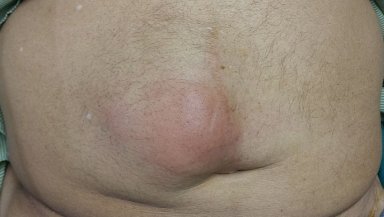
Signs that may suggest a wound problem include increasing redness, swelling, warmth, discharge, or worsening pain at the incision site. Fever along with wound changes may indicate infection.
Early treatment of wound issues prevents further problems.
Infection After Gallbladder Surgery
Infections are rare but possible after any surgery. Symptoms may include fever, chills, increasing abdominal pain, or feeling unwell.
Prompt medical evaluation is important if infection is suspected. Most infections can be treated effectively when identified early.
Following wound care instructions carefully reduces the risk of infection.
Bile Leak and Other Rare Complications
In rare cases, bile may leak from the area where the gallbladder was removed. This can cause abdominal pain, fever, or nausea.
Other uncommon complications include injury to nearby bile ducts or blood vessels. These are rare, especially when surgery is performed by experienced surgeons.
Doctors explain warning signs before discharge so patients know when to seek help.
Shoulder Pain Explained Simply
Shoulder pain after gallbladder surgery can be confusing. It happens because the gas used during surgery irritates a nerve that refers pain to the shoulder.
This pain is harmless and temporary. Walking, gentle stretching, and time help relieve it. Pain medicines may also help if needed.
Knowing this prevents unnecessary worry.
Emotional Discomfort and Anxiety After Surgery
Some patients feel anxious or low after surgery. This can be due to physical discomfort, changes in routine, or fear of complications.
These feelings are usually temporary. As pain reduces and strength returns, emotional well-being often improves.
Support from family and clear information from healthcare providers helps recovery feel easier.
When to Contact a Doctor Immediately
Certain symptoms should not be ignored. These include persistent fever, severe or worsening abdominal pain, yellowing of the eyes or skin, persistent vomiting, or signs of wound infection.
Seeking help early prevents complications from becoming serious. Doctors prefer patients to ask rather than wait.
Preventing Complications During Recovery
Most complications can be prevented by following simple instructions. These include taking medicines as prescribed, keeping wounds clean, walking regularly, and attending follow-up appointments.
Avoiding heavy lifting and strenuous activity until cleared by the doctor protects healing tissues.
Preparation and awareness are key to a smooth recovery.
Long-Term Comfort After Gallbladder Surgery
Once healing is complete, most patients feel normal and pain-free. Digestive symptoms usually settle, and daily activities become comfortable.
Long-term pain related to gallbladder surgery is uncommon. Most people feel relief because gallbladder attacks no longer occur.
Recovery is a short phase, but the benefits are long-lasting.
Conclusion
Pain and mild discomfort after gallbladder surgery are normal and expected parts of healing. Most symptoms improve steadily within days to weeks. Understanding what pain is normal and recognizing warning signs helps patients recover safely and confidently. Laparoscopic cholecystectomy is designed for quick healing, and with proper care, complications are rare. Managing pain well and staying alert to changes allows patients to return to normal life comfortably and with peace of mind.