What Is Laparoscopic Cholecystectomy? A Clear Explanation for First-Timers
Medicine Made Simple Summary
Laparoscopic cholecystectomy is a common surgery done to remove the gallbladder when it causes health problems, most often due to gallstones. The procedure is performed using small cuts, a camera, and fine instruments, which makes it less painful and allows faster recovery than traditional surgery. Since the gallbladder is not an essential organ, people can live a normal life after it is removed. This article explains the procedure in simple terms, helping patients and families understand what it is, why it is needed, and what to expect.
Understanding the Gallbladder in Simple Terms
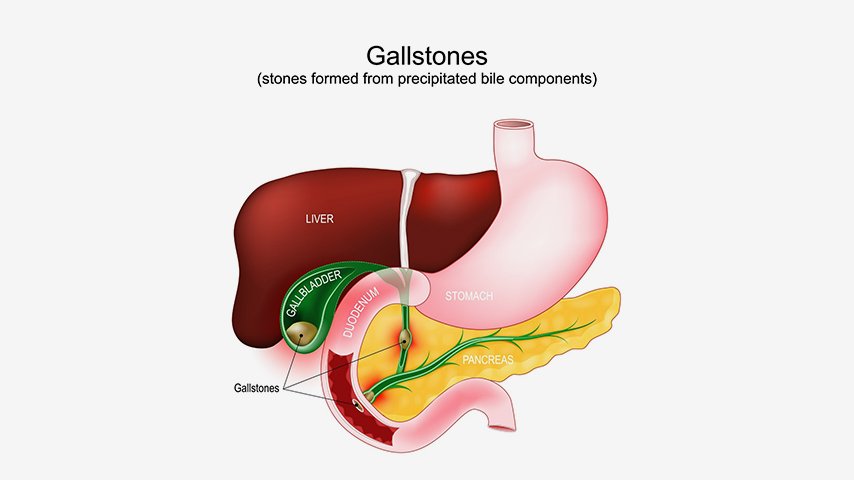
The gallbladder is a small organ that sits just below the liver on the right side of the abdomen. Its job is to store bile. Bile is a digestive liquid made by the liver that helps the body digest fats. When you eat food, especially food that contains fat, the gallbladder releases bile into the intestine to help digestion.
Although the gallbladder helps digestion, it is not a vital organ. The liver continues to produce bile even if the gallbladder is removed. Instead of being stored, bile flows directly into the intestine. Because of this, most people can live healthy and normal lives without a gallbladder.
Why the Gallbladder Causes Problems
The most common reason for gallbladder problems is gallstones. Gallstones form when bile becomes thick and hardens into stone-like particles. Some people have gallstones for years without any symptoms. Trouble starts when gallstones block the flow of bile.
When bile cannot flow freely, pressure builds up in the gallbladder. This causes pain, inflammation, and sometimes infection. The pain is usually felt in the upper right part of the abdomen and may spread to the back or right shoulder. Nausea, vomiting, bloating, and fever may also occur.
Once gallstones begin causing symptoms, they often continue to cause repeated attacks. This is why doctors commonly recommend removing the gallbladder. Recognizing the signs you need gallbladder removal early helps prevent emergency situations.
What Does Laparoscopic Cholecystectomy Mean
Laparoscopic cholecystectomy is a surgical procedure to remove the gallbladder using a minimally invasive technique. The word “laparoscopic” means the surgery is done using small cuts and a camera instead of one large cut.
In this procedure, the surgeon makes three or four small openings in the abdomen. A tiny camera is inserted through one opening, allowing the surgeon to see the internal organs on a screen. Special surgical instruments are inserted through the other openings to remove the gallbladder safely. Consulting an experienced laparoscopic cholecystectomy surgeon ensures safety and effectiveness.
This method has become the standard way of removing the gallbladder because it causes less pain, leaves smaller scars, and allows faster recovery compared to open surgery.
Why Laparoscopic Surgery Is Preferred
Laparoscopic cholecystectomy is preferred over open surgery for several reasons. Smaller cuts mean less damage to muscles and tissues. This results in less pain after surgery. The risk of infection is lower, and blood loss during surgery is minimal.
Another important advantage is faster recovery. Most patients can walk on the same day and return to normal activities within a short period. Hospital stay is usually shorter, and many patients are discharged the same day or the next day. Following proper preparing for gallbladder surgery guidelines helps patients achieve smoother recovery.
For these reasons, laparoscopic cholecystectomy is considered safe, effective, and patient-friendly.
How the Surgery Is Performed
The surgery is done under general anesthesia. This means the patient is fully asleep and does not feel any pain during the procedure.
After anesthesia is given, the surgeon cleans the abdomen and makes small cuts. Gas is gently introduced into the abdomen to create space so the organs can be seen clearly. The camera is then inserted, and the gallbladder is carefully separated from the liver and bile ducts.
Once removed, the gallbladder is taken out through one of the small cuts. The instruments are removed, the gas is released, and the cuts are closed with stitches or surgical glue.
The surgery usually takes about one hour, although this may vary depending on the condition of the gallbladder.
What Happens on the Day of Surgery
Before surgery, patients are asked not to eat or drink for several hours. Blood tests and scans are reviewed to ensure it is safe to proceed. The surgical team explains the procedure and answers any questions.
After surgery, patients wake up in the recovery area. Feeling sleepy, tired, or slightly nauseous is common. Mild pain at the cut sites and shoulder pain can occur. Shoulder pain happens because of the gas used during surgery and usually settles within a day or two.
Most patients are encouraged to sit up, walk, and drink fluids within a few hours. Depending on recovery, patients may go home the same day or stay overnight. Understanding recovery after laparoscopic cholecystectomy helps patients know what to expect.
Recovery After Laparoscopic Cholecystectomy
Recovery after laparoscopic cholecystectomy is usually quick. Pain is generally mild to moderate and improves over a few days. Pain medicines are given to keep patients comfortable.
Most people can resume light activities within a few days. Office work can usually be restarted within a week. Heavy lifting and strenuous exercise should be avoided for a short period, usually two weeks.
The small cuts heal quickly and leave minimal scars. Full recovery typically takes two to three weeks. Awareness of possible gallbladder surgery complications helps patients respond promptly if issues arise.
Eating After Gallbladder Removal
After the gallbladder is removed, bile flows directly from the liver into the intestine. This change may temporarily affect digestion. Some people experience loose stools, bloating, or discomfort after eating fatty foods.
These symptoms are usually temporary. The digestive system adjusts over time. Eating smaller meals and reducing very oily or fried foods during the initial recovery period can help.
Most people return to a normal diet without long-term restrictions.
Is It Safe to Live Without a Gallbladder
Living without a gallbladder is safe for most people. The body adapts well, and digestion continues normally. The liver continues to produce bile as before.
Many patients actually feel better after surgery because the painful gallbladder attacks stop completely. Quality of life often improves once recovery is complete.
Possible Risks and Complications
Laparoscopic cholecystectomy is one of the most commonly performed surgeries worldwide and is considered very safe. As with any surgery, small risks exist. These include infection, bleeding, or injury to nearby structures, but serious complications are rare.
Doctors explain warning signs such as fever, increasing pain, redness at the wound, or yellowing of the eyes. Prompt medical attention helps prevent complications.
Conclusion
Laparoscopic cholecystectomy is a modern, safe, and effective solution for gallbladder problems caused by gallstones. Understanding what the procedure involves helps reduce fear and confusion for patients and families. With small cuts, faster recovery, and long-term relief from pain, this surgery allows most people to return to normal life quickly. Knowing what to expect before, during, and after the procedure empowers patients to make informed decisions about their health.