Signs You Might Need Gallbladder Removal: When to Consider Laparoscopic Surgery
Medicine Made Simple Summary
Laparoscopic cholecystectomy is a keyhole surgery used to remove the gallbladder through small cuts in the abdomen. A camera and fine instruments allow the surgeon to safely remove the gallbladder with less pain and faster recovery than open surgery. The operation is done under general anesthesia and usually takes about an hour. Most patients go home the same day or the next day. Since the gallbladder is not essential, the body adapts well after surgery and digestion continues normally.
Why People End Up Needing Gallbladder Surgery
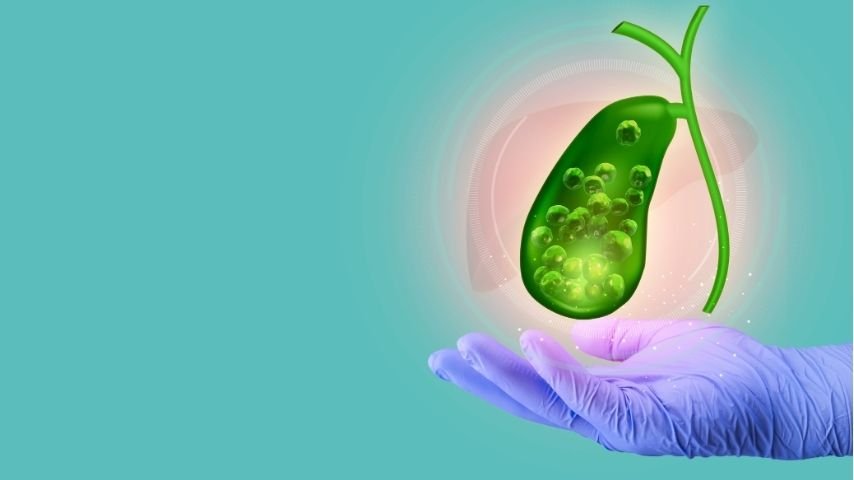
Gallbladder removal is not done without reason. Doctors recommend it when the gallbladder starts causing repeated symptoms or complications. The most common cause is gallstones, but the real issue is not just their presence. It is how they affect the normal flow of bile and trigger pain, inflammation, or infection.
Many people live with silent gallstones for years. Surgery becomes necessary when symptoms appear or problems repeat. Understanding the importance of preparing for gallbladder surgery helps patients get ready for a smoother experience and fewer complications.
Persistent Pain in the Upper Right Abdomen
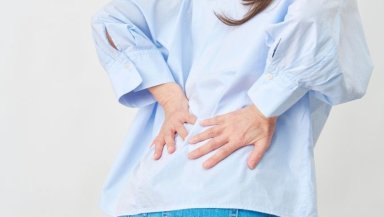
One of the most common signs that gallbladder removal may be needed is repeated pain in the upper right part of the abdomen. This pain often comes suddenly and can be severe. It usually starts after eating, especially after fatty meals.
The pain may last from a few minutes to several hours. Some people describe it as a sharp or cramping pain, while others feel a constant pressure. When this pain keeps coming back, it often means the gallbladder is struggling to empty bile because of gallstones.
Pain That Spreads to the Back or Shoulder
Gallbladder pain does not always stay in one place. Many patients feel pain spreading to the right shoulder or upper back. This happens because nerves from the gallbladder share pathways with other areas of the body.
Pain that moves or radiates is a strong clue that the gallbladder may be the source of the problem, especially when it happens after meals or at night.
Nausea and Vomiting After Meals
Frequent nausea or vomiting after eating can also signal gallbladder trouble. When bile flow is blocked, digestion becomes difficult. Fatty foods are especially hard to digest without proper bile release.
If nausea keeps returning along with abdominal pain, it suggests that the gallbladder is no longer functioning properly and surgery may be considered.
Bloating, Indigestion, and Fullness
Many people dismiss bloating or indigestion as minor stomach issues. However, ongoing bloating, excessive gas, and a feeling of heaviness after meals can point toward gallbladder disease.
These symptoms occur because bile is not reaching the intestine in the right amount or at the right time. When such symptoms continue despite dietary changes, further evaluation is needed.
Fever and Signs of Infection
Fever along with abdominal pain is a warning sign that should never be ignored. It may indicate gallbladder infection or inflammation. This condition, called cholecystitis, happens when gallstones block bile flow for a long time.
Infection increases the urgency for gallbladder removal. Delaying treatment can lead to serious gallbladder surgery complications.
Yellowing of Eyes or Skin
Yellowing of the eyes or skin, known as jaundice, happens when bile cannot drain properly and builds up in the bloodstream. This may occur if gallstones block the bile ducts.
Jaundice is a serious sign and often requires urgent medical attention. In such cases, gallbladder removal or additional procedures may be needed to restore bile flow.
Repeated Gallbladder Attacks
One gallbladder attack may settle with medication, but repeated attacks indicate an ongoing problem. Each attack increases the risk of complications.
Doctors usually recommend laparoscopic cholecystectomy when attacks become frequent, even if imaging shows no severe damage yet. Removing the gallbladder prevents future attacks completely.
Gallbladder Inflammation Seen on Scans
Sometimes gallbladder problems are discovered through ultrasound or other scans done for abdominal pain. Thickened gallbladder walls, swelling, or trapped stones suggest chronic disease.
Even if pain is mild, these findings often mean the gallbladder will continue to cause trouble. Surgery is advised to avoid sudden emergencies later.
Why Surgery Is Preferred Over Long-Term Medication
Gallstones do not usually dissolve with medicines. Painkillers and antacids only treat symptoms temporarily. The gallbladder remains diseased and can flare up again.
Laparoscopic cholecystectomy removes the source of the problem permanently. This is why doctors often recommend surgery rather than repeated hospital visits for pain control.
When Laparoscopic Surgery Is the Best Choice
Laparoscopic surgery is suitable for most patients with gallbladder disease. It is especially helpful when symptoms are recurring but complications are still controlled. Proper preparing for gallbladder surgery improves outcomes and minimizes risks.
Doctors may delay surgery in rare situations such as uncontrolled infection or other medical conditions. In most cases, early laparoscopic removal leads to smoother recovery after laparoscopic cholecystectomy and fewer complications.
What Happens If Surgery Is Delayed
Delaying gallbladder removal after repeated symptoms can lead to serious issues. These include severe infection, bile duct blockage, and pancreas inflammation.
Emergency surgery is often more complex than planned surgery. Recovery may be slower, and risks may increase. Recognizing early signs helps avoid these situations.
How Doctors Decide You Need Surgery
Doctors consider several factors before recommending gallbladder removal. These include symptom frequency, scan findings, blood tests, and overall health.
The goal is not just to relieve pain but to prevent future complications. When signs clearly point to gallbladder dysfunction, surgery becomes the safest long-term option.
Conclusion
Gallbladder removal is usually recommended only after clear warning signs appear. Persistent abdominal pain, digestive symptoms, fever, jaundice, or repeated attacks all suggest that the gallbladder is no longer working properly. Laparoscopic cholecystectomy offers a safe and effective solution with quick recovery and long-lasting relief. Understanding these signs allows patients and families to seek timely care, avoid emergencies, and make informed decisions about surgery with confidence.