Gallstones 101: Causes, Symptoms, and How They Lead to Cholecystectomy
Medicine Made Simple Summary
Laparoscopic cholecystectomy is a minimally invasive surgery used to remove the gallbladder when gallstones cause repeated pain or complications. The procedure is done under general anesthesia using small cuts, a camera, and fine instruments. It usually takes about an hour and allows faster recovery compared to open surgery. Most patients are discharged within a day and return to normal activities within a few weeks. Since the gallbladder is not essential, digestion continues normally after surgery once the body adapts.
What Are Gallstones in Simple Words
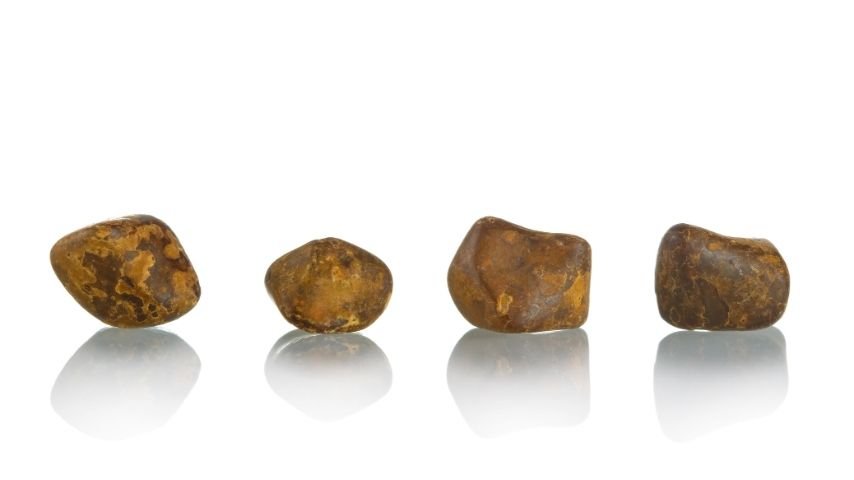
Gallstones are small, hard particles that form inside the gallbladder. They develop when bile, a digestive liquid made by the liver, becomes too concentrated. Over time, this thick bile can harden and form stones.
Gallstones can be as small as grains of sand or as large as pebbles. Some people have one stone, while others may have many. Having gallstones does not always mean there will be symptoms. Problems begin when gallstones interfere with the normal flow of bile, which is often why signs you need gallbladder removal become apparent.
Why Gallstones Form
Gallstones usually form when bile contains too much cholesterol or waste products. When bile does not empty properly from the gallbladder, it becomes thick and stagnant. This makes it easier for stones to form.
Certain factors increase the risk of gallstones. These include rapid weight loss, obesity, pregnancy, long gaps between meals, and family history. Hormonal changes and some medical conditions can also affect bile composition.
Gallstones are more common than many people realize, but only a portion of people with gallstones ever develop symptoms. Preparing for gallbladder surgery can help reduce anxiety for those who will need removal.
How Gallstones Cause Symptoms
Gallstones cause trouble when they block the opening of the gallbladder or bile ducts. This blockage prevents bile from flowing normally. Pressure builds up inside the gallbladder, leading to pain and inflammation.
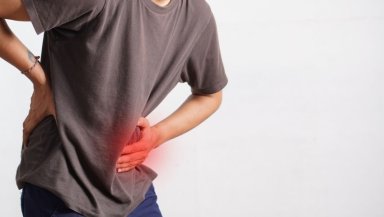
The most common symptom is pain in the upper right side of the abdomen. This pain often begins suddenly and may last from minutes to hours. It frequently occurs after eating, especially fatty meals.
Other symptoms may include nausea, vomiting, bloating, and indigestion. Some people also feel pain in the back or right shoulder.
Gallbladder Attacks Explained Simply
A gallbladder attack happens when a stone temporarily blocks bile flow. The gallbladder contracts but cannot empty properly, causing sharp pain.
The pain may come and go, but once attacks begin, they often repeat. Each attack increases the risk of inflammation or infection. This pattern is an important reason doctors consider gallbladder removal.
Silent Gallstones Versus Symptomatic Gallstones
Many people have gallstones without any symptoms. These are called silent gallstones. In such cases, surgery is usually not needed.
Once symptoms appear, the gallstones are called symptomatic. Symptomatic gallstones rarely stop causing problems on their own. Even if pain settles temporarily, it often returns. At this stage, doctors usually recommend removing the gallbladder to prevent further issues.
Complications Caused by Gallstones
Gallstones can lead to more serious problems if left untreated. One common complication is gallbladder inflammation, known as cholecystitis. This causes severe pain, fever, and infection.
Gallstones can also block the bile duct, leading to jaundice, where the skin and eyes turn yellow. In some cases, stones can trigger inflammation of the pancreas, which can be a serious condition requiring urgent care.
These complications increase the need for gallbladder removal rather than ongoing symptom treatment. Understanding gallbladder surgery complications helps patients make informed choices.
Why Gallstones Cannot Be Permanently Treated With Medicines
There are no reliable medicines that can safely remove gallstones permanently. Some treatments may reduce symptoms, but they do not fix the underlying problem.
Gallstones often return if the gallbladder remains in place. Repeated pain episodes and hospital visits become common. Surgery removes the source of stone formation, making it the most effective long-term solution.
How Gallstones Lead to Cholecystectomy
Once gallstones start causing pain or complications, the gallbladder is considered diseased. At this point, removing the gallbladder prevents future attacks and complications.
Doctors recommend laparoscopic cholecystectomy because it addresses the root cause rather than just managing symptoms. The timing of surgery depends on symptom severity, scan findings, and overall health.
Early planned surgery is usually safer than emergency surgery done during severe infection.
What Happens During Gallbladder Removal
During laparoscopic cholecystectomy, the gallbladder is removed through small cuts in the abdomen. A camera allows the surgeon to see the gallbladder clearly and remove it safely.
Once removed, bile flows directly from the liver into the intestine. The body adjusts to this change over time. Most patients notice improvement in symptoms soon after surgery.
Recovery After Gallstone-Related Surgery
Recovery from laparoscopic cholecystectomy is generally quick. Pain is mild to moderate and improves within days. Patients are encouraged to walk early to prevent stiffness and improve healing.
Most people return to daily activities within a week and feel fully recovered within two to three weeks. Compared to repeated gallstone attacks, recovery from surgery is usually much easier to manage.
Eating After Gallstone Surgery
After surgery, digestion may feel different at first. Fatty foods may cause loose stools or discomfort in the early weeks. This improves as the digestive system adapts.
Simple steps help during recovery, such as eating smaller meals and avoiding very heavy foods initially. Most people return to a normal diet without long-term problems.
Living Without a Gallbladder
The gallbladder is not essential for life. The liver continues to make bile even after it is removed. Most people live completely normal lives without dietary restrictions in the long term.
In fact, many patients feel healthier after surgery because they no longer experience pain, nausea, or digestive discomfort caused by gallstones.
When to Seek Medical Advice
Anyone experiencing repeated abdominal pain, nausea after meals, or symptoms suggestive of gallstones should seek medical evaluation. Early diagnosis helps prevent complications and allows planned treatment.
Understanding gallstones helps patients and families make informed decisions rather than waiting for emergencies.
Conclusion
Gallstones are common but can become a serious problem once symptoms begin. They form due to changes in bile and can block its flow, causing pain, inflammation, and infection. When gallstones cause repeated symptoms or complications, laparoscopic cholecystectomy becomes the safest and most effective treatment. Removing the gallbladder eliminates the source of the problem and allows most people to return to a pain-free, normal life with minimal long-term changes.