Finger Joint Pain: Causes, Symptoms, Treatment, and Best Relief Methods
Medicine Made Simple Summary
Quick Summary: Best Ways to Manage Finger Joint Pain
- Finger joint pain may be caused by arthritis, injury, overuse, or inflammation
- Resting the fingers helps reduce strain and pain
- Applying ice can reduce swelling and discomfort
- Warm compresses improve stiffness and blood flow
- Gentle finger exercises help improve mobility
- Anti-inflammatory medicines may provide quick relief
- Seek medical help if pain becomes severe or long-lasting
Finger joint pain can make simple daily activities difficult. Tasks like typing, writing, cooking, holding objects, or even buttoning a shirt may become painful and frustrating. The discomfort can range from mild stiffness to severe swelling and sharp pain.
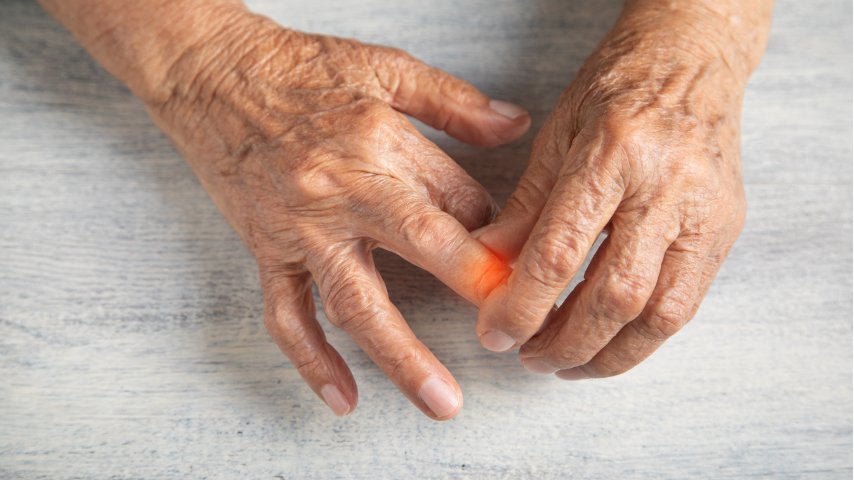
Many people ignore finger pain in the beginning, assuming it will go away on its own. However, persistent finger joint pain may be a sign of arthritis, injury, tendon problems, or an underlying inflammatory condition. In fact, persistent finger pain osteoarthritis is one of the most frequently overlooked conditions, especially when early symptoms are dismissed as simple tiredness or overuse.
Understanding the cause early helps prevent long-term damage and improves recovery. In this guide, we’ll explain the common causes of finger joint pain, symptoms to watch for, treatment options, home remedies, and when you should see a doctor.
Why Finger Joint Health Matters
Your fingers contain small joints that work continuously throughout the day. These joints help with gripping, lifting, writing, cooking, and almost every hand movement.
Because fingers are used so often, they are more likely to develop wear and tear, inflammation, and injuries over time.
Healthy finger joints are important for:
- Strong hand movement
- Better grip strength
- Pain-free daily activities
- Smooth mobility
- Fine motor skills
- Independence in daily life
When joint pain starts, it affects not only physical comfort but also work productivity and quality of life.
That is why understanding finger joint pain and treating it early is essential.
Common Causes of Finger Joint Pain
1. Osteoarthritis
Osteoarthritis is one of the most common causes of finger joint pain, especially in older adults.
It happens when the protective cartilage between joints wears down over time, causing pain, stiffness, and swelling.
Common Signs
- Morning stiffness
- Swollen finger joints
- Pain while gripping objects
- Reduced finger movement
2. Rheumatoid Arthritis
This is an autoimmune disease where the immune system attacks healthy joints.
It causes inflammation, pain, swelling, and sometimes deformity if untreated. Osteoarthritis in young adults is also becoming more recognized, particularly in those with a history of repetitive strain or joint injuries.
Warning Signs
- Pain in both hands
- Warm, swollen joints
- Joint stiffness lasting more than an hour
- Fatigue and weakness
3. Finger Injury
Sprains, fractures, dislocations, or sports injuries can lead to sudden finger joint pain.
Even minor injuries can cause swelling and movement problems if ignored.
4. Repetitive Strain
Typing, texting, gaming, writing, or using tools repeatedly can strain finger joints and tendons.
This is common in office workers and people with repetitive hand movements. Repeated overuse is also one of the known osteoarthritis flare causes, as it increases joint stress and inflammation over time.
5. Gout
Gout occurs when uric acid crystals build up in the joints.
Although it commonly affects the feet, it can also cause finger joint pain with sudden swelling and redness.
6. Trigger Finger
This condition causes stiffness and locking of the finger due to tendon inflammation.
It often causes pain when bending or straightening the finger.
7. Infection
Sometimes infections in the joints or surrounding tissues can cause pain, redness, swelling, and fever. This requires urgent medical attention.
7 Effective Ways to Relieve Finger Joint Pain
1. Rest Your Fingers
Overusing painful fingers can worsen inflammation.
Resting allows the joints and tissues to heal naturally.
Best Practice
Avoid heavy lifting, excessive typing, or repeated gripping for a few days.
2. Apply Ice Packs
Cold therapy helps reduce swelling, inflammation, and pain.
How to Use
Apply an ice pack wrapped in cloth for 15–20 minutes, 3–4 times daily.nNever place ice directly on the skin.
3. Use Warm Compresses
Heat helps improve blood circulation and reduces stiffness, especially in arthritis-related pain.
Best Time
Warm compresses are most helpful in the morning when stiffness is worse.
4. Gentle Finger Exercises
Simple stretching and movement exercises improve flexibility and reduce stiffness.
Helpful Exercises
- Finger bends
- Finger stretches
- Thumb touches
- Grip strengthening exercises
Avoid painful forceful movements.
5. Use Finger Splints
Splints support the joints and reduce pressure during healing. They are especially helpful for arthritis, trigger finger, and injuries.
6. Maintain a Healthy Diet
Anti-inflammatory foods help reduce joint pain naturally.
Good Foods Include
- Fatty fish
- Nuts
- Leafy vegetables
- Fruits
- Turmeric
- Ginger
Reducing processed foods also helps.
7. Take Anti-Inflammatory Medicines
Pain relief medicines may help reduce swelling and discomfort. Always use medicines under medical guidance.
Table: Quick Home Remedies for Finger Joint Pain
| Remedy | How It Helps | Usage Instructions |
|---|---|---|
| Ice Pack | Reduces swelling | Apply for 15–20 minutes |
| Warm Compress | Improves stiffness | Use in the morning |
| Rest | Prevents overuse strain | Avoid heavy hand work |
| Finger Exercises | Improves flexibility | Gentle daily stretching |
| Anti-inflammatory Foods | Reduces inflammation | Include turmeric, nuts |
Symptoms of Finger Joint Problems
Recognizing symptoms early helps prevent permanent joint damage.
Common Signs Include
- Pain while moving fingers
- Swelling around finger joints
- Morning stiffness
- Difficulty gripping objects
- Warmth around joints
- Redness and tenderness
- Joint locking
- Clicking sounds
- Reduced finger movement
- Visible joint deformity
Persistent symptoms should not be ignored.
When to Seek Medical Help
Some finger pain improves with home care, but certain symptoms require professional treatment.
Consult a doctor if you experience:
- Severe swelling
- Sudden intense pain
- Finger deformity
- Inability to move the finger
- Persistent stiffness for weeks
- Fever with joint pain
- Redness spreading around the joint
- Pain after injury or fracture suspicion
Early diagnosis improves recovery and prevents complications.
Best Medicines for Finger Joint Pain
Treatment depends on the cause of the pain.
Commonly Recommended Medicines Include
NSAIDs
Medicines like ibuprofen help reduce inflammation and pain.
Paracetamol
Useful for mild to moderate pain relief.
Corticosteroid Injections
Sometimes used for severe inflammation or trigger finger.
Disease-Modifying Drugs
Used for rheumatoid arthritis under specialist supervision.
Topical Pain Relief Gels
Helpful for local pain and swelling management.
Always consult your doctor before starting any medication.
Conclusion
Finger joint pain can affect your daily routine, work, and quality of life if left untreated. Whether the cause is arthritis, injury, overuse, or inflammation, early care makes a big difference.
Simple steps like rest, ice therapy, warm compresses, exercises, and healthy eating can help reduce pain and improve joint movement. For persistent or severe symptoms, professional medical advice is essential.
Taking care of your finger joints today helps protect your hand strength and mobility for the future.
Frequently Asked Questions
Why do my finger joints hurt suddenly?
Sudden pain may happen due to injury, overuse, gout, infection, or inflammation.
Can finger joint pain be a sign of arthritis?
Yes, arthritis is one of the most common causes of finger joint pain, especially with stiffness and swelling.
Does ice help finger joint pain?
Yes, ice helps reduce swelling and inflammation, especially after injury or overuse.
When should I worry about finger joint pain?
If pain is severe, lasts for weeks, causes swelling, or limits movement, medical attention is important.
Can finger exercises help joint pain?
Yes, gentle exercises improve flexibility and reduce stiffness when done correctly.
Is finger joint pain common with ageing?
Yes, age-related wear and tear like osteoarthritis commonly affects finger joints.