Risks, Side Effects, and Complications After Robotic Kidney Surgery: What Patients Should Know

Medicine Made Simple Summary
Robotic kidney surgery is considered safe and is widely used because it reduces pain and speeds up recovery. However, like any surgery, it can have risks and side effects. Most are mild and temporary, such as pain, fatigue, or bloating. Serious complications like bleeding, infection, or urine leakage are uncommon and are usually identified early. Knowing what is normal and what is not helps patients and families stay calm, recover confidently, and seek help at the right time, while also clearing up common robotic kidney surgery myths.
Why It Is Important to Talk About Risks
When patients hear about robotic kidney surgery, they often focus on the benefits. Faster recovery and smaller cuts sound reassuring. While these advantages are real, it is equally important to understand possible risks and clearly know what is robotic kidney surgery before deciding on treatment.
Knowing the risks does not mean something will go wrong. It helps patients feel prepared rather than surprised. It also allows families to recognize warning signs early, which improves safety and outcomes.
Understanding Risk in Simple Terms
Risk means the chance that something unwanted may happen. Every medical procedure carries some level of risk. Robotic kidney surgery is no different, but its risks are generally lower than traditional approaches when comparing robotic vs open kidney surgery.
Most patients go through surgery and recovery without major problems. When complications do occur, they are often manageable when identified early.
Common Side Effects After Robotic Kidney Surgery
Side effects are expected changes that happen as the body heals. These are usually temporary and improve with time.
Pain around the incision sites is common. It usually feels like soreness or tightness rather than sharp pain. This pain reduces steadily over days.
Fatigue is also common. The body uses energy to heal, even if the surgery involved small cuts. Feeling tired for a few weeks is normal.
Bloating or gas-related discomfort can occur because gas is used during surgery to create space. Shoulder pain may also occur and usually resolves within a few days.
Changes in Urination After Surgery
Some patients notice changes in urine flow or frequency after surgery. Mild burning or discomfort during urination can happen, especially if a catheter was used.
Urine color may appear slightly darker initially. Drinking adequate fluids usually helps. These changes are temporary and improve as healing continues.
Any persistent difficulty passing urine or blood in urine should be reported.
Risk of Bleeding
Bleeding is a known risk in any surgery. In robotic kidney surgery, blood loss is usually less compared to open surgery because of precise control and better visibility.
Minor bleeding is expected and monitored. Significant bleeding is uncommon. In rare cases, blood transfusion or further intervention may be needed.
Doctors closely watch blood levels after surgery to detect any concerns early.
Risk of Infection
Infection can occur at incision sites or internally. Smaller cuts reduce this risk, but it cannot be eliminated completely.
Signs of infection include fever, increasing pain, redness, swelling, or discharge from the wound. Early treatment with antibiotics usually resolves the problem.
Following wound care instructions greatly lowers the chance of infection.
Urine Leakage After Surgery
In surgeries where part of the kidney is removed, the urine collecting system is carefully repaired. Occasionally, urine may leak from the repair site.
This risk is uncommon and usually temporary. Drains placed during surgery help detect and manage this issue early. Most leaks heal on their own with time.
Patients are monitored closely for this complication before discharge.
Injury to Nearby Organs
The kidney is located near the bowel, spleen, liver, and major blood vessels. Injury to nearby structures is rare but possible.
Robotic systems provide magnified vision that helps surgeons avoid these structures. If injury occurs, it is usually identified and managed during the same surgery.
Temporary Changes in Kidney Function
After kidney surgery, blood tests may show temporary changes in kidney function. This is common and often improves as healing progresses.
Preserving kidney tissue is a major goal of robotic surgery. Removing only the diseased portion helps protect long-term kidney health.
Patients with existing kidney disease may need closer monitoring.
Blood Clots and Breathing Issues
After any surgery, there is a small risk of blood clots in the legs or lungs. Early walking and movement significantly reduce this risk.
Breathing problems are uncommon but can occur, especially in older patients or those with lung disease. Nurses encourage deep breathing and movement soon after surgery.
Risks Related to Anesthesia
General anesthesia is very safe, but it can cause nausea, sore throat, or drowsiness after surgery. These effects usually resolve within a day or two.
Serious anesthesia-related complications are rare and are carefully screened for before surgery.
Factors That Increase Risk
Certain factors can increase the chance of complications. These include older age, obesity, diabetes, smoking, heart disease, or previous abdominal surgeries.
Large tumors or advanced disease may also increase risk. Doctors assess these factors carefully before recommending surgery.
Understanding personal risk helps patients make informed decisions.
How Surgeons Reduce These Risks
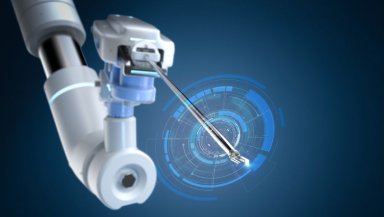
Surgeons use careful planning, imaging, and experience to reduce risk. Robotic systems enhance precision and visibility.
Pre-surgery evaluation ensures patients are medically fit. During surgery, continuous monitoring allows quick response to any issue.
After surgery, early movement, pain control, and follow-up care further reduce complications and support recovery and life after robotic kidney surgery.
What Is Normal and What Is Not
Mild pain, fatigue, and reduced appetite are normal after surgery. Gradual improvement is expected each day.
Worsening pain, persistent fever, increasing swelling, difficulty breathing, or sudden changes in urine output are not normal. These symptoms should prompt immediate medical attention.
Clear communication with the healthcare team helps prevent serious problems.
Emotional Impact of Complications Fear
Many patients worry more about possible complications than the surgery itself. Fear often comes from not knowing what to expect.
Understanding that most side effects are temporary and manageable helps reduce anxiety. Support from family and clear guidance from doctors make recovery smoother.
Conclusion
Robotic kidney surgery is a safe and effective treatment for many kidney conditions. While risks and side effects exist, most are mild and temporary.
Being informed does not increase fear. It builds confidence. Patients who understand what to expect recover better and feel more in control of their health.
If you are preparing for robotic kidney surgery, talk openly with your surgeon about possible risks and how they are managed. Clear understanding and early communication are key to a safe recovery.