Life After Robotic Kidney Surgery: Diet, Lifestyle Changes, and Long-Term Kidney Care

Medicine Made Simple Summary
Life after robotic kidney surgery usually returns to normal, but some long-term care is needed to protect kidney health. Most patients can eat normally, stay active, and live full lives after recovery once they understand what is robotic kidney surgery and how healing progresses. Simple habits like staying hydrated, eating balanced meals, managing blood pressure, and attending follow-up visits help keep the kidneys healthy. This article explains, in simple language, what patients and families should expect after surgery and how to take care of the kidneys in the long run.
Why Life After Surgery Matters
Many patients feel relieved once robotic kidney surgery is over. However, new questions soon appear. People wonder what they can eat, how active they can be, and whether their kidneys will remain healthy.
Surgery treats the immediate problem, but long-term care protects future health. Understanding life after surgery helps patients feel confident instead of anxious. It also helps families support recovery in the right way.
Understanding Your Kidney After Surgery
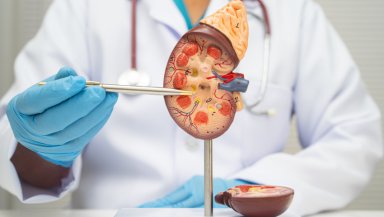
After robotic kidney surgery, the body begins to heal immediately. Whether part of the kidney was removed or the surgery corrected a blockage, the remaining kidney tissue adapts over time.
If only part of the kidney was removed, the remaining tissue usually works harder to compensate, which highlights the robotic partial nephrectomy benefits of preserving healthy kidney tissue. If one kidney was removed completely, the other kidney often takes over most functions. This adaptation happens gradually and is supported by healthy lifestyle choices.
Diet After Robotic Kidney Surgery
Most patients can return to a normal diet after recovery, but moderation and balance are important. The goal is to reduce stress on the kidneys while providing enough nutrition for healing.
Drinking enough water is one of the simplest and most effective habits. Proper hydration helps kidneys filter waste and prevents stone formation. Fluid needs vary depending on kidney function and doctor advice.
Eating fresh foods, vegetables, fruits, and whole grains supports overall health. Excess salt can strain the kidneys and raise blood pressure, so reducing salty and processed foods is helpful.
Protein is important, but excessive intake may burden the kidneys. Most patients do not need strict restrictions, but balance is key. Doctors may give specific advice based on kidney function tests.
Weight and Kidney Health
Maintaining a healthy weight helps protect kidney function. Excess weight increases the risk of high blood pressure and diabetes, which can harm the kidneys over time.
After surgery, some patients gain weight due to reduced activity during recovery. Gradual return to movement and mindful eating help prevent this.
Small, consistent changes are more effective than sudden strict diets.
Physical Activity After Recovery
Once healing is complete, most patients can return to normal physical activity. Walking is usually encouraged early and remains one of the best forms of exercise.
After a few weeks, patients can gradually increase activity levels, which aligns with expected robotic kidney surgery recovery time for most individuals. Light exercise improves circulation, energy, and emotional well-being. Heavy lifting and intense workouts should only be resumed after medical clearance.
Regular physical activity supports heart health, which is closely linked to kidney health.
Managing Blood Pressure and Sugar Levels
Blood pressure plays a major role in kidney health. High blood pressure can slowly damage kidney tissue.
Patients are often advised to monitor blood pressure regularly. Medications, if prescribed, should be taken consistently.
For patients with diabetes or borderline sugar levels, good control is essential. High blood sugar damages small blood vessels in the kidneys. Lifestyle changes and regular monitoring help prevent long-term damage.
Follow-Up Visits and Tests
Follow-up care is an important part of life after surgery. Doctors monitor kidney function through blood and urine tests.
Imaging scans may be done if surgery was performed for cancer or structural problems. These tests help ensure the kidney is healing well and that there are no signs of recurrence.
Skipping follow-up appointments can delay detection of problems that are easier to treat early, including late-presenting risks of robotic kidney surgery.
Understanding Long-Term Kidney Function
Many patients worry about kidney failure after surgery. In most cases, this fear is unnecessary.
When kidney surgery is done carefully and follow-up care is maintained, long-term kidney function remains stable for most people. The body adapts well, especially when healthy habits are followed.
Patients with existing kidney disease may need closer monitoring, but this does not mean life quality will be poor.
Medications After Surgery
Some patients need medications after surgery, especially if blood pressure or pain management is required. Certain pain medicines should be avoided unless approved by a doctor, as they can affect kidney function.
Always inform healthcare providers about kidney surgery before starting new medications. This helps prevent unintended harm.
Taking medications exactly as prescribed protects both kidney health and overall recovery.
Emotional and Mental Well-Being
Recovery is not only physical. Emotional recovery is equally important.
Patients may feel anxious about test results, future health, or lifestyle changes. These feelings are normal. Open conversations with family members and doctors help reduce fear.
As physical strength returns, emotional confidence usually improves as well.
Travel and Daily Life After Surgery
Most patients can travel and live normally after full recovery. Long journeys should include regular movement and hydration.
There are usually no major restrictions on work, social life, or hobbies. Listening to the body and avoiding extreme strain helps maintain balance.
Life after robotic kidney surgery is not about limitation. It is about awareness.
Warning Signs to Watch Long Term
Even months or years after surgery, certain symptoms should not be ignored. Persistent swelling, changes in urine output, unexplained fatigue, or rising blood pressure require medical attention.
Early evaluation prevents small issues from becoming serious.
How Family Members Can Support Long-Term Care
Family support continues beyond hospital discharge. Encouraging healthy eating, regular activity, and follow-up visits makes a big difference.
Emotional reassurance helps patients feel secure and motivated. Recovery is smoother when patients do not feel alone.
Conclusion
Life after robotic kidney surgery is usually full, active, and rewarding. Surgery treats the problem, but long-term habits protect the future.
Simple lifestyle choices, regular follow-up, and awareness go a long way in preserving kidney health. Patients who understand their bodies recover with confidence rather than fear.
If you have undergone robotic kidney surgery, speak with your doctor about a long-term kidney care plan. Small, consistent steps today can protect your kidney health for years to come.