Myths and Misconceptions About Robotic Kidney Surgery: What Patients Should Really Know

Medicine Made Simple Summary
Robotic kidney surgery is often misunderstood. Many patients fear that robots operate on their own, that the surgery is unsafe, or that it is only done for minor problems. These beliefs are not true. Robotic kidney surgery is fully controlled by a trained surgeon and is widely used for serious kidney conditions, including cancer. It is designed to improve precision, reduce pain, and support faster recovery. This article clears common myths and explains the facts in simple language so patients and families can make informed decisions.
Why So Many Myths Exist
Robotic kidney surgery sounds advanced and unfamiliar. When people hear the word “robot,” they often imagine machines making decisions or acting independently. Movies, social media, and incomplete information online add to this confusion.
Patients and families also tend to rely on stories from friends or internet forums. While personal experiences are valuable, they do not always reflect medical facts. This leads to fear, hesitation, and unnecessary stress. Clearing these myths is essential for understanding the real benefits and limits of robotic kidney surgery, especially when comparing robotic vs open kidney surgery.
Myth 1: The Robot Performs the Surgery on Its Own
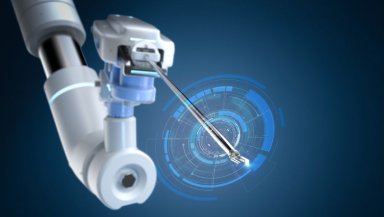
This is the most common and most serious misunderstanding. The robot does not perform surgery independently. It does not think, decide, or move on its own.
In robotic kidney surgery, the surgeon controls every movement. The robotic system simply copies the surgeon’s hand motions with greater precision. If the surgeon stops, the robot stops instantly. The robot is a tool, not a replacement for the surgeon.
Myth 2: Robotic Surgery Is Experimental or New
Many people believe robotic kidney surgery is still in the testing phase. In reality, it has been used safely for many years across the world.
Robotic systems are well studied and widely accepted in urology. Thousands of kidney surgeries are performed using this technique every year. Hospitals and surgeons follow strict training and safety standards before offering robotic procedures.
Myth 3: Robotic Surgery Is Only for Minor Kidney Problems
Some patients think robotic surgery is only used for small or simple issues. This is not true.
Robotic kidney surgery is commonly used for serious conditions, including kidney cancer. In many cases, it allows surgeons to remove only the tumor while saving the rest of the kidney. This is especially important for long-term kidney health.
Robotic surgery is chosen not because a problem is minor, but because precision is needed.
Myth 4: Robotic Kidney Surgery Is More Dangerous
Because the technology sounds complex, people often assume it is riskier. In fact, robotic kidney surgery is considered very safe when performed by trained surgeons, and the overall risks of robotic kidney surgery are well understood and carefully managed.
Smaller cuts reduce the risk of infection. Better vision helps surgeons avoid blood vessels and healthy tissue. Blood loss is often lower compared to open surgery. While all surgeries have risks, robotic surgery does not increase danger and often reduces certain complications.
Myth 5: Recovery Takes a Long Time
Many patients expect a long and painful recovery. This belief usually comes from experiences with traditional open surgery.
Robotic kidney surgery is minimally invasive. This means less muscle damage and less pain. Most patients start walking within a day. Hospital stays are shorter. Many return to daily activities within a few weeks, which shortens overall robotic kidney surgery recovery time for most people.
Recovery still takes time, but it is usually faster and smoother than expected.
Myth 6: Robotic Surgery Is Chosen for Cosmetic Reasons
Some believe robotic surgery is done mainly to reduce scars. While smaller scars are a benefit, they are not the main reason.
The true goal is precision and safety. Smaller incisions help reduce pain and infection risk. Better control helps protect kidney function. Cosmetic appearance is a secondary advantage, not the primary purpose.
Myth 7: Robotic Surgery Is Too Expensive to Be Worth It
Cost is a valid concern, and robotic surgery can be more expensive upfront. However, many people assume this means it is not worth considering.
Shorter hospital stays, fewer complications, and quicker return to work can reduce overall costs. Insurance coverage varies, and hospitals often provide financial counseling. Cost should be discussed, but it should not prevent patients from learning about the option.
Myth 8: Any Surgeon Can Perform Robotic Kidney Surgery
Robotic surgery requires specialized training. Not all surgeons perform it, and experience matters greatly.
Patients sometimes assume that the robot itself guarantees good results. In reality, the surgeon’s skill and experience are far more important than the machine. A well-trained surgeon using the right technique offers the best outcomes.
Myth 9: If Robotic Surgery Starts, It Cannot Be Changed
Some patients fear that once robotic surgery begins, there is no backup plan. This is incorrect.
If needed, the surgeon can switch to traditional laparoscopic or open surgery. Patient safety always comes first. The surgical team is prepared for different situations and adjusts as required.
Myth 10: Robotic Surgery Guarantees No Complications
While robotic kidney surgery reduces certain risks, it does not eliminate all complications. No surgery can offer a guarantee.
Bleeding, infection, or temporary changes in kidney function can still occur. Honest discussion about risks helps patients have realistic expectations and prepares them better for recovery.
Why Understanding the Truth Matters
Believing myths can delay treatment or cause unnecessary fear. Some patients refuse robotic surgery based on incorrect assumptions. Others feel anxious because they do not understand what will happen.
Clear information allows patients and families to feel confident and involved. It also improves communication with doctors and reduces stress during decision-making.
How Doctors Help Address These Misconceptions
Surgeons and care teams spend time explaining the procedure using simple language. Visual aids, diagrams, and videos are often used to help patients understand.
Patients are encouraged to ask questions. There are no wrong questions when it comes to health. Understanding the facts builds trust and comfort.
Conclusion
Robotic kidney surgery is often misunderstood, but it is not mysterious or unsafe. It is a carefully controlled surgical method designed to improve precision, recovery, and patient comfort.
Separating myths from facts empowers patients and families. Knowledge reduces fear and leads to better healthcare decisions.
If robotic kidney surgery has been suggested to you or a loved one, speak openly with your surgeon. Ask questions, clarify doubts, and understand why this approach is recommended. Informed patients are better prepared and more confident.