What Is Robotic Kidney Surgery? A Patient-Friendly Guide to the Procedure, Risks, and Benefits

Medicine Made Simple Summary
Robotic kidney surgery is a modern surgical method where a surgeon uses a robotic system to operate on the kidney through very small cuts. The robot does not work on its own. Every movement is fully controlled by the surgeon. This technique helps doctors treat kidney problems with more precision, less pain, and faster recovery compared to robotic vs open kidney surgery. It is commonly used for kidney tumors, blockages, and certain structural problems. Most patients recover quicker, stay in the hospital for a shorter time, and return to daily life sooner.
Why Kidney Surgery Is Sometimes Needed
The kidneys are vital organs that clean waste from the blood, control fluid balance, and help regulate blood pressure. When something goes wrong with the kidney, surgery may be required to protect health or save life. Common reasons include kidney tumors, cancers, severe blockages, repeated infections, congenital abnormalities, or damage caused by stones.
In many cases, medication alone is not enough. Surgery becomes necessary to remove diseased tissue, correct a blockage, or stop further damage. Over time, surgical methods have evolved to become safer and less invasive, leading to the development of robotic kidney surgery and its well-known robotic partial nephrectomy benefits.
What “Robotic” Means in Kidney Surgery
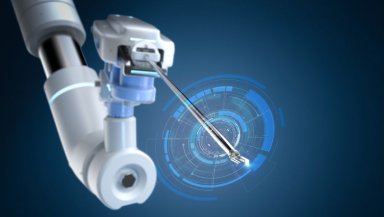
The word “robotic” often creates fear or misunderstanding. Many people think a robot operates independently. This is not true. In robotic kidney surgery, the surgeon is in complete control at all times. The robot is simply a highly advanced tool.
The surgeon sits at a console and controls robotic arms using hand and foot controls. These movements are translated into very precise actions inside the patient’s body. If the surgeon stops moving, the robot stops instantly. The robot cannot make decisions or move on its own.
How Robotic Kidney Surgery Is Performed
Robotic kidney surgery is a minimally invasive procedure. This means it is done through small cuts instead of a large incision. Usually, three to five small openings are made in the abdomen. Through these openings, a camera and fine surgical instruments are inserted.
The camera provides a magnified, three-dimensional view of the kidney. This allows the surgeon to see tiny blood vessels and delicate structures clearly. The robotic instruments can rotate and bend more smoothly than the human wrist, making precise movements easier.
During the surgery, the surgeon carefully removes the diseased part of the kidney or corrects the problem while protecting healthy tissue as much as possible.
Types of Kidney Surgeries Done Robotically
Robotic kidney surgery can be used for several conditions. One of the most common procedures is partial nephrectomy. This involves removing only the tumor and preserving the rest of the kidney. This is especially important for maintaining long-term kidney function.
In some cases, a full kidney removal, called radical nephrectomy, may be required. Robotic surgery may also be used to treat kidney blockages, repair structural problems, remove large cysts, or assist in kidney donation or transplantation.
The choice of procedure depends on the condition, tumor size, kidney function, and overall health of the patient.
Why Surgeons Prefer Robotic Kidney Surgery
One major advantage of robotic kidney surgery is precision. The enhanced vision and fine control help surgeons work accurately around blood vessels and healthy kidney tissue. This reduces unnecessary damage and bleeding.
Another benefit is reduced physical stress on the body. Smaller cuts mean less muscle injury, lower risk of infection, and less pain after surgery. This often leads to faster healing and better cosmetic results, contributing to a shorter robotic kidney surgery recovery time.
For complex kidney surgeries, robotic systems allow surgeons to perform procedures that may be difficult or risky using traditional methods.
Benefits for Patients
Patients often experience less pain after robotic kidney surgery compared to open surgery. Many require fewer pain medications. Hospital stays are usually shorter, often two to three days, depending on recovery.
Most patients can start walking within a day after surgery. Normal eating resumes quickly. Return to work and daily activities often happens within two to four weeks, depending on the type of surgery and the individual’s health.
Another important benefit is kidney preservation. By removing only the diseased portion, robotic surgery helps protect long-term kidney function.
Risks and Possible Complications
Although robotic kidney surgery is safe, it is still a major operation. Risks include bleeding, infection, blood clots, injury to nearby organs, or leakage of urine from the kidney repair site, which are among the known risks of robotic kidney surgery.
There may also be temporary changes in kidney function. In rare cases, additional surgery may be needed. These risks are generally low and similar or lower than those seen with traditional surgery.
The surgeon will explain individual risks based on age, medical history, kidney health, and the specific condition being treated.
Who Is a Good Candidate for Robotic Kidney Surgery
Not every patient is suitable for robotic kidney surgery. Very large tumors, severe scarring from previous surgeries, or advanced disease may require open surgery.
Patients with good overall health and localized kidney problems often benefit the most. Imaging tests and blood work help doctors decide the safest and most effective approach.
The final decision is always made after detailed discussion between the patient and the surgical team.
Preparing for the Surgery
Before surgery, patients undergo blood tests, imaging scans, and heart evaluations if needed. Certain medications, such as blood thinners, may need to be stopped temporarily.
Patients are usually advised not to eat or drink for several hours before surgery. The healthcare team explains what to expect on the day of the procedure to reduce anxiety.
Mental preparation is also important. Understanding the procedure helps patients and families feel more confident and less fearful.
Recovery After Robotic Kidney Surgery
Recovery begins soon after surgery. Patients are encouraged to walk early to improve circulation and prevent complications. Pain is usually manageable with oral medications.
Most patients are discharged once they can eat, walk, and pass urine normally. At home, rest is important, but light activity is encouraged. Heavy lifting should be avoided for several weeks.
Follow-up visits help monitor healing and kidney function. Imaging or blood tests may be done depending on the condition treated.
Common Myths About Robotic Kidney Surgery
One common myth is that the robot operates independently. This is false. The surgeon controls everything. Another myth is that robotic surgery is experimental. In reality, it has been used safely for many years worldwide, despite ongoing robotic kidney surgery myths.
Some believe robotic surgery is only cosmetic. In truth, its main advantage is precision and safety, not appearance.
Understanding these facts helps patients make informed decisions.
Conclusion
Robotic kidney surgery represents progress in patient-centered care. It combines surgical expertise with advanced technology to achieve safer outcomes and faster recovery. For many patients, it offers an effective and less stressful option for treating kidney conditions.
Learning about the procedure helps patients and families feel empowered and prepared. Clear information leads to better decisions and peace of mind.
If you or a family member has been advised to undergo kidney surgery, consult a qualified urologist to discuss whether robotic kidney surgery is suitable for your condition. Early understanding and expert guidance can make a significant difference in outcomes.