Robotic Kidney Surgery Recovery Timeline: What Patients and Families Should Expect

Medicine Made Simple Summary
Recovery after robotic kidney surgery is usually faster and less painful than traditional open surgery. Most patients start walking within a day, go home in two to three days, and slowly return to normal life over the next few weeks. Pain is generally mild to moderate and improves steadily. Full recovery depends on the type of surgery, overall health, and how well post-surgery instructions are followed. This article explains the recovery process step by step so patients and families know what is normal and what needs attention.
Why Recovery Matters as Much as the Surgery
When people think about kidney surgery, they often focus only on the operation itself. However, recovery is just as important. Knowing what happens after surgery helps reduce fear and anxiety. It also allows families to plan time off work, home care, and emotional support.
Robotic kidney surgery is designed to make recovery smoother, but healing still takes time. Understanding the recovery timeline helps patients avoid unnecessary worry and recognize warning signs early.
What Makes Recovery Different in Robotic Surgery
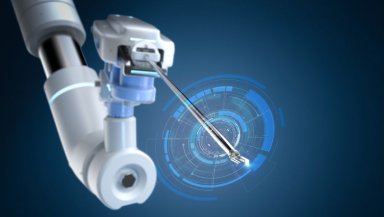
Robotic kidney surgery is minimally invasive. This means the surgeon uses small cuts instead of one large incision. Because muscles are not cut extensively, the body experiences less trauma.
Less trauma usually means less pain, lower risk of infection, and faster healing. This is why recovery after robotic surgery is often quicker compared to traditional open kidney surgery.
The First 24 Hours After Surgery
After surgery, the patient is moved to a recovery area. It is normal to feel sleepy, tired, or slightly confused as anesthesia wears off. Pain is expected but usually manageable with medication.
A catheter may be present to drain urine. Some patients may also have a small drain near the incision site. Nurses monitor vital signs, urine output, and pain levels closely.
Most patients are encouraged to sit up and start walking within the first day. Early movement helps prevent blood clots and improves breathing.
Pain and Discomfort in the Early Days
Pain after robotic kidney surgery is usually less severe than after open surgery. The discomfort often feels like soreness around the incision sites or a dull ache inside the abdomen.
Pain typically improves each day. Oral pain medicines are usually sufficient. Severe or worsening pain should always be reported to the medical team.
Some patients experience shoulder pain due to gas used during surgery. This is temporary and usually resolves within a few days.
Eating and Digestion After Surgery
Patients usually start with liquids and gradually move to solid food. Mild bloating or reduced appetite is common at first.
Normal bowel movements may take a few days to return. Drinking fluids and walking help digestion recover. Constipation can occur due to pain medicines but usually improves with time.
Hospital Stay and Discharge
Most patients stay in the hospital for two to three days after robotic kidney surgery. Discharge depends on pain control, ability to eat, walk, and pass urine normally.
Before going home, patients receive clear instructions about wound care, medications, activity limits, and follow-up appointments. Families are often involved in these discussions to ensure proper home support.
The First Week at Home
The first week at home is about rest and gentle movement. Fatigue is very common. The body uses energy to heal, even if the surgery felt “small.”
Short walks are encouraged, but long outings should be avoided. Pain should continue to improve. Incision sites should be kept clean and dry.
It is normal to feel emotionally low or anxious during this time. Support from family members makes recovery easier.
Weeks Two to Four: Gradual Return to Routine
During this phase, most patients feel noticeably better. Pain reduces significantly. Energy levels slowly increase.
Light household activities can usually be resumed. Many patients return to desk jobs within two to four weeks, depending on comfort and doctor advice.
Heavy lifting, strenuous exercise, and driving long distances are usually restricted during this period.
Long-Term Recovery and Healing
By six to eight weeks, most patients feel close to normal. Internal healing continues even if external wounds look healed.
If part of the kidney was removed, follow-up tests may be done to check kidney function. Imaging scans may also be scheduled depending on the condition treated.
Long-term recovery includes maintaining a healthy lifestyle to protect kidney function.
Emotional Recovery and Mental Health
Surgery affects mental health as well as the body. Fear of cancer, worry about test results, or frustration with slow recovery are common.
Patients should know these feelings are normal. Talking openly with family members or healthcare providers helps. Emotional recovery often improves as physical strength returns.
Warning Signs That Need Medical Attention
While most recoveries are smooth, certain symptoms should not be ignored. Fever, increasing pain, redness or discharge from wounds, difficulty passing urine, or sudden swelling should be reported immediately.
Early attention prevents small problems from becoming serious.
How Family Members Can Help
Family support plays a major role in recovery. Helping with meals, reminders for medication, and encouraging gentle activity can make a big difference.
Emotional reassurance is equally important. Patients often recover better when they feel understood and supported.
Conclusion
Recovery after robotic kidney surgery is usually steady and predictable. While everyone heals at their own pace, most patients experience less pain and faster return to daily life compared to traditional surgery.
Knowing what to expect removes fear and builds confidence. Recovery is not a race. Listening to the body and following medical advice leads to the best outcomes.
If you or a loved one is preparing for robotic kidney surgery, discuss the recovery plan in detail with your healthcare team. Clear expectations and proper preparation make recovery smoother and less stressful.