Robotic vs Traditional Kidney Surgery: What Patients and Families Need to Know

Medicine Made Simple Summary
When kidney surgery is needed, patients often hear about two main options: traditional surgery and robotic surgery. Traditional surgery usually involves a large cut and longer recovery. Robotic kidney surgery uses small cuts and advanced instruments controlled by a surgeon for better precision, helping patients understand what is robotic kidney surgery in simple terms. Both methods are safe when done by experienced doctors, but they differ in pain levels, recovery time, hospital stay, and impact on kidney function. This article explains these differences clearly so patients and families can understand which option may suit them best.
Why Comparing Surgical Options Matters
Being told that kidney surgery is needed can feel overwhelming. Along with fear, patients and families are often confused by medical terms. One of the first questions that comes up is which type of surgery is better. Understanding the difference between robotic and traditional kidney surgery helps people feel more in control and prepared.
There is no single “best” option for everyone. The right approach depends on the kidney problem, overall health, and surgical expertise available. Knowing the basics allows patients to ask informed questions and participate in decision-making.
What Is Traditional Kidney Surgery
Traditional kidney surgery usually refers to open surgery. In this method, the surgeon makes a large cut on the abdomen or side to reach the kidney directly. This approach has been used safely for many decades and is still necessary in certain complex cases.
Because the incision is large, the surgeon can see and feel the kidney directly. This can be helpful for very large tumors or advanced disease. However, the larger cut also means more muscle damage and longer healing time.
What Is Robotic Kidney Surgery
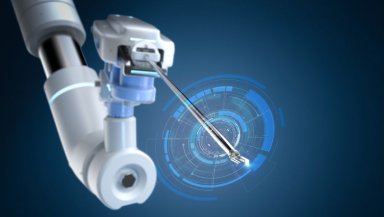
Robotic kidney surgery is a minimally invasive technique. Instead of one large cut, several small cuts are made. Through these openings, a camera and fine instruments are inserted.
The surgeon controls these instruments from a console. The robotic system translates the surgeon’s hand movements into precise actions inside the body. The robot does not act independently. It only follows the surgeon’s commands.
This approach allows surgeons to operate with high accuracy, especially in delicate areas near blood vessels and healthy kidney tissue, contributing to known robotic partial nephrectomy benefits.
Difference in Surgical Incisions
One of the most noticeable differences between the two methods is the size of the incision. Traditional surgery requires a long incision that passes through skin, muscle, and sometimes ribs. This causes more tissue trauma.
Robotic surgery uses small incisions, usually less than a centimeter each. These smaller cuts heal faster and cause less pain. Scarring is also minimal, which many patients appreciate.
Pain and Comfort After Surgery
Pain levels after surgery are an important concern for patients. Traditional kidney surgery often leads to significant pain because of muscle cutting and stretching. Strong pain medications may be needed for several days.
With robotic surgery, pain is generally milder. Most patients manage well with oral pain medicines. Because muscles are preserved, discomfort decreases faster, allowing earlier movement and better breathing.
Hospital Stay and Recovery Time
Traditional kidney surgery often requires a longer hospital stay, sometimes five to seven days. Recovery at home can take six to eight weeks or longer before normal activities resume.
Robotic kidney surgery usually involves a shorter hospital stay, often two to three days. Many patients return to light activities within two weeks and resume most normal routines within a month, reflecting a shorter robotic kidney surgery recovery time.
Faster recovery can reduce emotional stress and financial burden for patients and families.
Impact on Kidney Function
Preserving kidney function is a key goal, especially when only part of the kidney is diseased. Robotic surgery offers better precision, which helps surgeons remove tumors while saving healthy tissue.
Traditional surgery can also achieve this, but robotic systems make fine suturing and delicate repair easier. This is particularly helpful in partial kidney removal, where accuracy directly affects long-term kidney health.
Safety and Complication Rates
Both traditional and robotic kidney surgeries are considered safe when performed by experienced surgeons. Complications such as bleeding, infection, or injury to nearby organs can occur with either method.
Robotic surgery often results in less blood loss and lower infection risk due to smaller incisions, although patients should still be informed about the risks of robotic kidney surgery. However, in very advanced cases, traditional surgery may still be the safer option.
The surgeon’s experience matters more than the technique itself. A well-trained surgeon using the appropriate method offers the best outcome.
When Traditional Surgery Is Still Needed
Despite advancements, robotic surgery is not suitable for every situation. Very large tumors, extensive spread of cancer, or severe scarring from previous surgeries may require open surgery.
In emergency situations or when robotic equipment is unavailable, traditional surgery remains a reliable and effective approach. Patients should not feel that open surgery is outdated or inferior when it is medically necessary.
Cost Considerations for Patients
Robotic kidney surgery is often more expensive upfront because of the advanced technology involved. However, shorter hospital stays and faster return to work can reduce overall costs.
Traditional surgery may cost less initially but can involve longer recovery and higher indirect expenses. Insurance coverage varies, so discussing financial aspects with the hospital is important.
Cost should never be the only deciding factor. Safety and effectiveness must come first.
Emotional and Psychological Impact
Fear of surgery affects both patients and families. Traditional surgery often brings anxiety about pain and long recovery. Robotic surgery, while less invasive, can cause worry due to misunderstandings and common robotic kidney surgery myths.
Clear explanation from the healthcare team helps reduce fear. Knowing what to expect before and after surgery provides reassurance and confidence.
Questions Patients Should Ask Their Surgeon
Patients should feel comfortable asking why a specific surgical method is recommended. Understanding the surgeon’s experience with robotic or traditional techniques is important.
Asking about recovery time, risks, expected outcomes, and alternatives helps align expectations. Informed patients often feel calmer and more satisfied with their care.
Making the Right Choice
Choosing between robotic and traditional kidney surgery is not about which is newer or more advanced. It is about which method is safest and most effective for the individual patient.
Medical condition, surgeon expertise, hospital facilities, and patient preference all play a role. Honest discussion and clear information lead to better decisions.
Conclusion
Robotic and traditional kidney surgeries are both valuable tools in modern medicine. Each has its place. Robotic surgery offers less pain, quicker recovery, and high precision for many patients. Traditional surgery remains essential for complex or advanced cases.
Understanding these differences helps patients and families feel informed rather than overwhelmed. Knowledge builds confidence during a challenging time.
If kidney surgery has been advised, discuss both robotic and traditional options with your surgeon. Understanding why one approach is recommended for you can bring clarity, confidence, and peace of mind.