How Robotic Partial Nephrectomy Preserves Kidney Function Compared to Total Kidney Removal

Medicine Made Simple Summary
When a problem affects only part of the kidney, doctors often try to remove just the diseased portion instead of the whole kidney. This is called partial nephrectomy and is often performed using advanced techniques that help patients understand what is robotic kidney surgery in simple terms. Robotic partial nephrectomy allows surgeons to remove kidney tumors with high precision while saving healthy kidney tissue. Preserving kidney tissue helps maintain long-term kidney function and lowers the risk of future kidney disease. This article explains, in simple terms, why saving part of the kidney matters and how robotic surgery makes it possible.
Why Kidney Preservation Matters
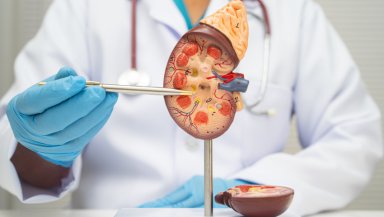
The kidneys perform essential tasks every day. They filter waste, balance fluids, control blood pressure, and support overall health. Many people live normal lives with one kidney, but losing kidney tissue does reduce the body’s reserve.
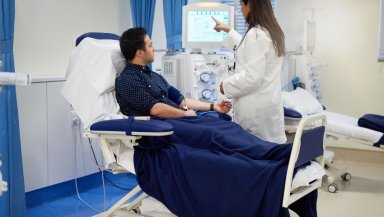
When kidney function decreases over time, it can lead to chronic kidney disease. This increases the risk of heart problems, fatigue, swelling, and the need for dialysis in severe cases. For this reason, modern kidney surgery focuses not just on removing disease, but also on protecting as much healthy kidney tissue as possible.
Understanding Partial vs Total Kidney Removal
Total kidney removal, also called radical nephrectomy, means the entire kidney is taken out. This may be necessary when the tumor is large, aggressive, or spread across most of the kidney.
Partial nephrectomy means only the diseased part of the kidney is removed. The remaining healthy tissue continues to function. This approach is preferred whenever it is safe to do so, especially in younger patients or those with existing kidney problems, and when comparing outcomes of robotic vs open kidney surgery.
Robotic technology has made partial nephrectomy safer and more widely possible.
What Is Robotic Partial Nephrectomy
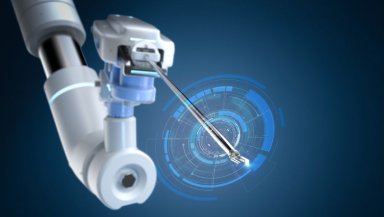
Robotic partial nephrectomy is a minimally invasive surgery performed using a robotic system controlled by a surgeon. Small cuts are made, and robotic instruments are used to remove the tumor precisely.
The surgeon views the kidney through a magnified three-dimensional camera. This allows clear identification of the tumor, blood vessels, and healthy tissue. The robot’s instruments can move with great flexibility, allowing delicate and accurate work.
Why Partial Nephrectomy Is Technically Challenging
Removing only part of the kidney is more complex than removing the entire organ. The surgeon must carefully cut out the tumor while protecting blood vessels and the urine-collecting system.
The kidney also bleeds easily, so controlling blood flow during surgery is critical. After the tumor is removed, the kidney must be repaired precisely to prevent urine leakage and bleeding, which are recognized risks of robotic kidney surgery when not managed carefully.
Robotic systems help surgeons manage these challenges with better control and vision.
How Robotic Surgery Improves Precision
Robotic instruments can move in ways that human hands cannot. They rotate smoothly and allow very fine movements. This helps surgeons cut exactly where needed without damaging surrounding tissue.
The magnified view allows surgeons to clearly see the boundary between the tumor and healthy kidney tissue. This makes it easier to remove the tumor completely while preserving maximum kidney function.
Protecting Blood Supply During Surgery
During partial nephrectomy, blood flow to the kidney is often temporarily reduced to prevent bleeding. The goal is to keep this time as short as possible to protect kidney tissue.
Robotic surgery allows surgeons to work efficiently and accurately, reducing the time the kidney is without blood supply. Shorter interruption means better preservation of kidney function after surgery.
Repairing the Kidney After Tumor Removal
Once the tumor is removed, the kidney must be repaired carefully. This includes closing the urine-collecting system and securing blood vessels.
Robotic systems allow precise stitching, which helps prevent complications like urine leakage or bleeding. A well-repaired kidney heals better and functions more effectively long term.
Long-Term Benefits of Preserving Kidney Tissue
Preserving kidney tissue reduces the risk of chronic kidney disease later in life. This is especially important for patients with diabetes, high blood pressure, or family history of kidney disease.
Patients who keep more kidney function often have better energy levels, fewer health complications, and lower risk of needing dialysis in the future.
Even when one kidney functions well, having additional kidney reserve provides long-term protection.
Partial Nephrectomy and Kidney Cancer Outcomes
Many patients worry that removing only part of the kidney may leave cancer behind. Studies have shown that for appropriately selected tumors, partial nephrectomy is just as effective as total kidney removal in controlling cancer.
The key is careful patient selection and surgical precision. Robotic surgery helps achieve clear margins while preserving healthy tissue.
Cancer control and kidney preservation go hand in hand when done correctly.
Who Benefits Most from Robotic Partial Nephrectomy
Patients with small to medium-sized kidney tumors often benefit the most. Those with tumors detected early are ideal candidates.
Patients with a single kidney, reduced kidney function, or risk factors for kidney disease also benefit greatly from kidney-sparing surgery.
The final decision depends on tumor location, size, patient health, and surgeon expertise.
Recovery and Kidney Function After Surgery
After robotic partial nephrectomy, kidney function is closely monitored using blood tests. Most patients experience a small temporary change that improves over time.
Because only part of the kidney is removed, overall kidney function is better preserved compared to total kidney removal. Recovery is usually faster, aligning with expected robotic kidney surgery recovery time, with less pain and shorter hospital stay.
Addressing Patient Fears and Concerns
Many patients fear that preserving the kidney might increase risk. In reality, preserving healthy tissue is often safer in the long term.
Clear explanation from doctors helps patients understand that robotic partial nephrectomy balances cancer treatment with organ protection.
Trust and understanding play a major role in patient comfort and confidence.
Conclusion
Robotic partial nephrectomy represents a shift in kidney surgery from removal to preservation. By combining advanced technology with surgical skill, doctors can treat disease while protecting kidney function.
For many patients, this approach offers the best balance between effective treatment and long-term health.
If you have been diagnosed with a kidney tumor, ask your urologist whether robotic partial nephrectomy is an option for you. Understanding kidney-sparing approaches early can have lasting benefits for your health.